How to Use Baking Soda in Your Skincare Routine: Benefits, Risks, and Tips
Baking soda is a common household ingredient found in many kitchens, but some people also use it as part of their skincare routine. From homemade face masks to natural exfoliating treatments, baking soda has gained popularity online as a simple and inexpensive beauty remedy.
However, while baking soda may offer certain cosmetic benefits, it is not suitable for every skin type. Because it can affect the skin’s natural balance, using it incorrectly may lead to dryness, irritation, or sensitivity.
Before adding baking soda to your skincare routine, it is important to understand how it works, what benefits it may provide, potential risks, and safer ways to use it.
What Is Baking Soda?
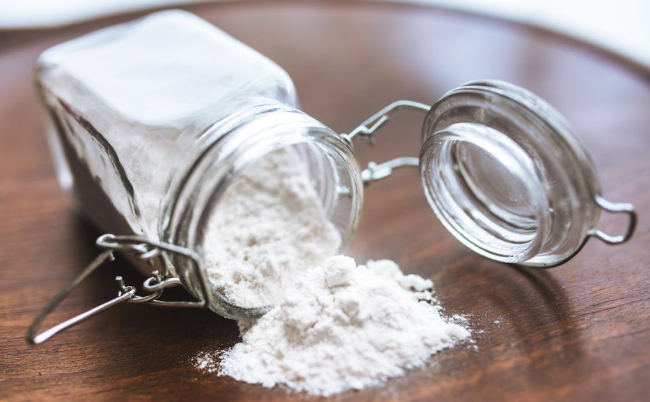
Baking soda, also known as sodium bicarbonate, is a fine white powder commonly used in cooking, cleaning, and personal care products.
It has several properties that make it appealing for skincare:
- Mild abrasive texture
- Ability to absorb oils
- Alkaline nature
- Odor-neutralizing properties
These characteristics have led some people to use baking soda for issues such as oily skin, clogged pores, and body odor.
However, the skin has a naturally slightly acidic surface known as the acid mantle, which helps protect against bacteria, moisture loss, and environmental damage. Because baking soda is alkaline, frequent use may interfere with this protective barrier.
Potential Benefits of Baking Soda for Skin
Although baking soda is not a medically proven treatment for most skin conditions, some people use it for cosmetic purposes. Here are some possible benefits.
1. May Help Remove Excess Oil
Baking soda can absorb oil from the skin’s surface, which is why some people use it in homemade treatments for oily skin.
When used occasionally, it may help create a temporary feeling of:
- Cleaner skin
- Reduced shine
- A smoother appearance
However, removing too much natural oil can sometimes cause the skin to produce more oil in response, especially if the skin barrier becomes irritated.
2. May Provide Gentle Physical Exfoliation
The fine texture of baking soda can act as a physical exfoliant by helping remove dead skin cells from the surface.
Exfoliation may temporarily improve:
- Skin smoothness
- Dull appearance
- Rough texture
However, baking soda particles are not specifically designed for facial exfoliation. Scrubbing too hard or using it too often may cause tiny abrasions and irritation.
3. May Help Neutralize Odors
Because baking soda can absorb odors, it is sometimes used in natural deodorizing products.
Some people apply diluted baking soda to areas such as:
- Feet
- Underarms
- Other external skin areas
However, sensitive skin may react negatively, so testing a small area first is recommended.
4. May Temporarily Soothe Minor Skin Discomfort
Some people use diluted baking soda solutions for temporary relief from minor itching or irritation.
While baking soda baths are sometimes used as a home remedy for certain types of skin discomfort, persistent itching, rashes, or inflammation should be evaluated by a healthcare professional.
Potential Risks of Using Baking Soda on Skin
Despite its popularity, baking soda is not automatically a safe skincare ingredient for everyone.
Here are some potential concerns.
1. It May Disrupt Your Skin Barrier
Healthy skin has a natural pH balance that helps maintain hydration and protection.
Because baking soda is alkaline, frequent application may:
- Increase dryness
- Cause irritation
- Make skin more sensitive
- Disrupt the protective barrier
A damaged skin barrier may make it easier for irritants and bacteria to affect the skin.
2. It Can Cause Dryness and Redness
People with sensitive or dry skin may be more likely to experience problems after using baking soda.
Possible reactions include:
- Burning sensation
- Tightness
- Flaking
- Red patches
- Increased sensitivity
If you notice discomfort after using baking soda, discontinue use and allow your skin time to recover.
3. It May Worsen Certain Skin Conditions
People with conditions such as:
- Eczema
- Rosacea
- Very sensitive skin
- Compromised skin barriers
may find baking soda irritating.
Skin conditions often require targeted treatments, and harsh DIY remedies may make symptoms worse.
4. It May Be Too Abrasive for Facial Skin
Facial skin is delicate, especially around areas such as:
- Under the eyes
- Around the mouth
- Cheeks
Aggressive scrubbing with baking soda can lead to irritation and inflammation.
How to Use Baking Soda More Safely
If you choose to try baking soda as part of your skincare routine, use caution.
1. Perform a Patch Test First
Before applying baking soda to a larger area:
- Mix a small amount with water.
- Apply it to a small area of skin.
- Wait 24 hours.
- Check for redness, itching, burning, or irritation.
If a reaction occurs, avoid using it.
2. Avoid Using It Daily
Baking soda should not replace your regular cleanser or exfoliant.
Frequent use may increase the risk of irritation. Occasional use is generally less likely to cause problems than daily application.
3. Avoid Harsh Scrubbing
If using baking soda as an exfoliant:
- Apply gentle pressure.
- Avoid rubbing aggressively.
- Rinse thoroughly.
- Follow with a moisturizer.
The goal should be gentle care, not intense scrubbing.
4. Moisturize After Use
Because baking soda may dry the skin, applying a moisturizer afterward can help support hydration.
Look for ingredients such as:
- Ceramides
- Hyaluronic acid
- Glycerin
- Aloe vera
These ingredients can help maintain moisture and support the skin barrier.
Better Alternatives to Baking Soda for Skincare
Many skincare concerns have safer, more researched options.
For Exfoliation
Consider:
- Lactic acid
- Glycolic acid
- Salicylic acid
- Gentle exfoliating products designed for your skin type
These ingredients are formulated specifically for skincare use.
For Oily Skin
Helpful ingredients may include:
- Niacinamide
- Salicylic acid
- Clay masks
- Lightweight moisturizers
These options may help manage oil without damaging the skin barrier.
For Sensitive Skin
Look for:
- Fragrance-free products
- Gentle cleansers
- Barrier-supporting moisturizers
- Products labeled for sensitive skin
Common Baking Soda Skincare Mistakes to Avoid
Many skincare problems occur because baking soda is used incorrectly.
Avoid these mistakes:
Using It as a Daily Face Wash
Daily use may cause dryness and irritation.
Mixing It With Strong Ingredients
Avoid combining baking soda with potentially irritating ingredients such as:
- Lemon juice
- Strong acids
- Harsh scrubs
Applying It to Broken Skin
Do not apply baking soda to cuts, wounds, or severely irritated areas.
Expecting It to Cure Acne
Baking soda is not a proven acne treatment. Persistent acne often requires ingredients specifically designed to target clogged pores and inflammation.
Frequently Asked Questions
Is baking soda safe for your face?
Baking soda may be irritating for some people, especially those with sensitive or dry skin. If used, it should be done cautiously and infrequently.
Can baking soda remove acne?
There is not enough scientific evidence to support baking soda as an effective acne treatment. It may irritate the skin and potentially worsen breakouts in some individuals.
How often can I use baking soda on my skin?
There is no standard recommendation because baking soda is not a regulated skincare treatment. Many dermatologists advise avoiding frequent use because of possible irritation.
Does baking soda lighten dark spots?
Baking soda is not proven to fade dark spots. Sun protection and ingredients such as vitamin C, retinoids, or dermatologist-recommended treatments are generally better-supported options.
Final Thoughts
Baking soda is a versatile household ingredient, but that does not mean it is always the best choice for skincare. While it may temporarily reduce oil, provide mild exfoliation, or help neutralize odors, its alkaline nature can disturb the skin’s natural balance and cause irritation when used improperly.
If you decide to include baking soda in your routine, use it sparingly, perform a patch test, avoid harsh scrubbing, and stop if irritation occurs. For long-term skin health, gentle cleansing, daily moisturizing, sun protection, and scientifically supported skincare ingredients are usually safer and more effective choices.
Healthy skin is built through consistency and proper care—not necessarily through the strongest or most unusual ingredients.
