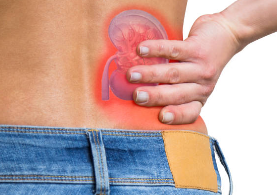
10 Early Warning Signs of Kidney Problems You Should Know
Your kidneys play a vital role in keeping your body healthy. These two small, bean-shaped organs filter waste from your blood, balance fluids, regulate blood pressure, support red blood cell production, and help maintain healthy levels of important minerals.
Because the kidneys perform so many essential functions, problems affecting them can have a significant impact on your overall health. The challenge is that kidney disease often develops slowly, and early symptoms may be subtle or easy to overlook.
Recognizing the warning signs of kidney problems can help you seek medical advice sooner, when treatment may be more effective. In this article, we’ll explore ten possible early signs of kidney issues and explain when you should consider speaking with a healthcare professional.
Why Kidney Health Matters
Healthy kidneys remove waste products and extra fluid from the bloodstream through urine. They also help regulate:
- Blood pressure
- Electrolyte balance
- Bone health
- Hormone production
- Red blood cell formation
When kidney function declines, waste and fluid can build up in the body. Over time, untreated kidney problems may lead to complications that affect many areas of health.
Common causes of kidney problems include:
- Diabetes
- High blood pressure
- Kidney infections
- Kidney stones
- Certain medications
- Autoimmune conditions
- Family history of kidney disease
10 Early Warning Signs of Kidney Problems
1. Changes in Urination
One of the earliest signs of possible kidney problems is a noticeable change in your normal urination pattern.
Pay attention to symptoms such as:
- Urinating more often, especially at night
- Producing much less urine than usual
- A sudden increase in urgency
- Difficulty starting urination
- Changes in urine appearance
Healthy kidneys help regulate urine production, so changes may indicate that they are not functioning properly.
However, changes in urination can also occur due to other conditions, so persistent symptoms should be checked by a healthcare professional.
2. Foamy or Bubbly Urine
Occasionally seeing bubbles in urine is normal, but persistent foamy urine may be a warning sign.
Excessive foam can sometimes indicate the presence of protein in the urine, a condition known as proteinuria.
Healthy kidneys usually prevent large amounts of protein from passing into urine. When kidney filters become damaged, protein may leak through.
If you frequently notice unusually foamy urine, it is worth discussing with a doctor.
3. Blood in the Urine
Blood in urine, known medically as hematuria, can sometimes be linked to kidney problems.
Possible causes include:
- Kidney stones
- Urinary tract infections
- Kidney inflammation
- Other urinary system conditions
Urine containing blood may appear:
- Pink
- Red
- Brownish
Even if the amount of blood is small or the symptom appears only once, medical evaluation is recommended to determine the cause.
4. Swelling in the Feet, Ankles, or Hands
The kidneys help remove excess fluid from the body. When kidney function declines, extra fluid may accumulate.
This can lead to swelling, especially in:
- Feet
- Ankles
- Legs
- Hands
- Around the eyes
Swelling may also occur due to heart problems, medication effects, or other health conditions, so a proper evaluation is important.
5. Persistent Fatigue and Low Energy
Feeling unusually tired can be associated with many health issues, including kidney problems.
When kidneys are not working properly, waste products may build up in the bloodstream. Reduced kidney function can also affect the production of erythropoietin, a hormone involved in making red blood cells.
Possible symptoms include:
- Constant tiredness
- Difficulty concentrating
- Reduced stamina
- Feeling weak despite adequate rest
If fatigue continues without an obvious cause, it may be worth discussing with a healthcare provider.
6. Back or Side Pain
Pain near the kidneys may occur with certain kidney conditions.
Possible signs include:
- Pain in the side or lower back
- Discomfort below the ribs
- Pain that comes and goes
Kidney stones and infections can cause significant discomfort, although many kidney diseases do not cause pain in early stages.
Sudden severe pain, especially with fever or urinary changes, requires prompt medical attention.
7. Dry and Itchy Skin
Kidneys help maintain the proper balance of minerals and nutrients in the blood.
When kidney function declines, imbalances may contribute to:
- Dry skin
- Persistent itching
- Skin irritation
While dry skin is common and often caused by environmental factors, ongoing itching without an obvious explanation may require further evaluation.
8. Nausea, Loss of Appetite, or Stomach Problems
As kidney function worsens, waste products may accumulate in the bloodstream and affect digestion.
Possible symptoms include:
- Nausea
- Vomiting
- Reduced appetite
- Metallic taste in the mouth
- Unexplained weight loss
These symptoms can have many causes, but when combined with other kidney-related warning signs, they should not be ignored.
9. High Blood Pressure
The kidneys and blood pressure are closely connected.
Kidney problems can contribute to high blood pressure because the kidneys help regulate fluid balance and hormones involved in blood pressure control.
At the same time, long-term high blood pressure can damage kidney blood vessels and increase the risk of kidney disease.
Regular blood pressure checks are an important part of protecting kidney health.
10. Trouble Sleeping or Muscle Cramps
Kidney problems may contribute to sleep difficulties and muscle discomfort.
Some people experience:
- Trouble falling asleep
- Restless legs
- Muscle cramps
- Twitching
- Discomfort at night
Changes in mineral balance and waste buildup may contribute to these symptoms.
Who Has a Higher Risk of Kidney Problems?
Certain factors increase the likelihood of developing kidney disease.
You may have a higher risk if you:
- Have diabetes
- Have high blood pressure
- Have heart disease
- Are overweight or obese
- Smoke
- Have a family history of kidney disease
- Are older
- Frequently use certain pain medications
People with risk factors should discuss appropriate kidney screening with their healthcare provider.
7 Ways to Protect Your Kidney Health
1. Keep Blood Pressure Under Control
High blood pressure is one of the leading causes of kidney damage.
Helpful habits include:
- Monitoring blood pressure regularly
- Reducing excess sodium
- Exercising regularly
- Taking prescribed medications as directed
2. Manage Blood Sugar Levels
Diabetes is a major risk factor for kidney disease.
Maintaining healthy blood sugar levels through diet, activity, and medical care can help protect kidney function.
3. Drink Enough Water
Adequate hydration helps the kidneys remove waste from the body.
However, people with certain kidney or heart conditions may need specific fluid recommendations from their healthcare provider.
4. Eat a Balanced Diet
A kidney-friendly eating pattern generally emphasizes:
- Fruits and vegetables
- Whole grains
- Lean proteins
- Healthy fats
Limiting excessive salt and highly processed foods can also support kidney health.
5. Avoid Smoking
Smoking damages blood vessels and can reduce blood flow to the kidneys.
Quitting smoking benefits kidney health as well as overall cardiovascular health.
6. Use Medications Carefully
Some medications, especially when used frequently or incorrectly, may affect kidney function.
Always follow dosage instructions and ask a healthcare professional before regularly using pain relievers or supplements.
7. Get Regular Health Checkups
Simple tests can help identify kidney problems early.
Doctors may use:
- Blood tests to measure kidney function
- Urine tests to check for protein or blood
- Blood pressure measurements
Early detection can allow lifestyle changes and treatments that may help slow kidney damage.
When Should You See a Doctor?
Seek medical advice if you experience:
- Blood in your urine
- Persistent swelling
- Major changes in urination
- Ongoing fatigue with no clear cause
- Severe side or back pain
- Persistent nausea
- Unexplained weight changes
Emergency care may be needed for severe symptoms such as intense pain, confusion, difficulty breathing, or sudden changes in urine output.
Frequently Asked Questions
Can kidney disease be reversed?
Some kidney problems may improve with treatment, especially when caused by temporary issues. However, chronic kidney disease often cannot be completely reversed and is usually managed by slowing its progression.
How can I check if my kidneys are healthy?
A healthcare professional can assess kidney health through blood tests, urine tests, and blood pressure measurements.
Can kidney problems happen without symptoms?
Yes. Early kidney disease may not cause noticeable symptoms, which is why regular screening is important for people at higher risk.
What foods are good for kidney health?
A balanced diet with vegetables, fruits, whole grains, and appropriate protein intake can support overall kidney health. Dietary needs may vary for people with kidney disease.
Final Thoughts
Your kidneys work continuously to keep your body balanced, but early kidney problems can sometimes develop quietly. Paying attention to warning signs such as changes in urination, swelling, fatigue, foamy urine, and persistent itching can help you recognize potential issues sooner.
Maintaining healthy blood pressure, managing blood sugar, eating a balanced diet, staying active, and getting regular medical checkups are important steps for protecting kidney function.
If you notice symptoms that concern you, speak with a healthcare professional. Early awareness and timely care can make a meaningful difference in maintaining long-term kidney health.
