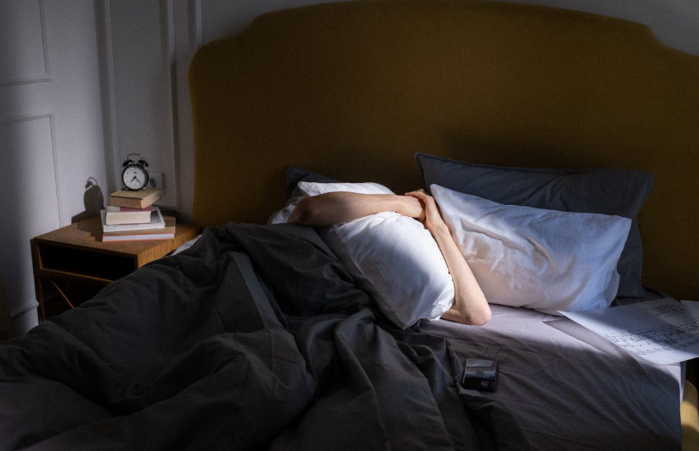
Always Sleep on Your Right Side? Here’s What You Should Know
Sleep position may seem like a simple personal preference, but the way you sleep can influence comfort, breathing, digestion, and certain health conditions. Many people naturally settle into the same position every night—some sleep on their back, others on their stomach, while many prefer sleeping on their side.
If you always sleep on your right side, you may wonder whether this habit is beneficial, harmful, or something you should change.
The truth is that sleeping on your right side is generally safe for most healthy people. However, research suggests that side-sleeping can have different effects depending on your individual health, body needs, and medical conditions.
This article explores the potential benefits and drawbacks of sleeping on your right side and explains what experts recommend.
Why Sleep Position Matters
During sleep, your body continues to perform essential functions, including:
- Regulating breathing
- Supporting circulation
- Repairing tissues
- Processing memories
- Maintaining hormone balance
Your sleeping position can affect how your muscles, joints, organs, and airways are positioned.
The three most common sleep positions are:
- Side sleeping
- Back sleeping
- Stomach sleeping
Among these, side sleeping is often considered a comfortable and healthy choice for many people.
Is Sleeping on Your Right Side Healthy?
For most people, sleeping on the right side is not harmful.
Many individuals sleep comfortably this way for years without experiencing problems. The body is designed to adapt to different sleeping positions, and there is no universal rule that everyone must sleep on a specific side.
However, certain health conditions may influence which position feels best.
Potential Benefits of Sleeping on Your Right Side
1. May Improve Comfort and Reduce Back Pressure
Side sleeping can help some people maintain a more natural spinal position compared with stomach sleeping.
Using proper support, such as:
- A pillow that keeps the neck aligned
- A pillow between the knees
- A supportive mattress
may reduce pressure on the lower back and hips.
However, sleeping posture matters more than simply choosing the right or left side.
2. May Reduce Snoring for Some People
Sleeping on your side may help keep the airway more open compared with sleeping flat on your back.
Back sleeping can allow the tongue and soft tissues in the throat to move backward, which may contribute to snoring.
Side sleeping—including right-side sleeping—may reduce snoring for some individuals.
However, frequent or severe snoring can be a sign of sleep apnea, a condition that requires medical attention.
3. May Support Breathing During Sleep
Side sleeping is often recommended for people who experience breathing difficulties while sleeping because it can help reduce airway obstruction.
For individuals with obstructive sleep apnea, positional changes may sometimes improve symptoms, although medical treatment may still be necessary.
Possible Drawbacks of Sleeping on Your Right Side
While right-side sleeping is generally safe, it may not be ideal for everyone.
1. It May Worsen Acid Reflux in Some People
Some research suggests that sleeping on the right side may increase acid reflux symptoms in certain individuals.
When lying on the right side, the position of the stomach may make it easier for stomach acid to move toward the esophagus.
Symptoms may include:
- Heartburn
- A burning feeling in the chest
- Sour taste in the mouth
- Nighttime coughing
- Trouble sleeping
For people with frequent acid reflux, sleeping on the left side is often recommended because it may reduce acid exposure in the esophagus.
2. Shoulder or Hip Pressure
Sleeping on one side every night can place repeated pressure on the same:
- Shoulder
- Hip
- Arm
- Side of the face
Over time, some people may experience:
- Shoulder discomfort
- Hip soreness
- Arm numbness
- Stiffness
Changing positions occasionally or using supportive pillows may help.
3. Facial Skin Pressure
Side sleeping places one side of the face against a pillow for several hours.
This may contribute to:
- Temporary sleep lines
- Skin irritation
- Increased pressure on certain areas
While side sleeping does not directly cause permanent wrinkles by itself, repeated pressure and friction may influence skin appearance over time.
Right Side Sleeping During Pregnancy
Pregnancy changes the way the body handles circulation and pressure.
Many pregnant individuals find side sleeping more comfortable, especially later in pregnancy.
Healthcare professionals often recommend side sleeping during pregnancy because it may support better blood flow and comfort.
If you are pregnant and have concerns about sleep position, discuss them with your healthcare provider for personalized guidance.
Right Side Sleeping and Heart Health
There is ongoing research into how sleep position may influence heart function, but there is no simple rule that right-side sleeping is harmful for everyone with heart disease.
Some people with certain heart conditions may feel more comfortable in one position than another.
If a specific sleeping position causes:
- Shortness of breath
- Chest discomfort
- Dizziness
- Increased symptoms
you should seek medical advice.
Does Sleeping on Your Right Side Affect Digestion?
Your sleep position can influence digestive comfort.
Some people report changes in:
- Heartburn symptoms
- Bloating
- Abdominal discomfort
The effect varies from person to person.
If you notice digestive symptoms at night, adjusting your sleep position, meal timing, and evening habits may help.
Right Side vs. Left Side Sleeping: Which Is Better?
There is no single “perfect” sleeping side for everyone.
Left-Side Sleeping
May be helpful for:
- Some people with acid reflux
- Certain pregnancy-related comfort needs
Right-Side Sleeping
May be comfortable for:
- Many healthy sleepers
- People who naturally prefer this position
Back Sleeping
May support:
- Neutral spinal alignment
But may worsen:
- Snoring
- Sleep apnea symptoms in some people
Stomach Sleeping
May increase:
- Neck strain
- Back discomfort
The best position is usually the one that allows comfortable, uninterrupted sleep while supporting your health needs.
Tips for Healthier Side Sleeping
If you prefer sleeping on your right side, these tips may improve comfort:
Use the Right Pillow Height
Your pillow should keep your head and neck aligned with your spine.
Place a Pillow Between Your Knees
This can help keep your hips aligned and reduce lower back strain.
Avoid Sleeping With Your Arm Under Your Head
This may place pressure on nerves and blood vessels, causing numbness or discomfort.
Maintain a Comfortable Mattress
A mattress that is too soft or too firm may increase pressure on the shoulders and hips.
Change Positions When Needed
You do not need to force yourself to stay on one side all night. Natural movement during sleep is normal.
When Should You Talk to a Doctor About Your Sleep Position?
Consider medical advice if you experience:
- Loud, frequent snoring
- Breathing pauses during sleep
- Waking up gasping for air
- Persistent daytime fatigue
- Nighttime chest discomfort
- Severe acid reflux
- Pain that worsens during sleep
These symptoms may indicate an underlying condition rather than simply a sleep-position issue.
Frequently Asked Questions
Is sleeping on your right side bad for your heart?
For most healthy people, sleeping on the right side is not considered harmful. People with specific heart conditions should follow advice from their healthcare provider.
Is left-side sleeping better than right-side sleeping?
Not always. Left-side sleeping may benefit some people with reflux, but right-side sleeping is comfortable and safe for many others.
Can sleeping on one side cause health problems?
Sleeping in one position may contribute to pressure-related discomfort, but it usually does not cause serious health problems in healthy individuals.
What is the healthiest sleeping position?
The healthiest position depends on your body and medical needs. Side sleeping is often considered a good option for many people, especially when proper pillow support is used.
Final Thoughts
Always sleeping on your right side is usually not something to worry about. For many people, it is simply the position that feels most comfortable and allows restful sleep.
However, your sleeping position can affect certain issues, including acid reflux, snoring, joint pressure, and comfort during pregnancy. If you experience symptoms such as breathing problems, severe reflux, or ongoing pain, your sleep position may be worth discussing with a healthcare professional.
The most important goal is not choosing a “perfect” side—it is getting consistent, high-quality sleep that supports your overall health.
