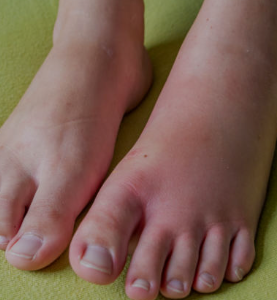
Swollen Legs? Here’s What It Could Mean
Swollen legs are a common health concern that can happen to people of all ages. Sometimes, leg swelling is temporary and harmless, caused by standing for too long, a salty meal, or a long journey. In other cases, swollen legs may be a sign of an underlying health problem that requires medical attention.
The medical term for swelling caused by fluid buildup is edema. It occurs when extra fluid collects in the tissues of the body, often affecting the feet, ankles, and lower legs.
Understanding the possible causes of swollen legs can help you recognize when it is normal and when you should seek professional medical advice.
What Causes Leg Swelling?
Leg swelling can happen when fluid builds up because of changes in circulation, inflammation, injury, or problems affecting organs such as the heart, kidneys, or liver.
Common causes include:
- Standing or sitting for long periods
- Injury or inflammation
- Vein problems
- Medication side effects
- Hormonal changes
- Heart, kidney, or liver conditions
- Blood clots
The cause often depends on whether swelling affects one leg or both legs, how quickly it develops, and what other symptoms occur.
1. Sitting or Standing for Too Long
One of the most common and least serious causes of swollen legs is staying in one position for an extended period.
When you sit or stand for many hours:
- Blood flow from the legs back to the heart may slow down
- Gravity causes fluid to collect in the lower legs
- The ankles and feet may appear puffy
This is common after:
- Long flights
- Road trips
- Desk work
- Jobs requiring prolonged standing
Simple movements such as walking, stretching, and elevating your legs often help reduce this type of swelling.
2. Excess Salt Intake and Fluid Retention
Eating too much sodium can cause the body to hold onto extra water.
High-salt foods include:
- Processed meats
- Packaged snacks
- Fast food
- Instant meals
- Certain canned foods
Fluid retention may cause swelling in:
- Feet
- Ankles
- Legs
- Hands
Reducing sodium intake and maintaining proper hydration may help manage mild swelling.
3. Chronic Venous Insufficiency
A common cause of long-term leg swelling is chronic venous insufficiency, a condition where the veins have difficulty returning blood to the heart.
Normally, valves inside leg veins help blood move upward. If these valves become weak or damaged, blood can pool in the legs.
Symptoms may include:
- Swollen ankles
- Aching or heavy legs
- Varicose veins
- Skin discoloration
- Itching
- Leg discomfort that worsens after standing
Treatment may include lifestyle changes, compression therapy, or medical procedures depending on severity.
4. Varicose Veins
Varicose veins are enlarged, twisted veins that often appear on the legs.
They occur when blood pressure increases inside veins, causing them to stretch.
Possible symptoms include:
- Visible bulging veins
- Leg swelling
- Aching sensations
- Burning or throbbing feelings
- Tiredness in the legs
Although varicose veins are often not dangerous, they can sometimes lead to complications and should be evaluated if symptoms worsen.
5. Leg Injury or Inflammation
Swelling can develop after damage to tissues.
Common causes include:
- Sprains
- Muscle strains
- Fractures
- Bruises
- Tendon injuries
In these cases, swelling is usually limited to the injured area and may occur with:
- Pain
- Tenderness
- Warmth
- Reduced movement
Rest, appropriate care, and medical evaluation when needed can support recovery.
6. Deep Vein Thrombosis (Blood Clot)
A swollen leg can sometimes be a sign of a deep vein thrombosis (DVT), which is a blood clot in a deep vein, usually in the leg.
DVT may cause:
- Swelling in one leg
- Pain or tenderness
- Warm skin
- Redness or discoloration
- A feeling of heaviness
A blood clot can become dangerous if it travels to the lungs and causes a pulmonary embolism.
Seek urgent medical attention if leg swelling occurs suddenly, especially with:
- Chest pain
- Shortness of breath
- Coughing up blood
- Rapid heartbeat
7. Heart-Related Conditions
Certain heart conditions can contribute to swelling in the legs.
When the heart cannot pump blood efficiently, fluid may build up in the body, often affecting the lower legs and feet.
Possible signs include:
- Swelling in both legs
- Shortness of breath
- Fatigue
- Difficulty breathing when lying down
- Rapid weight gain from fluid buildup
People with known heart problems should discuss new or worsening swelling with their healthcare provider.
8. Kidney Problems
The kidneys help control fluid balance in the body. When kidney function is impaired, extra fluid and waste products may accumulate.
Signs that may occur with kidney-related swelling include:
- Swollen feet, ankles, or legs
- Puffiness around the eyes
- Changes in urination
- Fatigue
- High blood pressure
Kidney-related swelling requires medical evaluation.
9. Liver Disease
The liver produces proteins that help maintain fluid balance in the bloodstream. Certain liver conditions can reduce these proteins, allowing fluid to move into tissues.
Symptoms may include:
- Leg swelling
- Abdominal swelling
- Yellowing of the skin or eyes
- Easy bruising
- Fatigue
10. Medication Side Effects
Some medications can cause fluid retention and leg swelling.
Examples may include:
- Certain blood pressure medications
- Some diabetes medications
- Steroids
- Hormone treatments
- Anti-inflammatory medicines
If swelling begins after starting a new medication, speak with a healthcare professional before making any changes.
Swollen Legs During Pregnancy
Leg swelling is common during pregnancy because:
- The body holds more fluid
- The growing uterus puts pressure on veins
- Blood circulation changes
Mild swelling in the feet and ankles is often normal, especially later in pregnancy.
However, sudden or severe swelling—particularly with headaches, vision changes, or high blood pressure—requires medical attention.
When Should You Worry About Swollen Legs?
Not all swelling is dangerous, but certain warning signs should not be ignored.
Seek medical advice if you have:
- Sudden swelling in one leg
- Severe pain
- Redness or warmth
- Shortness of breath
- Chest pain
- Rapidly increasing swelling
- Skin sores or color changes
- Swelling that does not improve with rest
Simple Ways to Reduce Mild Leg Swelling
If your swelling is caused by temporary fluid buildup, these steps may help:
Elevate Your Legs
Raise your legs above heart level for short periods to encourage fluid movement.
Stay Active
Walking and regular movement help improve circulation.
Avoid Sitting for Long Periods
Take breaks to stretch and move if you sit for extended periods.
Reduce Excess Sodium
Limiting highly processed and salty foods may reduce water retention.
Stay Hydrated
Drinking enough water supports healthy fluid balance.
Wear Comfortable Footwear
Tight shoes can restrict circulation and worsen discomfort.
How Doctors Diagnose the Cause of Leg Swelling
A healthcare professional may consider:
- Medical history
- Physical examination
- Blood tests
- Urine tests
- Ultrasound imaging
- Heart or kidney evaluations
The goal is to identify whether swelling is related to circulation, inflammation, medication, or another health condition.
Frequently Asked Questions
Are swollen legs always a sign of a serious problem?
No. Mild swelling after prolonged sitting, standing, travel, or salty meals is common. Persistent or sudden swelling may require evaluation.
Why is one leg swollen but not the other?
Swelling in only one leg may occur due to injury, vein problems, or a blood clot and should be checked, especially if it develops suddenly.
Can drinking more water reduce leg swelling?
In some cases, staying hydrated supports healthy fluid balance. However, swelling caused by heart, kidney, or circulation problems requires medical evaluation.
Does walking help swollen legs?
Yes. Gentle movement can improve circulation and reduce fluid buildup caused by inactivity.
Final Thoughts
Swollen legs can result from something as simple as sitting too long or eating too much salt, but they can also signal conditions involving the veins, heart, kidneys, or other parts of the body.
Pay attention to the pattern of swelling: whether it affects one or both legs, whether it appears suddenly, and whether other symptoms occur. Persistent, painful, or sudden swelling should not be ignored.
If you are concerned about unexplained leg swelling, consult a healthcare professional for an accurate diagnosis and appropriate treatment.
