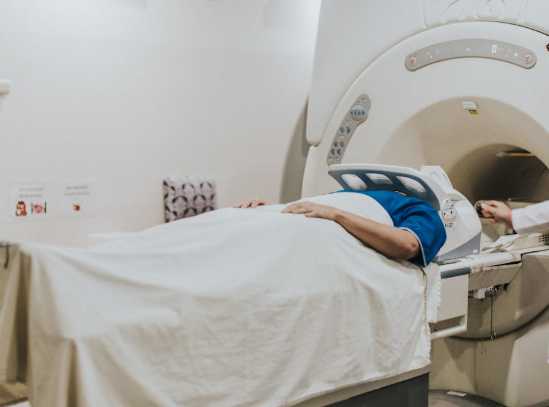
New Advances in Colon Cancer Screening: Could the Future Be Less Invasive?
Colon cancer is one of the most common cancers worldwide, but it is also one of the cancers where early detection can make a major difference. Screening can identify cancer at an earlier stage and can also detect precancerous polyps—abnormal growths that may develop into cancer over time.
For decades, colonoscopy has been considered the gold standard for colorectal cancer screening because it allows doctors to directly examine the colon and remove suspicious polyps during the same procedure. However, many people avoid screening because of concerns about preparation, discomfort, cost, or the invasiveness of the procedure.
Now, researchers are exploring new technologies that could make colon cancer screening simpler, more accessible, and less invasive. From advanced stool tests to blood-based screening and artificial intelligence, the future of colorectal cancer detection may look very different.
Why Colon Cancer Screening Matters
Colon cancer often develops slowly over many years. In many cases, it begins as a small polyp in the lining of the colon. These growths may not cause symptoms at first, allowing cancer to develop unnoticed.
Regular screening can help by:
- Finding cancer earlier
- Detecting precancerous polyps
- Reducing the risk of advanced disease
- Improving survival rates
One challenge is that many people who should be screened do not complete recommended tests, making easier screening options an important area of research.
Current Colon Cancer Screening Options
Before looking at new advances, it helps to understand the screening methods currently available.
1. Colonoscopy
A colonoscopy uses a flexible camera to examine the inside of the colon.
Advantages:
- Allows direct visualization of the colon
- Can detect and remove polyps immediately
- Considered one of the most accurate screening methods
Challenges:
- Requires bowel preparation
- May require sedation
- Can feel uncomfortable
- Takes time away from daily activities
Despite these challenges, colonoscopy remains an important tool in colorectal cancer prevention.
2. Stool-Based Tests
Stool tests look for signs of cancer or blood in a stool sample.
Common types include:
Fecal Immunochemical Test (FIT)
Detects hidden blood in stool.
Benefits:
- Non-invasive
- Can be done at home
- Usually requires no bowel preparation
Limitations:
- Needs to be repeated regularly
- May miss some cancers or polyps
Stool DNA Tests
These tests look for genetic changes associated with colorectal cancer, along with blood markers.
Benefits:
- Non-invasive
- Can detect some cancers that do not bleed
Limitations:
- May produce false-positive results
- A positive result usually requires follow-up colonoscopy
Emerging Advances in Colon Cancer Screening
Scientists are developing new methods designed to improve accuracy while reducing discomfort and inconvenience.
1. Blood Tests for Colon Cancer Detection
One of the most promising areas of research is the development of blood-based screening tests, sometimes called liquid biopsy tests.
These tests search for signals released by cancer cells into the bloodstream, such as:
- Tumor DNA fragments
- Genetic changes
- Other biological markers
Potential advantages include:
- Simple blood draw
- No bowel preparation
- Greater convenience
- May encourage more people to participate in screening
However, researchers are still working to improve accuracy, especially for detecting early-stage cancers and precancerous growths.
2. Artificial Intelligence (AI) in Colonoscopy
Artificial intelligence is being used to assist doctors during colonoscopies.
AI systems can analyze images in real time and help identify small polyps that might otherwise be missed.
Potential benefits include:
- Improved polyp detection
- More consistent examination results
- Support for clinicians during procedures
AI does not replace doctors, but it may become an important tool for improving screening accuracy.
3. Advanced Stool Testing
Researchers continue to improve stool-based screening methods by identifying more accurate combinations of:
- DNA markers
- Blood indicators
- Molecular signals
Future stool tests may become better at detecting early cancers while reducing unnecessary follow-up procedures.
Because they are non-invasive, improved stool tests could increase screening participation.
4. Genetic and Molecular Testing
Researchers are studying how genetic changes inside colon cells may reveal cancer risk earlier.
Future screening approaches may analyze:
- DNA mutations
- Epigenetic changes
- Molecular patterns linked to cancer development
This could potentially allow more personalized screening schedules based on an individual’s risk.
5. Imaging and Computer-Assisted Detection
Advances in imaging technology may improve how doctors identify abnormalities in the colon.
Future tools may include:
- More detailed imaging systems
- Computer-assisted analysis
- Improved virtual examination techniques
These technologies aim to make detection more accurate and efficient.
6. Microbiome-Based Screening Research
The gut contains trillions of microorganisms known as the gut microbiome. Scientists are studying whether changes in these bacteria may be linked to colorectal cancer.
Researchers are investigating whether microbiome patterns could eventually help identify people at increased risk.
This field is still developing, and more evidence is needed before microbiome testing becomes a routine screening method.
Could Future Screening Replace Colonoscopy?
Although new technologies are promising, experts do not expect colonoscopy to disappear completely in the near future.
Colonoscopy remains valuable because it can:
- Detect abnormalities directly
- Remove polyps immediately
- Provide a complete examination of the colon
However, future screening may involve a combination of methods, such as:
- Easier initial tests for average-risk individuals
- More targeted colonoscopies for people with abnormal results or higher risk
The goal is not necessarily to eliminate colonoscopy but to make screening more accessible and effective.
Who Should Get Colon Cancer Screening?
Screening recommendations vary depending on:
- Age
- Personal health history
- Family history
- Previous polyps
- Genetic conditions
Many guidelines recommend that adults at average risk begin colorectal cancer screening around age 45, but individual recommendations may differ.
People with higher risk factors may need earlier or more frequent screening.
Risk factors include:
- Family history of colorectal cancer
- Inflammatory bowel disease
- Certain inherited genetic conditions
- Previous colorectal polyps
- Smoking
- Heavy alcohol use
- Diets high in processed meats
Warning Signs of Colon Cancer
Screening is important because colon cancer may not cause symptoms early.
Possible warning signs include:
- Blood in stool
- Changes in bowel habits
- Persistent constipation or diarrhea
- Unexplained weight loss
- Ongoing abdominal discomfort
- Feeling that the bowel does not empty completely
- Unexplained fatigue due to anemia
These symptoms should be evaluated by a healthcare professional.
How to Reduce Colon Cancer Risk
While screening is one of the most effective prevention tools, lifestyle choices also matter.
Eat More Fiber-Rich Foods
Foods such as:
- Vegetables
- Fruits
- Beans
- Whole grains
support digestive health.
Limit Processed Meats
Frequent consumption of processed meats has been associated with increased colorectal cancer risk.
Stay Physically Active
Regular exercise supports overall health and may reduce colorectal cancer risk.
Maintain a Healthy Weight
Excess body weight is associated with a higher risk of several cancers, including colorectal cancer.
Avoid Smoking and Limit Alcohol
Both smoking and heavy alcohol use are linked to increased cancer risk.
Frequently Asked Questions
Will colonoscopy become unnecessary in the future?
Colonoscopy will likely remain an important tool, especially for diagnosis and polyp removal. However, new screening methods may reduce the number of people who need immediate invasive procedures.
Are blood tests for colon cancer available now?
Some blood-based tests are being developed and evaluated, but availability and recommendations vary. They are not yet a universal replacement for established screening methods.
Is a stool test as accurate as a colonoscopy?
Stool tests are convenient and useful, but they generally do not replace colonoscopy. A positive stool test usually requires further evaluation.
What is the easiest colon cancer screening test?
Stool-based tests are among the least invasive options because they can be completed at home. The best test depends on individual risk factors and medical advice.
Final Thoughts
The future of colon cancer screening is moving toward approaches that are less invasive, more convenient, and increasingly personalized. Blood tests, improved stool tests, artificial intelligence, and molecular research may help more people complete screening and detect cancer earlier.
However, current screening methods—especially colonoscopy—remain highly effective tools for preventing colorectal cancer. The most important step is not waiting for symptoms but following recommended screening schedules based on your age, risk factors, and healthcare provider’s guidance.
As research continues, the future of colon cancer detection may become easier, faster, and more comfortable while still saving lives.
