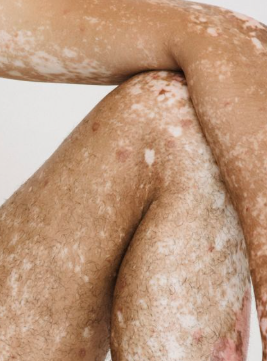
Tiny White Spots on Your Arms or Legs: Possible Causes Explained
Noticing tiny white spots on your arms or legs can be surprising, especially when they appear suddenly or become more noticeable over time. In many cases, these spots are harmless and related to normal changes in skin pigmentation. However, white spots can also develop because of sun exposure, skin conditions, infections, nutritional issues, or immune-related disorders.
Why Do White Spots Appear on the Skin?
Skin color is mainly determined by a pigment called melanin, which is produced by specialized cells called melanocytes. Tiny white spots may appear when:
- The skin produces less melanin
- Melanocytes are damaged or reduced
- Skin cells are affected by inflammation or infection
- The skin heals differently after injury
- Certain conditions alter pigmentation
The appearance of the spots—such as their size, shape, texture, and whether they spread—can provide clues about the possible cause.
1. Sun-Related White Spots (Idiopathic Guttate Hypomelanosis)
One of the most common reasons for small white spots on the arms and legs is idiopathic guttate hypomelanosis (IGH).
These spots are usually:
- Small (often a few millimeters)
- Flat and smooth
- White or lighter than surrounding skin
- More noticeable after sun exposure
Why It Happens
The exact cause is not fully understood, but long-term sun exposure and natural aging are believed to contribute. The spots are common in adults and often appear on areas frequently exposed to sunlight, such as:
- Forearms
- Shins
- Lower legs
Is It Dangerous?
No. IGH is considered harmless and does not usually require treatment. However, sun protection can help prevent additional skin damage.
2. Vitiligo
Vitiligo is a condition where the immune system attacks melanocytes, the cells responsible for producing skin pigment.
The spots are often:
- Bright white
- More noticeable than other pigmentation changes
- Smooth and well-defined
- Sometimes symmetrical
Vitiligo can appear anywhere, including:
- Hands
- Arms
- Legs
- Face
- Around body openings
Other Possible Signs
Some people may notice:
- White patches increasing in size
- Loss of pigment in hair
- Changes around the eyes or mouth
Vitiligo is not contagious, but it can be associated with other autoimmune conditions. A dermatologist can help confirm the diagnosis and discuss treatment options.
3. Tinea Versicolor (Fungal Skin Infection)
Tinea versicolor is a common skin condition caused by an overgrowth of a type of yeast that naturally lives on the skin.
It can cause:
- Light-colored or white patches
- Slight scaling
- Mild itching
- Spots that become more visible after tanning
Although it is often seen on the chest and back, it may sometimes affect the arms or other areas.
Treatment
Antifungal treatments, such as medicated creams, washes, or shampoos, are often used. Even after treatment, skin color may take weeks or months to return to normal.
4. Post-Inflammatory Hypopigmentation
Sometimes the skin becomes lighter after an injury, rash, or inflammation.
Possible triggers include:
- Eczema
- Scratches
- Burns
- Allergic reactions
- Skin infections
- Acne or irritation
The skin may lose some pigment while healing, creating temporary white or lighter patches.
In many cases, the color gradually returns over time.
5. Dry Skin or Scaling Conditions
Dry skin can sometimes make areas appear lighter, especially when the surface becomes flaky.
Conditions that may contribute include:
- Eczema
- Mild dermatitis
- Excessive dryness
- Irritation from skincare products
These spots may improve with:
- Regular moisturizing
- Gentle cleansers
- Avoiding harsh products
If the skin is itchy, inflamed, or cracked, medical advice may be helpful.
6. Pityriasis Alba
Pityriasis alba is a common, harmless skin condition that often affects children and young adults.
It usually appears as:
- Pale patches
- Slightly dry or flaky areas
- Irregular-shaped spots
Common locations include:
- Face
- Arms
- Neck
It is not dangerous and often improves over time with proper skin hydration and sun protection.
7. Nutritional Deficiencies
Certain nutritional problems may affect skin health and appearance.
Low levels of nutrients such as:
- Vitamin B12
- Vitamin D
- Calcium
- Copper
have sometimes been associated with changes in pigmentation.
However, tiny white spots are rarely caused by a simple vitamin deficiency alone. A healthcare professional can recommend testing if there are other symptoms or risk factors.
8. Scarring or Previous Skin Damage
Old injuries can sometimes leave lighter spots after healing.
Examples include:
- Cuts
- Burns
- Insect bites
- Surgical scars
- Severe inflammation
These areas may have fewer active pigment-producing cells, resulting in lighter skin.
9. Certain Autoimmune or Medical Conditions
In some cases, changes in skin pigmentation may be linked with broader health conditions.
Examples include autoimmune disorders that affect pigment cells or other systems of the body.
If white spots appear alongside symptoms such as:
- Unexplained fatigue
- Joint pain
- Hair color changes
- Weight changes
- Other unusual skin changes
a medical evaluation may be appropriate.
How to Tell Different Types of White Spots Apart
While only a professional examination can provide a diagnosis, some general differences may help:
| Condition | Common Appearance | Typical Location |
|---|---|---|
| Idiopathic guttate hypomelanosis | Small, flat white dots | Arms, legs, sun-exposed areas |
| Vitiligo | Larger bright white patches | Anywhere on the body |
| Tinea versicolor | Light patches with possible scaling | Chest, back, arms |
| Pityriasis alba | Pale, slightly dry patches | Face, arms |
| Post-inflammatory changes | Lighter areas after irritation | Previous injury sites |
When Should You See a Dermatologist?
Consider making an appointment if:
- The spots are spreading quickly
- New spots appear frequently
- They become larger or more noticeable
- There is itching, pain, redness, or scaling
- Hair in the affected area turns white
- The spots appear suddenly without explanation
- You are concerned about changes in your skin
A dermatologist can often diagnose the cause through a physical examination. In some cases, additional tests may be recommended.
Ways to Protect Your Skin
Healthy skin habits can help maintain even skin tone and prevent further damage.
Use Sunscreen
Sun protection is especially important because tanning can make lighter spots stand out more.
Helpful habits:
- Use broad-spectrum sunscreen
- Reapply when outdoors for extended periods
- Wear protective clothing when needed
Moisturize Regularly
Keeping skin hydrated may reduce dryness and irritation.
Look for moisturizers containing ingredients such as:
- Ceramides
- Glycerin
- Hyaluronic acid
Avoid Harsh Skin Products
Strong exfoliants, irritating fragrances, or excessive scrubbing may worsen skin sensitivity.
Maintain a Balanced Diet
A nutrient-rich diet supports overall skin health.
Include:
- Fruits
- Vegetables
- Protein-rich foods
- Whole grains
- Healthy fats
Frequently Asked Questions
Are tiny white spots on the legs dangerous?
Most tiny white spots are harmless, especially those caused by sun-related changes or normal pigmentation variations. However, spreading or changing spots should be evaluated.
Can white spots disappear on their own?
It depends on the cause. Some temporary changes, such as post-inflammatory pigmentation changes, may fade. Conditions like vitiligo or idiopathic guttate hypomelanosis may persist.
Do white spots mean a vitamin deficiency?
Not usually. While some nutrient deficiencies can affect the skin, tiny white spots commonly have other causes.
Can sun exposure cause white spots?
Long-term sun exposure may contribute to certain small white spots, such as idiopathic guttate hypomelanosis. Sun protection can help reduce further skin damage.
Are white spots contagious?
Most causes of white spots, including vitiligo and sun-related pigmentation changes, are not contagious. Some fungal conditions can spread but are treatable.
Final Thoughts
Tiny white spots on your arms or legs can happen for many reasons, from harmless sun-related changes to conditions that affect skin pigment. In many cases, these spots are not a cause for concern, but changes in size, number, appearance, or symptoms should not be ignored.
Pay attention to how the spots develop, protect your skin from excessive sun exposure, keep your skin moisturized, and seek professional advice if you notice unusual or rapidly changing patterns.
A proper diagnosis is the best way to understand what is causing the spots and determine whether any treatment is needed.
