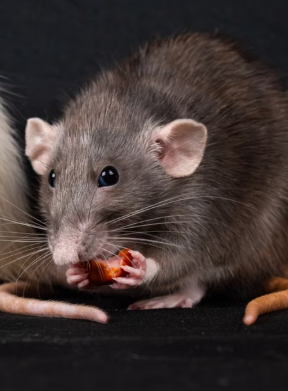
This Simple Method May Help Reduce Rats and Roaches at Home
Discovering rats or roaches inside your home can be frustrating and unsettling. These pests are not only unpleasant to see, but they can also create hygiene concerns by contaminating food, damaging household items, and spreading germs.
Many people immediately turn to chemical sprays and harsh pesticides. While these products can be useful in certain situations, experts often emphasize that the most effective long-term pest control strategy starts with prevention and removing the conditions that attract pests in the first place.
One simple approach that may help reduce rats and roaches is eliminating their access to food, water, and hiding places through better home sanitation and sealing entry points.
This method does not guarantee that pests will disappear overnight, but it can significantly reduce the factors that allow infestations to grow.
Why Rats and Roaches Enter Homes
Rats and cockroaches are highly adaptable creatures. They enter homes mainly because they find what they need to survive:
- Food sources
- Water
- Warm shelter
- Dark hiding areas
Even small amounts of food residue or moisture can attract pests.
Common attractants include:
- Crumbs on floors
- Open food containers
- Pet food left out overnight
- Leaking pipes
- Overflowing garbage bins
- Cluttered storage areas
Removing these attractions is one of the most important steps in pest prevention.
The Simple Method: Remove Food, Water, and Shelter
A basic but effective pest-control principle is often called integrated pest management (IPM).
The idea is simple:
Make your home less attractive and less accessible to pests.
This involves three major steps:
- Keep food sources unavailable
- Remove moisture problems
- Block entry and hiding spaces
1. Store Food Properly
Food is one of the biggest reasons pests enter homes.
To reduce attraction:
- Keep dry foods in sealed containers
- Avoid leaving uncovered food on counters
- Clean up spills quickly
- Store fruits and vegetables properly
- Avoid leaving pet food out overnight
Roaches can survive on very small amounts of food, including:
- Grease residue
- Food crumbs
- Starch particles
- Paper products with food traces
Keeping surfaces clean makes the environment less appealing.
2. Keep the Kitchen Clean
The kitchen is usually the most attractive area for pests because it contains food and water.
Helpful habits include:
Wipe Counters Daily
Remove:
- Oil residue
- Sugar spills
- Food particles
Clean Under Appliances
Areas beneath:
- Refrigerators
- Stoves
- Cabinets
can collect crumbs and grease.
Wash Dishes Promptly
Dirty dishes left overnight can provide food for cockroaches.
3. Remove Water Sources
Both rats and roaches need water to survive.
Look for:
- Leaking faucets
- Dripping pipes
- Wet sinks
- Standing water
- Damp areas under cabinets
Fixing moisture problems can make your home less suitable for pests.
Additional steps:
- Dry sinks before bedtime
- Repair plumbing leaks
- Improve ventilation in humid areas
4. Seal Entry Points
Rats and roaches can enter through surprisingly small openings.
Inspect areas such as:
- Door gaps
- Window cracks
- Pipe openings
- Wall holes
- Garage entrances
- Basement spaces
Seal gaps using appropriate materials such as:
- Caulk
- Weather stripping
- Metal mesh for rodent entry points
Blocking access prevents new pests from entering.
5. Reduce Clutter and Hiding Places
Pests prefer dark, undisturbed spaces.
Common hiding areas include:
- Cardboard boxes
- Storage piles
- Behind appliances
- Crowded cabinets
To reduce hiding spots:
- Remove unnecessary clutter
- Store items in sealed containers
- Keep storage areas organized
- Avoid leaving piles of paper or cardboard
Natural Methods People Commonly Use
Many people look for natural ways to discourage pests. Some household ingredients are believed to repel insects, but scientific evidence varies.
Commonly used options include:
Bay Leaves
Some people place bay leaves in cabinets because of their strong smell. However, they should not be considered a reliable method for eliminating infestations.
Peppermint or Essential Oils
Certain strong scents may discourage some insects temporarily, but they usually do not replace proper pest control methods.
Baking Soda and Other Home Remedies
Online remedies are widely shared, but many lack strong scientific evidence and may not solve an established infestation.
The most reliable approach remains prevention, sanitation, and targeted treatment when needed.
Signs You May Have a Rat Problem
Rats are often active at night, making them difficult to spot.
Possible signs include:
- Droppings
- Scratching sounds
- Chewed food packaging
- Gnaw marks on wood or wires
- A strong musky odor
- Nesting materials
Because rodents can damage electrical wiring and contaminate food, addressing the problem early is important.
Signs You May Have a Cockroach Problem
Common signs include:
- Live or dead cockroaches
- Small dark droppings
- Egg cases
- A musty odor
- Shed skins
- Increased activity at night
Seeing one cockroach does not always mean there is a large infestation, but repeated sightings may indicate a growing problem.
What Not to Do When Dealing With Pests
Some mistakes can make pest problems worse.
Do Not Ignore Small Signs
A few pests may multiply quickly if food and shelter remain available.
Do Not Rely Only on Sprays
Sprays may kill visible pests but may not address:
- Eggs
- Hidden nests
- Entry points
Do Not Leave Poison Baits Where Children or Pets Can Reach Them
If using pest-control products, always follow label instructions carefully and keep them away from vulnerable household members.
When to Call Professional Pest Control
Professional help may be needed when:
- You see pests frequently
- DIY methods have not worked
- There are signs of a large infestation
- Rats are nesting inside walls or ceilings
- You cannot identify the source
Professionals can identify entry points, nesting areas, and the most appropriate treatment options.
How to Maintain a Pest-Resistant Home
A few consistent habits can make a major difference:
Weekly Checklist
✔ Empty garbage regularly
✔ Clean food preparation areas
✔ Check for leaks
✔ Store food securely
✔ Remove unnecessary clutter
✔ Inspect possible entry points
Pest prevention works best when it becomes part of regular home maintenance.
Frequently Asked Questions
What attracts rats and roaches the most?
Food, water, warmth, and shelter are the biggest attractions. Even small amounts of crumbs or moisture can encourage pests.
Can cleaning alone remove an infestation?
Cleaning can reduce attraction, but established infestations may require additional pest-control methods.
Are natural repellents enough to stop rats and roaches?
Natural repellents may provide temporary effects, but sealing entry points and removing food sources are generally more effective.
How long does it take to reduce pests?
The timeline depends on the severity of the problem. Prevention methods can reduce activity over time, but larger infestations may require professional treatment.
Final Thoughts
The simplest way to reduce rats and roaches at home is not just chasing the pests—it is making your home a place where they cannot easily find food, water, or shelter.
Regular cleaning, proper food storage, fixing leaks, reducing clutter, and sealing entry points are practical steps that can make your home far less attractive to unwanted visitors.
While no single method works instantly for every situation, consistent prevention is one of the most effective ways to keep common household pests under control.
