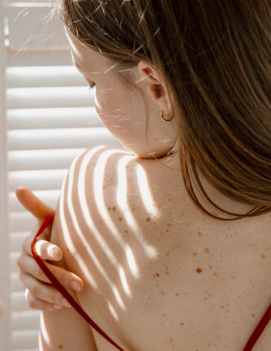
The Truth About Red Spots on Your Skin: Common Causes Explained
The Truth About Red Spots on Your Skin: Common Causes Explained
Noticing red spots on your skin can be concerning, especially when they appear suddenly or seem different from your usual skin appearance. However, red spots are extremely common and can happen for many different reasons. In many cases, they are harmless and may be related to everyday factors such as irritation, allergies, skin conditions, or natural changes in the body.
Understanding what may cause red spots can help you make informed decisions about your skin health. While many causes are minor and temporary, some changes deserve attention from a healthcare professional.
This article explains common reasons for red spots on the skin, what they may look like, when to seek medical advice, and how to support healthier skin.
Why Do Red Spots Appear on the Skin?
The skin is the body’s largest organ and responds to many internal and external factors. Red spots can develop when blood vessels become more visible, the skin becomes inflamed, or the immune system reacts to an irritant.
Common causes include:
- Skin irritation
- Allergic reactions
- Infections
- Inflammation
- Changes in blood vessels
- Environmental factors
- Certain medical conditions
The appearance of a red spot—such as its size, shape, location, and whether it causes itching or pain—can provide clues about its possible cause.
1. Skin Irritation
One of the most common causes of red spots is simple skin irritation.
Irritation may occur after exposure to:
- New skincare products
- Harsh soaps
- Fragrances
- Cleaning chemicals
- Rough fabrics
- Excessive friction
Signs of irritation may include:
- Redness
- Mild burning
- Dryness
- Tenderness
- Flaking
Usually, removing the irritating product and using gentle skincare can help the skin recover.
2. Allergic Reactions
Red spots can appear when the immune system reacts to a substance that it identifies as harmful, even when the substance is normally harmless.
Common triggers include:
- Certain foods
- Medications
- Plants
- Insect bites
- Cosmetic products
- Laundry products
Allergic skin reactions may cause:
- Red patches
- Itching
- Swelling
- Raised bumps
If a reaction is severe or involves difficulty breathing, facial swelling, or dizziness, seek emergency medical care immediately.
3. Acne and Inflamed Pores
Red spots on the face are often related to acne.
Acne develops when pores become clogged with:
- Oil
- Dead skin cells
- Bacteria
Inflamed acne lesions may appear as:
- Red bumps
- Pimples
- Tender spots
- Swollen areas
A consistent skincare routine and avoiding excessive picking can help reduce irritation.
4. Eczema and Skin Inflammation
Eczema is a group of conditions that can cause dry, irritated, and inflamed skin.
Common signs include:
- Red patches
- Itching
- Dryness
- Cracking
- Sensitive skin
Eczema flare-ups may be triggered by:
- Stress
- Weather changes
- Certain products
- Dry skin
Moisturizing regularly and identifying personal triggers can help manage symptoms.
5. Heat Rash
Heat rash occurs when sweat ducts become blocked, trapping sweat under the skin.
It commonly appears during:
- Hot weather
- Exercise
- Heavy sweating
- Wearing tight clothing
Symptoms may include:
- Small red spots
- Tiny bumps
- Itching
- A prickly sensation
Keeping the skin cool and wearing breathable clothing can help prevent heat rash.
6. Insect Bites
Insect bites can create red spots due to the body’s immune response to the bite.
Common features include:
- A small red bump
- Itching
- Swelling
- Local irritation
Common causes include bites from:
- Mosquitoes
- Fleas
- Other insects
Avoid scratching bites, as breaking the skin can increase the risk of infection.
7. Cherry Angiomas
Cherry angiomas are small, bright red growths caused by clusters of tiny blood vessels.
They are:
- Common in adults
- Usually harmless
- Often round and smooth
- Sometimes increase in number with age
Although they are generally not dangerous, a healthcare professional can evaluate any spot that changes significantly.
8. Skin Infections
Certain infections can cause red spots or patches.
Possible signs of infection include:
- Increasing redness
- Warmth
- Swelling
- Pain
- Pus or drainage
- Fever
Skin infections may require medical treatment, especially if symptoms worsen or spread.
9. Broken Blood Vessels or Petechiae
Small red or purple spots can sometimes appear when tiny blood vessels under the skin break.
These spots may be related to:
- Minor injury
- Pressure on the skin
- Certain medications
- Other health conditions
Spots caused by bleeding under the skin may not fade when pressed.
If you notice sudden widespread spots, unexplained bruising, bleeding, or other unusual symptoms, seek medical advice.
10. Sun Exposure and Skin Changes
Sun exposure can contribute to various skin changes over time.
Possible effects include:
- Redness
- Irritation
- Sunburn
- Visible blood vessels
- Changes in skin texture
Protecting your skin with sunscreen, protective clothing, and shade can help reduce sun-related damage.
When Should You See a Doctor?
Many red spots are harmless, but certain changes should be evaluated.
Seek medical advice if a red spot:
- Appears suddenly and spreads quickly
- Becomes painful or swollen
- Bleeds without a clear reason
- Changes in size, shape, or color
- Does not improve over time
- Is accompanied by fever or feeling unwell
- Appears with unexplained bruising
- Is associated with breathing problems or facial swelling
A healthcare professional can determine the cause through examination and, if needed, further testing.
How to Support Healthy Skin
Healthy skin requires consistent care.
Keep Skin Clean and Moisturized
Use gentle cleansers and moisturizers suitable for your skin type.
Protect Against the Sun
Daily sun protection can help prevent damage and support long-term skin health.
Stay Hydrated
Adequate hydration supports normal skin function.
Eat a Balanced Diet
Skin-friendly nutrients include:
- Vitamin C from fruits and vegetables
- Healthy fats from nuts, seeds, and fish
- Protein for tissue maintenance
- Antioxidants from colorful plant foods
Avoid Excessive Scratching
Scratching irritated skin can worsen inflammation and increase infection risk.
Common Questions About Red Spots
Are all red spots on the skin dangerous?
No. Many red spots are caused by harmless conditions such as irritation, insect bites, acne, or common skin changes. However, unusual or changing spots should be checked.
Can stress cause red spots?
Stress can influence some skin conditions, including eczema and acne, by affecting inflammation and hormone levels.
Do red spots always mean an allergy?
No. Allergies are only one possible cause. Red spots can result from many different factors.
Should I pop or scratch red spots?
It is usually best to avoid picking or scratching because it can increase irritation, delay healing, and raise the risk of infection.
Final Thoughts
Red spots on the skin can have many different causes, ranging from simple irritation to skin conditions that require medical attention. The appearance, location, and accompanying symptoms often provide important clues about what may be happening.
Pay attention to changes in your skin and avoid ignoring spots that are persistent, spreading, painful, or unusual. A gentle skincare routine, sun protection, and healthy lifestyle habits can help support healthier skin.
When in doubt, a healthcare professional can provide the most accurate evaluation and guidance for your individual situation.
