The Benefits of Beets: What Research Says About This Nutritious Vegetable
The Benefits of Beets: What Research Says About This Nutritious Vegetable
Beets, also known as beetroot, are colorful root vegetables that have been enjoyed for centuries in many cuisines around the world. With their deep red-purple color, naturally sweet flavor, and impressive nutritional profile, beets have become increasingly popular among people interested in healthy eating and overall wellness.
Beyond their vibrant appearance, beets contain important nutrients and plant compounds that have been studied for their potential health benefits. From supporting heart health to providing antioxidants, this versatile vegetable can be a valuable addition to a balanced diet.
While beets are not a cure for diseases and should not replace medical care, research suggests that including nutrient-rich vegetables like beets may contribute to healthier lifestyle habits.
This article explores the nutritional value of beets, potential benefits supported by research, ways to enjoy them, and important considerations.
What Are Beets?
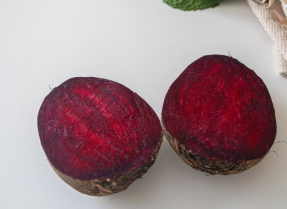
Beets are edible root vegetables that belong to the Amaranthaceae plant family. The most common variety has a deep red or purple color, but beets can also come in golden and striped varieties.
Every part of the beet plant can be used:
- The root is commonly roasted, boiled, pickled, or blended.
- The leafy greens can be cooked like other vegetables.
Beets are known for their natural pigments called betalains, which contribute to their distinctive color and antioxidant properties.
Nutritional Profile of Beets
Beets are low in calories while providing several important nutrients.
A serving of beets may provide:
- Dietary fiber
- Folate
- Potassium
- Vitamin C
- Manganese
- Natural plant compounds
Their nutritional content makes them a useful addition to meals focused on vegetables and whole foods.
1. Supports Heart Health
One of the most studied areas of beet nutrition is its potential connection with cardiovascular health.
Beets are naturally rich in nitrates, compounds that the body can convert into nitric oxide. Nitric oxide helps relax and widen blood vessels, which plays a role in healthy circulation.
Research has explored how beet consumption may influence:
- Blood vessel function
- Blood pressure levels
- Exercise-related blood flow
However, individual results can vary, and beets should be viewed as part of an overall heart-healthy eating pattern.
2. Provides Antioxidants
The bright color of beets comes partly from betalains, plant pigments with antioxidant properties.
Antioxidants help protect cells from oxidative stress caused by unstable molecules called free radicals.
A diet rich in antioxidant-containing foods may include:
- Beets
- Berries
- Leafy greens
- Nuts
- Beans
- Colorful vegetables
Eating a variety of plant foods provides a broad range of beneficial compounds.
3. May Support Exercise Performance
Beets have gained popularity among athletes because of their natural nitrate content.
Some research suggests that beetroot products may influence exercise performance by supporting:
- Oxygen efficiency
- Blood flow
- Physical endurance
Many studies have focused on beetroot juice, particularly in endurance activities. More research continues to explore how different forms and amounts affect performance.
Beets are not a substitute for training, proper nutrition, or recovery, but they can be part of a balanced approach to fitness.
4. Promotes Digestive Health
Beets contain dietary fiber, which plays an important role in digestive wellness.
Fiber can help:
- Support regular bowel movements
- Promote a healthy digestive system
- Increase feelings of fullness
- Support beneficial gut bacteria
Including fiber-rich foods such as vegetables, fruits, legumes, and whole grains can contribute to a healthier eating pattern.
5. Supports Brain and Circulation Health
Healthy blood flow is important for delivering oxygen and nutrients throughout the body, including the brain.
Because beet nitrates may support nitric oxide production, researchers have explored whether beets may influence circulation-related aspects of brain health.
More studies are needed to fully understand the long-term effects, but maintaining good circulation is an important part of overall wellness.
6. Helps Support a Nutrient-Rich Diet
One of the biggest benefits of beets is that they make it easier to add more vegetables to your meals.
A diet rich in vegetables is associated with many health benefits because vegetables provide:
- Vitamins
- Minerals
- Fiber
- Plant compounds
Beets can add variety, color, and flavor to a balanced diet.
7. May Support Healthy Inflammation Balance
Beets contain plant compounds that have been studied for their potential role in supporting the body’s natural inflammatory processes.
Inflammation is a normal part of the immune response, but maintaining balance is important for overall health.
A lifestyle that supports healthy inflammation includes:
- Eating a variety of plants
- Exercising regularly
- Getting enough sleep
- Managing stress
How to Add Beets to Your Diet
Beets are highly versatile and can be prepared in many ways.
Roasted Beets
Roasting brings out their natural sweetness.
Try combining roasted beets with:
- Olive oil
- Black pepper
- Herbs
- Goat cheese
- Nuts
Beet Salad
Combine cooked or raw beets with:
- Leafy greens
- Citrus fruits
- Seeds
- A light dressing
for a colorful and nutritious meal.
Beet Smoothies
Beets can be blended with:
- Berries
- Yogurt
- Banana
- Ginger
- Leafy greens
for a nutrient-packed drink.
Beet Soup
Traditional beet soups, such as borscht, are enjoyed in many cultures and can include additional vegetables for extra nutrition.
Beet Greens
Do not overlook beet leaves. They can be sautéed with:
- Garlic
- Olive oil
- Lemon juice
and served as a nutritious side dish.
Choosing and Storing Beets
When selecting fresh beets:
Look for:
- Firm roots
- Smooth skin
- Deep color
- Fresh-looking leaves if attached
To store:
- Remove greens if attached and store separately.
- Keep roots refrigerated.
- Wash before use.
Proper storage helps maintain freshness and flavor.
Possible Considerations When Eating Beets
Beets are generally safe for most people, but a few things are worth knowing.
Red or Pink Urine
Some people notice reddish urine after eating beets. This harmless effect is known as beeturia and occurs because of beet pigments.
Kidney Stone Concerns
Beets contain oxalates, natural compounds found in some plant foods. People who have been advised to limit oxalates should discuss dietary choices with a healthcare professional.
Blood Pressure Medications
Because beets may influence blood pressure, people taking blood pressure medications may want to discuss significant dietary changes with their healthcare provider.
Frequently Asked Questions
Are beets good for your health?
Beets are nutrient-rich vegetables containing fiber, vitamins, minerals, and plant compounds that can support a balanced diet.
Is beet juice better than whole beets?
Both can provide nutrients, but whole beets contain fiber that is reduced or removed during juicing.
Can beets lower blood pressure?
Some research suggests beetroot may support healthy blood pressure levels in certain people due to its nitrate content. However, it should not replace prescribed treatments.
How often should I eat beets?
There is no required amount. Including beets regularly as part of a varied diet can help increase vegetable intake.
Final Thoughts
Beets are more than just a colorful vegetable—they are a nutritious food containing fiber, minerals, antioxidants, and naturally occurring compounds that have been studied for their potential health benefits.
Research suggests that beets may support heart health, circulation, exercise performance, and digestive wellness when included as part of a balanced lifestyle. However, no single food provides all the nutrients the body needs.
The best approach is variety: combine beets with other vegetables, fruits, whole grains, lean proteins, and healthy fats to create a well-rounded eating pattern.
Adding a serving of beets to your meals is a simple and delicious way to bring more nutrition and color to your plate.
