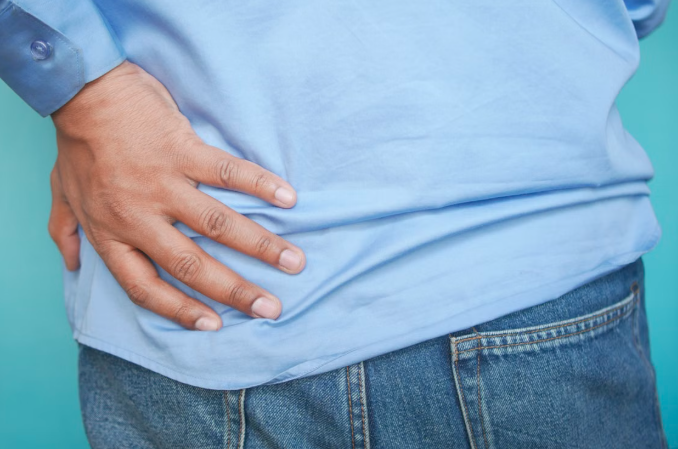
Pain on the Left Side of the Body: Possible Causes Explained
Pain on the left side of the body can be unsettling, especially when it appears suddenly or becomes severe. While some cases are caused by relatively minor issues such as muscle strain or poor posture, others may indicate a medical condition that requires prompt evaluation.
The left side of the body contains several important organs, including the heart, left lung, spleen, left kidney, parts of the stomach, pancreas, and portions of the large intestine. Because many different structures are located on this side, identifying the exact cause of pain often depends on the location, severity, duration, and any accompanying symptoms.
This guide explores the most common causes of left-sided body pain, the symptoms to watch for, available treatment options, and situations where emergency medical care is essential.
Understanding Left-Sided Body Pain
Pain on the left side may affect different areas, including:
- The left side of the chest
- Left shoulder
- Left arm
- Upper or lower back
- Abdomen
- Hip
- Leg
- Neck
The discomfort may feel:
- Sharp
- Dull
- Burning
- Cramping
- Aching
- Stabbing
- Tingling
- Throbbing
Pain can also be constant or come and go depending on the underlying cause.
Common Causes of Pain on the Left Side of the Body
1. Muscle Strain or Injury
One of the most common reasons for left-sided pain is muscle strain.
This may occur after:
- Heavy lifting
- Exercise
- Sudden twisting movements
- Poor posture
- Sleeping in an awkward position
Symptoms
- Localized soreness
- Pain that worsens with movement
- Muscle stiffness
- Mild swelling
- Tenderness when touched
Treatment
- Rest
- Ice packs during the first 24–48 hours
- Gentle stretching
- Over-the-counter pain relievers (if appropriate)
- Gradual return to normal activities
2. Heart-Related Conditions
Pain on the left side of the chest or arm can sometimes signal a serious heart problem.
Heart-related pain may result from:
- Angina
- Heart attack
- Inflammation of the heart lining
- Other cardiovascular conditions
Possible Symptoms
- Chest pressure or tightness
- Pain spreading to the left arm
- Pain in the jaw, neck, or shoulder
- Shortness of breath
- Cold sweats
- Nausea
- Lightheadedness
Heart-related pain should never be ignored.
3. Digestive Problems
Several digestive conditions may cause pain on the left side of the abdomen.
Examples include:
- Gas buildup
- Constipation
- Indigestion
- Gastritis
- Stomach ulcers
- Diverticular disease
- Irritable bowel syndrome (IBS)
Symptoms
- Bloating
- Cramping
- Changes in bowel habits
- Heartburn
- Nausea
- Abdominal tenderness
Many digestive conditions improve with dietary changes, hydration, and medical treatment when needed.
4. Kidney Problems
The left kidney sits toward the back of the upper abdomen.
Pain may develop due to:
- Kidney stones
- Kidney infections
- Urinary tract infections affecting the kidney
Symptoms
- Pain in the side or back
- Fever
- Painful urination
- Blood in urine
- Frequent urination
- Nausea
Kidney infections generally require prompt medical treatment.
5. Spleen Disorders
The spleen is located in the upper left portion of the abdomen.
Conditions affecting the spleen include:
- Enlarged spleen
- Injury after trauma
- Rare infections
- Blood-related disorders
Symptoms
- Upper left abdominal pain
- Pain that spreads to the left shoulder
- Feeling full after eating small meals
- Tenderness beneath the ribs
6. Lung Conditions
Pain on the left side of the chest may also originate from the lungs.
Possible causes include:
- Pneumonia
- Pleurisy
- Pulmonary embolism
- Collapsed lung
Symptoms
- Pain when breathing deeply
- Persistent cough
- Fever
- Difficulty breathing
- Chest discomfort
Some lung conditions require urgent medical evaluation.
7. Pancreatitis
Although the pancreas lies behind the stomach, inflammation can cause pain that spreads across the upper abdomen and sometimes favors the left side.
Symptoms
- Severe upper abdominal pain
- Pain radiating to the back
- Vomiting
- Fever
- Tender abdomen
Acute pancreatitis usually requires immediate medical attention.
8. Nerve Compression
Compressed nerves in the neck or spine can cause pain that travels along the left side of the body.
Examples include:
- Herniated disc
- Pinched nerve
- Cervical radiculopathy
- Sciatica (if affecting the left side)
Symptoms
- Shooting pain
- Tingling
- Numbness
- Muscle weakness
- Burning sensation
9. Arthritis and Joint Disorders
Joint conditions may affect the:
- Left shoulder
- Hip
- Knee
- Wrist
- Spine
Common causes include:
- Osteoarthritis
- Rheumatoid arthritis
- Bursitis
- Tendinitis
Symptoms
- Joint stiffness
- Swelling
- Reduced mobility
- Pain during movement
10. Shingles
Shingles is caused by reactivation of the chickenpox virus.
It often affects one side of the body.
Symptoms
- Burning pain
- Tingling
- Blistering rash
- Sensitive skin
Early treatment may reduce the severity and duration of symptoms.
Pain in Specific Areas of the Left Side
Left Chest Pain
Possible causes include:
- Muscle strain
- Acid reflux
- Heart conditions
- Lung disease
- Anxiety
Persistent or severe chest pain should always be evaluated promptly.
Left Arm Pain
Pain may result from:
- Muscle injury
- Pinched nerve
- Shoulder disorders
- Heart-related conditions
Pain that occurs with chest discomfort or shortness of breath may require emergency care.
Left Abdominal Pain
Possible causes include:
- Gas
- Constipation
- Diverticular disease
- Kidney stones
- Spleen problems
- Stomach disorders
The exact location helps healthcare providers narrow down the cause.
Left Leg Pain
Possible causes include:
- Muscle strain
- Sciatica
- Blood circulation problems
- Arthritis
- Blood clots
Sudden swelling, redness, warmth, or severe pain in one leg should be evaluated promptly.
When to Seek Emergency Medical Care
Seek immediate medical attention if left-sided pain occurs with:
- Severe chest pain
- Shortness of breath
- Fainting
- Confusion
- Difficulty speaking
- Sudden weakness
- Pain spreading into the jaw or left arm
- Blue lips or fingertips
- Severe abdominal pain
- Vomiting blood
- Blood in the stool
- Sudden inability to move an arm or leg
These symptoms may indicate a life-threatening medical emergency.
How Doctors Diagnose Left-Sided Pain
Diagnosis often begins with a detailed medical history and physical examination.
Depending on the symptoms, your healthcare provider may recommend:
- Blood tests
- Urine tests
- Electrocardiogram (ECG)
- Chest X-ray
- Ultrasound
- CT scan
- MRI
- Endoscopy
- Colonoscopy (when appropriate)
Finding the underlying cause helps determine the most effective treatment plan.
Treatment Options
Treatment depends entirely on the underlying condition.
Possible treatments include:
- Rest
- Physical therapy
- Prescription medications
- Antibiotics for bacterial infections
- Anti-inflammatory medications
- Lifestyle changes
- Dietary modifications
- Surgery (in selected cases)
Avoid self-diagnosing persistent or severe pain, especially if symptoms worsen or new symptoms develop.
Tips to Help Reduce the Risk of Left-Sided Pain
While not every cause can be prevented, healthy habits may lower the risk of certain conditions.
Stay Physically Active
Regular exercise supports:
- Heart health
- Joint flexibility
- Muscle strength
- Healthy circulation
Aim for activities that match your fitness level and consult a healthcare provider before beginning a new exercise routine if you have existing medical conditions.
Maintain Good Posture
Poor posture may contribute to muscle tension and back pain.
Remember to:
- Sit with proper back support
- Avoid prolonged sitting
- Stretch regularly during the day
Eat a Balanced Diet
A nutritious eating pattern supports overall health and digestive function.
Include:
- Fruits
- Vegetables
- Whole grains
- Lean proteins
- Healthy fats
Limit excessive amounts of highly processed foods, added sugars, and saturated fats.
Stay Hydrated
Drinking enough water helps support:
- Kidney function
- Digestion
- Muscle performance
Hydration needs vary depending on age, activity level, and climate.
Manage Stress
Chronic stress may contribute to muscle tension, headaches, digestive symptoms, and increased perception of pain.
Helpful stress-management techniques include:
- Deep breathing exercises
- Mindfulness or meditation
- Regular physical activity
- Adequate sleep
- Spending time with supportive friends and family
Avoid Smoking
Smoking increases the risk of several health conditions, including heart disease, lung disease, and circulation problems. If you smoke, consider speaking with a healthcare professional about quitting strategies.
Schedule Regular Health Checkups
Routine medical visits can help identify risk factors such as high blood pressure, diabetes, or high cholesterol before they lead to more serious complications.
Frequently Asked Questions
Is pain on the left side always related to the heart?
No. While heart conditions are an important possibility—especially with chest pain—many cases are caused by muscle strain, digestive issues, nerve irritation, or other non-cardiac conditions. However, chest pain accompanied by symptoms like shortness of breath, sweating, or pain radiating to the arm or jaw requires immediate medical attention.
Can stress cause pain on the left side?
Stress and anxiety can contribute to muscle tension, chest discomfort, headaches, and digestive symptoms. Even so, new or severe pain should not automatically be attributed to stress without a medical evaluation.
When should I see a doctor?
Schedule a medical appointment if pain:
- Lasts more than a few days
- Keeps returning
- Becomes progressively worse
- Interferes with daily activities
- Is accompanied by fever, unexplained weight loss, persistent vomiting, blood in the urine or stool, or other concerning symptoms
Final Thoughts
Pain on the left side of the body can have many different causes, ranging from temporary muscle strain to conditions affecting the heart, lungs, digestive system, kidneys, nerves, or joints. Paying attention to where the pain occurs, how long it lasts, and any accompanying symptoms can provide important clues, but only a qualified healthcare professional can make an accurate diagnosis.
Although many cases improve with rest and appropriate treatment, sudden, severe, or persistent pain should never be ignored. If left-sided pain is accompanied by chest pressure, difficulty breathing, fainting, or pain spreading to the arm or jaw, seek emergency medical care immediately.
Understanding the possible causes and recognizing warning signs can help you make informed decisions and seek timely medical attention when needed, supporting better health and peace of mind.
