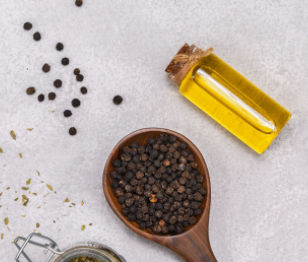
Olive Oil and Black Pepper: Traditional Uses and Potential Benefits
Olive Oil and Black Pepper: A Traditional Combination with Possible Wellness Benefits
For centuries, herbs, spices, and natural ingredients have been used in traditional cooking and wellness practices around the world. Two ingredients that have remained popular across many cultures are olive oil and black pepper. Individually, both have unique flavors and nutritional qualities, and together they create a simple combination that can add depth to meals while contributing beneficial plant compounds to the diet.
Olive oil is widely recognized as a key part of Mediterranean-style eating patterns, while black pepper has been valued for its bold flavor and traditional culinary uses. When combined, these ingredients provide healthy fats, antioxidants, and naturally occurring compounds that may support overall wellness as part of a balanced lifestyle.
This article explores the traditional uses of olive oil and black pepper, their nutritional properties, possible benefits, and simple ways to include them in your daily meals.
What Makes Olive Oil and Black Pepper Special?
Both olive oil and black pepper have been used for generations in cooking and traditional practices.
Olive Oil
Olive oil is made by pressing olives and is especially known for extra virgin olive oil, which undergoes minimal processing.
It contains:
- Monounsaturated fats
- Vitamin E
- Polyphenols
- Antioxidant compounds
Extra virgin olive oil is commonly used in Mediterranean cuisine and is often added to salads, vegetables, sauces, and cooked dishes.
Black Pepper
Black pepper comes from the dried berries of the pepper plant (Piper nigrum).
It contains:
- Piperine, a natural plant compound responsible for its spicy flavor
- Antioxidants
- Essential oils that contribute to its aroma
Black pepper has traditionally been used as a seasoning to enhance flavor and improve the enjoyment of meals.
1. Provides Healthy Fats from Olive Oil
One of the main nutritional qualities of olive oil is its high content of monounsaturated fats.
Healthy fats are important because they help:
- Provide energy
- Support the absorption of fat-soluble vitamins
- Contribute to a balanced diet
Replacing some sources of saturated fats with unsaturated fats can be part of a heart-friendly eating pattern.
2. Contains Antioxidant Compounds
Both olive oil and black pepper contain natural plant compounds with antioxidant properties.
Antioxidants help protect cells from oxidative stress, which occurs naturally in the body.
Olive oil contains polyphenols, while black pepper contains plant compounds such as piperine that contribute to its nutritional profile.
A diet rich in plant foods—including fruits, vegetables, herbs, spices, nuts, and healthy oils—provides a wide range of beneficial compounds.
3. May Support Heart-Healthy Eating Patterns
Olive oil is a major component of Mediterranean-style diets, which emphasize:
- Vegetables
- Fruits
- Whole grains
- Beans
- Fish
- Nuts
- Healthy fats
This style of eating has been widely studied for its relationship with overall health.
Using olive oil as a cooking oil or salad dressing can be a simple way to include unsaturated fats in your meals.
4. Black Pepper May Improve Flavor Without Extra Salt
One practical benefit of black pepper is that it adds strong flavor without adding sodium.
Using herbs and spices such as black pepper can help make meals more enjoyable while reducing reliance on excessive salt.
Try seasoning foods with:
- Black pepper
- Garlic
- Herbs
- Lemon
- Paprika
- Rosemary
for more flavorful meals.
5. Supports Digestive Enjoyment
Black pepper has a long history of traditional culinary use for supporting digestion and improving appetite.
Its active compound, piperine, contributes to its distinctive taste and aroma.
Olive oil is also commonly included in balanced meals that contain vegetables, whole grains, and other fiber-rich foods that support digestive health.
6. Helps Enhance Nutrient Absorption
Some research has explored the role of piperine in helping increase the absorption of certain compounds.
Black pepper is often paired with foods containing beneficial plant compounds because of its traditional culinary use and potential influence on nutrient availability.
However, the effects can vary depending on the nutrient, food source, and individual factors.
Traditional Uses of Olive Oil and Black Pepper
Across different cultures, this combination has been used in various ways.
Common traditional uses include:
- Salad dressings
- Vegetable seasoning
- Marinades
- Bread dipping mixtures
- Soup flavoring
- Cooking sauces
Many traditional food practices focus on combining simple ingredients to create flavorful and nourishing meals.
How to Use Olive Oil and Black Pepper in Your Diet
Adding this combination to everyday meals is easy.
1. Salad Dressing
Mix:
- 2 tablespoons extra virgin olive oil
- Freshly ground black pepper
- Lemon juice or vinegar
- A small amount of herbs
Drizzle over salads or roasted vegetables.
2. Roasted Vegetables
Before roasting vegetables, add:
- Olive oil
- Black pepper
- Garlic
- Herbs
Good options include:
- Potatoes
- Carrots
- Broccoli
- Cauliflower
- Zucchini
3. Egg Dishes
A small drizzle of olive oil and a sprinkle of black pepper can add flavor to:
- Scrambled eggs
- Omelets
- Boiled eggs
4. Homemade Marinades
Combine olive oil and black pepper with:
- Lemon juice
- Garlic
- Herbs
to create a flavorful marinade for vegetables, fish, or poultry.
Choosing Quality Olive Oil
When selecting olive oil, consider:
Extra Virgin Olive Oil
Extra virgin olive oil is the least processed type and generally contains more natural plant compounds than more refined varieties.
Storage Matters
To maintain quality:
- Keep olive oil away from direct sunlight.
- Store it in a cool place.
- Close the bottle tightly after use.
Fresh olive oil usually has a pleasant aroma and flavor.
Possible Precautions
Although olive oil and black pepper are common food ingredients, individual responses may vary.
Consider moderation if you:
- Have digestive sensitivity to spicy foods.
- Need to monitor calorie intake.
- Take medications that may interact with certain supplements or concentrated extracts.
Food amounts used in everyday cooking are different from highly concentrated oils, extracts, or supplements.
If you have specific health concerns, discuss dietary changes with a qualified healthcare professional.
Common Myths About Olive Oil and Black Pepper
Myth: This combination can cure health conditions.
Olive oil and black pepper are nutritious ingredients, but they are not medicines and cannot cure diseases.
Myth: More is always better.
Healthy foods still need to be consumed in appropriate amounts. Olive oil is calorie-dense, so portion size matters.
Myth: Natural ingredients work instantly.
The benefits of healthy eating usually come from consistent dietary patterns over time rather than one single ingredient.
Frequently Asked Questions
Can I take olive oil and black pepper every morning?
Some people include olive oil and black pepper in their breakfast or meals. However, there is no proven requirement to consume them at a specific time for health benefits.
Is olive oil better than regular cooking oils?
Extra virgin olive oil is a source of monounsaturated fats and plant compounds. The best choice depends on how it fits into your overall diet and cooking needs.
Does black pepper have health benefits?
Black pepper contains plant compounds such as piperine and has been traditionally used as a flavorful spice. It can be part of a healthy eating pattern.
Can olive oil and black pepper help with weight loss?
No single ingredient causes weight loss. Maintaining a healthy weight depends on overall calorie balance, diet quality, physical activity, and lifestyle habits.
Final Thoughts
Olive oil and black pepper are simple ingredients with a long history in traditional cooking. Olive oil provides healthy fats and plant compounds, while black pepper adds flavor and naturally occurring compounds that make meals more enjoyable.
When included as part of a balanced diet rich in vegetables, fruits, whole grains, lean proteins, and other nutritious foods, this classic combination can contribute to a flavorful and health-conscious approach to eating.
Rather than looking for quick fixes, focus on building consistent habits with wholesome ingredients. Small choices—such as using quality olive oil and flavorful spices—can make healthy meals both enjoyable and sustainable.
