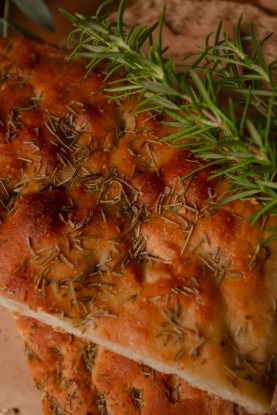
No-Knead Garlic and Herb Bread With Rosemary and Parsley
There is something special about homemade bread—the aroma filling the kitchen, the golden crust, and the satisfaction of creating something delicious from simple ingredients. This no-knead garlic and herb bread with rosemary and parsley delivers all of that flavor without the need for complicated techniques or hours of hands-on preparation.
Unlike traditional bread recipes that require kneading to develop gluten, this recipe relies on a long resting period to create a soft, airy texture. Fresh garlic, fragrant rosemary, and bright parsley add incredible flavor, making this bread perfect for serving with soups, pasta dishes, roasted meats, or simply enjoying warm with a little butter.
Whether you are a beginner baker or an experienced cook looking for an easy homemade loaf, this recipe is a simple way to bring bakery-style bread to your table.
Why You’ll Love This No-Knead Bread
This garlic and herb bread is:
- Easy to prepare
- Requires minimal effort
- Full of fresh flavor
- Crispy on the outside and soft inside
- Perfect for beginners
- Made with simple pantry ingredients
The best part is that most of the work happens while the dough rests. The yeast slowly develops flavor and texture, creating a delicious loaf without intensive mixing or kneading.
Ingredients You’ll Need
For the Bread Dough
- 3 cups all-purpose flour
- 1 ½ teaspoons salt
- 1 teaspoon instant yeast
- 1 ½ cups warm water
- 2 tablespoons olive oil
For the Garlic and Herb Flavor
- 3–4 cloves garlic, finely minced
- 2 tablespoons fresh rosemary, chopped
- 3 tablespoons fresh parsley, chopped
- 2 tablespoons olive oil
- ½ teaspoon black pepper
Optional Additions
You can also add:
- ½ cup shredded Parmesan cheese
- 1 teaspoon dried oregano
- Red pepper flakes for heat
- A sprinkle of sea salt on top
How to Make No-Knead Garlic and Herb Bread
Step 1: Prepare the Dough
In a large mixing bowl, combine:
- Flour
- Salt
- Instant yeast
Stir the dry ingredients together.
Add warm water and olive oil, then mix with a wooden spoon until a rough, sticky dough forms.
The dough does not need to look smooth. Since this is a no-knead recipe, the resting time will do the work of developing structure.
Step 2: Add Garlic and Herbs
Add the minced garlic, chopped rosemary, parsley, and black pepper to the dough.
Mix gently until the herbs and garlic are evenly distributed.
Fresh herbs provide the best flavor, but dried herbs can be used if fresh ones are unavailable.
Step 3: Let the Dough Rise
Cover the bowl with plastic wrap or a clean kitchen towel.
Allow the dough to rest at room temperature for about 8–12 hours.
A longer resting time creates deeper flavor and a better texture.
The dough should become:
- Puffy
- Soft
- Full of air bubbles
For convenience, you can prepare the dough in the evening and bake the bread the next day.
Step 4: Shape the Dough
Lightly flour your work surface.
Gently transfer the dough onto the surface and shape it into a round loaf.
Avoid overworking the dough. The goal is simply to create a loose, even shape.
Place the shaped dough on parchment paper and allow it to rest for another 30–60 minutes.
Step 5: Bake the Bread
Preheat your oven to 450°F (230°C).
If using a Dutch oven, place it inside the oven while preheating.
Carefully transfer the dough into the hot Dutch oven, cover, and bake for about 30 minutes.
Remove the lid and continue baking for another 10–15 minutes until the bread develops a golden-brown crust.
If you do not have a Dutch oven, bake the bread on a baking sheet and place a small pan of hot water in the oven to create steam.
Step 6: Cool Before Slicing
Allow the bread to cool for at least 20–30 minutes before slicing.
Cutting too early can release steam and make the inside texture gummy.
Once cooled, slice and enjoy.
Tips for Perfect No-Knead Bread
Use Fresh Ingredients
Fresh garlic, rosemary, and parsley create a stronger flavor than dried seasonings.
Choose herbs that look bright and fragrant for the best results.
Do Not Add Too Much Flour
No-knead dough is naturally wetter and stickier than traditional bread dough.
Adding too much flour can make the bread dense instead of light and airy.
Allow Enough Rising Time
The long fermentation period is what gives no-knead bread its signature texture and flavor.
Do not rush this step.
Create Steam for a Crispy Crust
Steam helps the bread develop a beautiful crust.
A covered Dutch oven works especially well because it traps moisture during baking.
How to Serve Garlic and Herb Bread
This flavorful bread pairs well with many dishes.
With Soups
Serve slices alongside:
- Tomato soup
- Chicken soup
- Vegetable soup
- Creamy mushroom soup
The bread is perfect for soaking up flavorful broth.
With Pasta
Garlic and herb bread makes a delicious side for:
- Spaghetti
- Lasagna
- Alfredo pasta
- Baked pasta dishes
As an Appetizer
Serve warm slices with:
- Olive oil for dipping
- Herb butter
- Cheese spreads
- Roasted garlic
For Sandwiches
Thick slices can be used to create gourmet sandwiches with:
- Grilled vegetables
- Cheese
- Roasted chicken
- Fresh greens
Recipe Variations
Cheesy Garlic Herb Bread
Add shredded cheese such as:
- Parmesan
- Cheddar
- Mozzarella
The cheese melts into the bread, creating a richer flavor.
Spicy Garlic Herb Bread
Add:
- Chili flakes
- Cayenne pepper
- Chopped jalapeños
for a spicy twist.
Whole Wheat Version
Replace part of the all-purpose flour with whole wheat flour for added fiber and a nuttier flavor.
Keep in mind that whole wheat flour may create a slightly denser loaf.
Butter Garlic Finish
For extra richness, brush the warm bread with melted butter mixed with minced garlic and herbs immediately after baking.
This creates a soft, flavorful crust.
How to Store Homemade Bread
Store leftover bread in an airtight container or bread bag at room temperature for up to a few days.
To refresh the texture:
- Warm slices in the oven
- Toast before serving
- Add a little butter or olive oil
For longer storage, freeze slices in an airtight freezer bag and thaw as needed.
Frequently Asked Questions
Can I make this bread without a Dutch oven?
Yes. A Dutch oven helps create a crispy crust, but you can bake the bread on a regular tray with added steam.
Can I use dried herbs?
Yes. Use smaller amounts because dried herbs have a stronger concentrated flavor.
Can I prepare the dough ahead of time?
Yes. The dough can be refrigerated after mixing and baked later. Allow it to come closer to room temperature before baking.
Why is my bread dense?
Dense bread may result from insufficient rising time, too much flour, or inactive yeast.
Final Thoughts
No-knead garlic and herb bread with rosemary and parsley proves that homemade bread does not need to be complicated. With a simple dough, a little patience, and fresh herbs, you can create a flavorful loaf with a crisp crust and soft interior.
The combination of garlic, rosemary, and parsley gives this bread a delicious aroma and makes it a perfect addition to almost any meal.
Whether served warm alongside dinner or enjoyed on its own, this easy homemade bread is a recipe worth keeping.
