Just a Teaspoon of This May Help Your Orchid Bloom More Beautifully (Simple Orchid Care Tip)
Orchids are known for their elegant flowers, long-lasting blooms, and stunning variety of colors. However, many orchid owners struggle with one common problem: a healthy-looking plant that refuses to produce new flowers.
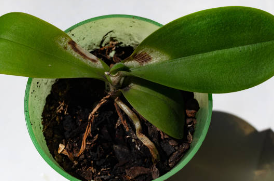
If your orchid has green leaves but seems stuck without blooms, the solution may not require expensive products or complicated techniques. Sometimes, small changes in care—such as providing the right nutrients, proper watering, and suitable growing conditions—can encourage better flowering.
One popular home gardening tip involves using a small amount of natural fertilizer, such as diluted orchid fertilizer or nutrient-rich supplements, to support blooming. However, it is important to use the right product and avoid overfeeding, as orchids are sensitive plants.
In this guide, we’ll explore how a teaspoon-sized amount of the right nutrient solution may support orchid blooms, what orchids need to flower beautifully, common mistakes to avoid, and expert care tips for healthier plants.
Why Your Orchid May Not Be Blooming
Before adding any supplement, it helps to understand why orchids sometimes stop flowering.
Common reasons include:
- Not enough light
- Incorrect watering habits
- Lack of nutrients
- Poor temperature conditions
- Root problems
- Natural resting periods after blooming
- Stress from environmental changes
A plant can have beautiful green leaves and still need different conditions to produce flowers.
The “Teaspoon” Orchid Care Trick: Balanced Fertilizer
Many orchid growers use a small amount of properly diluted fertilizer to provide nutrients needed for healthy growth and blooming.
A common recommendation is using a balanced orchid fertilizer according to the product label. Some growers use approximately a teaspoon of liquid fertilizer diluted in water, but the exact amount depends on the fertilizer concentration.
Orchids do not need large amounts of fertilizer. In fact, too much fertilizer can damage roots and create problems.
The goal is to provide gentle nutrition, not overload the plant.
Why Nutrients Matter for Orchid Blooms
Like all plants, orchids need essential nutrients to grow.
Important nutrients include:
Nitrogen (N)
Supports:
- Leaf growth
- Healthy green foliage
- Overall plant development
Phosphorus (P)
Supports:
- Flower production
- Root development
- Energy transfer within the plant
Potassium (K)
Helps with:
- Overall plant strength
- Stress tolerance
- Flower quality
A fertilizer with balanced nutrients can help provide what the orchid needs during active growth periods.
How to Fertilize an Orchid Correctly
The key to successful orchid feeding is moderation.
Step 1: Water First
Before applying fertilizer, water your orchid with plain water.
This helps prevent fertilizer salts from concentrating around the roots.
Step 2: Dilute the Fertilizer
Always follow the instructions on the fertilizer package.
Orchids generally prefer weaker fertilizer solutions compared with many common houseplants.
Step 3: Apply During Active Growth
Fertilizing is most useful when the orchid is:
- Growing new leaves
- Developing roots
- Preparing for flowering
Avoid heavy feeding when the plant is stressed or unhealthy.
Step 4: Flush the Pot Regularly
Over time, minerals from fertilizer can build up in the potting medium.
Occasionally watering thoroughly with plain water can help wash away excess salts.
Other Important Factors That Help Orchids Bloom
Fertilizer alone usually will not make an orchid bloom. Healthy flowering requires the right environment.
1. Provide Bright, Indirect Light
Light is one of the most important factors for orchid flowering.
Signs your orchid may need more light:
- Dark green leaves
- No flowers for a long time
- Slow growth
Ideal conditions:
- Bright filtered sunlight
- Protection from harsh afternoon sun
- A location near a bright window
Avoid placing orchids in direct, intense sunlight because it can burn leaves.
2. Water Properly
Many orchid problems come from incorrect watering.
A common mistake is watering too frequently.
Most orchids prefer:
- Thorough watering
- Good drainage
- Allowing roots to partially dry between watering
Signs of overwatering:
- Yellow leaves
- Soft roots
- Root rot
- Mushy plant base
Signs of underwatering:
- Wrinkled leaves
- Dry roots
- Drooping appearance
3. Maintain Proper Humidity
Orchids naturally grow in humid environments.
Helpful humidity tips:
- Use a humidity tray
- Group plants together
- Keep away from dry heating vents
- Improve air circulation
Avoid stagnant air, which can encourage fungal problems.
4. Give Orchids a Temperature Difference
Many orchids benefit from a slight temperature change between day and night.
A cooler nighttime temperature can sometimes encourage flower spikes to develop.
Try:
- Warm days
- Slightly cooler nights
Avoid sudden temperature extremes.
5. Repot When Necessary
Old potting material can break down and reduce airflow around orchid roots.
Signs your orchid may need repotting:
- Roots are crowded
- Potting bark has decomposed
- Water drains poorly
- Roots appear unhealthy
Use orchid-specific potting mix rather than regular garden soil.
Natural Orchid Care Additions: What Works and What to Avoid
Many home gardeners experiment with kitchen ingredients and household items to encourage blooming. Some methods may provide small amounts of nutrients, but others can harm orchids.
Be Careful With:
Sugar Water
Sugar does not provide the nutrients orchids need and may encourage unwanted microbial growth.
Milk
Milk can leave residues and create unpleasant odors or fungal issues if used incorrectly.
Coffee Grounds
Coffee grounds are generally not recommended directly in orchid pots because they can affect moisture levels and airflow.
Excessive Homemade Fertilizers
Too much of any homemade mixture can damage sensitive orchid roots.
Signs Your Orchid Is Ready to Bloom
A healthy orchid preparing to flower may show:
- New root growth
- Firm green leaves
- A developing flower spike
- Strong stems
- Active growth
Patience is important. Some orchids naturally bloom only once or twice a year.
Common Orchid Blooming Mistakes
Overwatering
This is one of the most common causes of orchid decline.
Too Little Light
An orchid may survive in low light but fail to flower.
Using the Wrong Soil
Regular potting soil can suffocate orchid roots.
Fertilizing Too Often
More fertilizer does not always mean more flowers.
Cutting Flower Spikes Incorrectly
Some orchids can rebloom from old spikes, while others benefit from pruning after flowering.
Research your specific orchid variety before trimming.
Frequently Asked Questions
Can a teaspoon of fertilizer really make an orchid bloom?
A small amount of appropriate fertilizer may support healthy growth, but blooming depends on several factors including light, watering, temperature, and the orchid’s natural cycle.
How often should I fertilize my orchid?
Many growers fertilize lightly every few weeks during active growth. Always follow the fertilizer manufacturer’s instructions.
What fertilizer is best for orchids?
A fertilizer specifically designed for orchids is usually the best choice because it is formulated for their nutrient needs.
Why does my orchid have leaves but no flowers?
Common causes include insufficient light, lack of nutrients, stress, incorrect temperature, or the orchid being in a natural resting period.
Should I fertilize a blooming orchid?
Light feeding may be appropriate, but avoid overfertilizing. The plant’s overall health and the fertilizer instructions should guide your approach.
Final Thoughts
A teaspoon-sized amount of the right orchid fertilizer may help support healthier growth and encourage more beautiful blooms, but it is only one part of successful orchid care. These delicate plants thrive when they receive the right balance of nutrients, light, water, humidity, and patience.
Instead of relying on a single “miracle” ingredient, focus on creating the ideal growing environment. With consistent care and the right conditions, your orchid can reward you with stronger growth and stunning flowers season after season.
