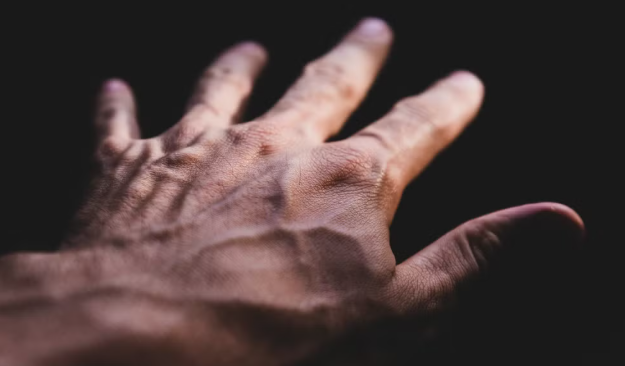
If Your Veins Are Visible, Here’s What It Could Mean
Visible veins are a common physical feature that many people notice on their hands, arms, legs, or other areas of the body. For some individuals, prominent veins are simply a natural result of genetics, body composition, or lifestyle. For others, suddenly noticeable veins may be a sign of changes happening beneath the skin that deserve attention.
Seeing your veins more clearly does not automatically mean something is wrong. In many cases, visible veins are harmless and reflect normal differences in skin thickness, body fat, and blood circulation. However, certain changes—such as new bulging veins, pain, swelling, or skin discoloration—may indicate an underlying vascular issue.
This article explains the possible reasons why your veins may be visible, when it is normal, and which warning signs should not be ignored.
Why Are Some People’s Veins More Visible?
Veins carry blood back to the heart and are located at different depths beneath the skin. How noticeable they appear depends on several factors, including:
- Skin thickness
- Amount of body fat
- Age
- Genetics
- Exercise habits
- Hydration levels
- Temperature
- Blood circulation
Some people naturally have more visible veins due to their body structure, while others may notice changes over time.
1. Low Body Fat Levels
One of the most common reasons veins become more noticeable is having less fat beneath the skin.
Subcutaneous fat acts as a layer between the skin and veins. When this layer becomes thinner, veins may appear more prominent.
This is often seen in:
- Athletes
- People who lose weight
- Individuals with naturally lean body types
Visible veins in the arms, hands, or legs are often considered normal in lean individuals.
2. Increased Muscle Mass
People who strength train or build muscle may develop more visible veins, a condition often called vascularity.
Muscle growth can make veins appear more noticeable because:
- Larger muscles push veins closer to the skin surface
- Exercise increases blood flow
- Temporary swelling during workouts can make veins stand out
Bodybuilders and athletes often have highly visible veins due to a combination of muscle development and lower body fat.
3. Aging Skin Changes
As people age, skin naturally becomes thinner and loses some elasticity.
This can make veins more visible, especially on:
- Hands
- Forearms
- Feet
- Lower legs
Aging also reduces the amount of collagen and fat beneath the skin, making underlying structures easier to see.
4. Dehydration
When the body does not have enough fluids, veins may become more noticeable.
Dehydration can cause:
- Reduced skin fullness
- Lower blood volume changes
- More prominent veins, especially in the hands and arms
Other signs of dehydration may include:
- Dry mouth
- Dark-colored urine
- Dizziness
- Fatigue
Drinking enough fluids helps maintain normal circulation and skin appearance.
5. Exercise and Temporary Vein Visibility
Have you ever noticed your veins becoming more visible after physical activity?
This is usually normal.
During exercise:
- Blood flow increases
- Blood vessels expand temporarily
- Muscles require more oxygen and nutrients
This can make veins appear larger for a short period, especially after intense workouts.
The effect usually decreases once the body returns to its resting state.
6. Heat Exposure
Warm temperatures can cause blood vessels to expand as the body tries to release heat.
You may notice more visible veins during:
- Hot weather
- Hot showers
- Saunas
- After spending time outdoors
This is a normal response and usually improves when the body cools down.
7. Genetics
Some people are simply born with more visible veins.
Genetic factors influence:
- Skin thickness
- Vein size
- Body fat distribution
- Circulation patterns
If close family members have prominent veins, you may naturally have them as well.
8. Varicose Veins
While many visible veins are harmless, some may be related to varicose veins.
Varicose veins are enlarged, twisted veins that commonly appear on the legs.
They occur when valves inside veins do not work properly, allowing blood to collect and increase pressure.
Signs of varicose veins may include:
- Bulging or rope-like veins
- Aching legs
- Heavy feeling in the legs
- Swelling around the ankles
- Itching
- Skin changes near affected veins
Varicose veins are common, but symptoms should be discussed with a healthcare professional if they become uncomfortable or worsen.
9. Spider Veins
Spider veins are smaller blood vessels that appear close to the skin surface.
They often look like:
- Red lines
- Blue or purple web-like patterns
They commonly appear on:
- Legs
- Face
Spider veins are usually harmless but may be a cosmetic concern for some people.
10. Changes in Blood Flow or Vein Pressure
Sometimes veins become more visible because of increased pressure inside the blood vessels.
Possible causes include:
- Prolonged standing
- Pregnancy
- Certain medical conditions
- Vein valve problems
If visible veins appear suddenly along with other symptoms, medical advice may be appropriate.
When Visible Veins Could Be a Warning Sign
Visible veins alone are usually not a cause for concern. However, you should seek medical advice if you notice:
Sudden Appearance of Bulging Veins
A rapid change in vein appearance, especially without weight loss, exercise changes, or other explanation, may require evaluation.
Pain or Tenderness
Healthy visible veins typically do not hurt.
Contact a healthcare professional if you experience:
- Pain along a vein
- Warmth
- Tenderness
- Redness
Swelling in One Limb
Swelling, especially when it occurs in only one leg or arm, may indicate a circulation problem that needs assessment.
Skin Color Changes
Watch for:
- Darkening skin around veins
- Redness
- Blue discoloration
- Skin ulcers
These may indicate circulation issues.
A Hard, Rope-Like Vein
A vein that feels hard, painful, or inflamed should be checked by a healthcare professional.
Can Visible Veins Be Reduced?
The appearance of veins depends largely on factors you cannot change, such as genetics and skin structure. However, certain habits can support healthy circulation.
Maintain a Healthy Weight
A balanced weight can reduce pressure on veins, especially in the legs.
Stay Active
Regular movement supports healthy blood flow.
Helpful activities include:
- Walking
- Swimming
- Cycling
- Strength exercises
Avoid Sitting or Standing for Long Periods
Long periods without movement can increase pressure in leg veins.
Try to:
- Take walking breaks
- Stretch regularly
- Change positions often
Elevate Your Legs
Raising your legs can help reduce pressure and swelling, especially after long periods of standing.
Wear Compression Stockings When Recommended
For some people with circulation problems or varicose veins, compression garments may help improve blood flow. A healthcare professional can advise whether they are appropriate.
Do Visible Veins Mean You Are Healthy?
Not necessarily.
Visible veins can appear in:
- Very fit individuals
- Older adults
- People with low body fat
- People with certain vein conditions
They are simply a physical sign influenced by many factors.
Having prominent veins does not automatically indicate excellent health, and less visible veins do not mean poor health.
Frequently Asked Questions
Are visible veins normal?
Yes. Visible veins are common and often completely normal, especially in people with low body fat, active lifestyles, or naturally thin skin.
Why are my veins suddenly more visible?
Possible reasons include weight loss, dehydration, exercise, heat exposure, aging, or changes in circulation. Sudden changes accompanied by pain, swelling, or skin changes should be evaluated.
Do visible veins mean I have high blood pressure?
Not usually. Vein visibility is not a reliable indicator of blood pressure. Blood pressure should be measured with proper equipment.
Can drinking more water make veins less visible?
If dehydration is contributing to prominent veins, improving hydration may reduce their appearance somewhat, but genetics and body composition play a larger role.
Final Thoughts
Visible veins are often a normal part of the human body and may simply reflect genetics, exercise habits, low body fat, aging, or temporary changes in circulation. For many people, prominent veins are nothing to worry about.
However, veins that suddenly become enlarged, painful, swollen, hard, or associated with skin changes may signal an underlying circulation problem and should not be ignored.
Pay attention to changes in your body, and when in doubt, consult a healthcare professional for proper evaluation.
