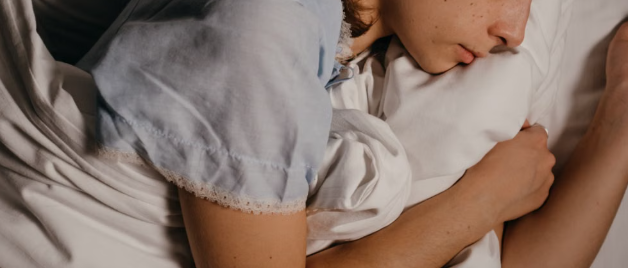
If You Drool in Your Sleep, Here’s What It Could Mean
Waking up with a wet pillow or noticing that you drool while sleeping can be embarrassing, but it is actually a common experience for many people. Occasional drooling during sleep is usually harmless and may simply happen because your mouth relaxes while you rest.
However, frequent or excessive drooling at night can sometimes be linked to certain sleep habits, nasal problems, medication effects, or underlying health conditions.
Understanding why drooling happens can help you determine whether it is a normal part of sleep or something worth discussing with a healthcare professional.
Why Do People Drool While Sleeping?
During sleep, the muscles in your face, jaw, and throat naturally relax. This includes the muscles that help keep saliva inside your mouth.
Your body continues producing saliva while you sleep, but your ability to swallow decreases compared with when you are awake. If saliva collects faster than you can swallow it, it may leak out of your mouth.
Several factors can increase the likelihood of nighttime drooling, including:
- Sleeping position
- Nasal congestion
- Mouth breathing
- Sleep quality
- Certain medications
- Medical conditions affecting swallowing or muscle control
1. Your Sleeping Position May Be the Reason
One of the most common causes of drooling during sleep is your sleeping position.
People who sleep on their side or stomach are more likely to drool because gravity can cause saliva to move toward the edge of the mouth.
When sleeping on your back, saliva is more likely to remain inside the mouth and be swallowed naturally.
What You Can Try
If drooling bothers you, consider:
- Adjusting your sleeping position
- Using a supportive pillow to encourage back sleeping
- Keeping your head slightly elevated
Changing sleep position may reduce drooling for some people.
2. Mouth Breathing Due to Nasal Congestion
A blocked nose can make it difficult to breathe through your nose, causing you to breathe through your mouth instead.
When your mouth remains open during sleep, saliva can escape more easily.
Common Causes of Nasal Congestion
Mouth breathing may occur because of:
- Allergies
- Colds
- Sinus problems
- A deviated nasal septum
- Enlarged nasal tissues
Other signs of nighttime mouth breathing may include:
- Dry mouth when waking
- Snoring
- Bad breath
- Morning throat irritation
Treating the underlying nasal problem may help reduce drooling.
3. Sleep Apnea Could Be a Factor
In some cases, nighttime drooling may be associated with sleep disorders such as obstructive sleep apnea.
Sleep apnea occurs when breathing repeatedly stops and starts during sleep because the airway becomes partially or completely blocked.
People with sleep apnea may experience:
- Loud snoring
- Gasping or choking during sleep
- Morning headaches
- Daytime tiredness
- Difficulty concentrating
- Dry mouth or drooling
Not everyone who drools has sleep apnea, but frequent drooling combined with these symptoms should be evaluated by a healthcare professional.
4. Acid Reflux May Contribute
Gastroesophageal reflux disease (GERD), commonly known as acid reflux, can sometimes affect saliva production.
When stomach acid moves upward into the esophagus, the body may produce extra saliva as a protective response. This increased saliva production, sometimes called water brash, may contribute to drooling in some people.
Other signs of acid reflux include:
- Heartburn
- Sour taste in the mouth
- Throat irritation
- Coughing at night
- Hoarseness
Managing reflux triggers may help reduce related symptoms.
5. Certain Medications Can Increase Drooling
Some medications may affect saliva production or muscle control, potentially leading to increased drooling.
Examples may include certain medicines used for:
- Mental health conditions
- Neurological disorders
- Some infections
- Pain management
If you notice that drooling started after beginning a new medication, speak with your healthcare provider. Do not stop prescribed medication without medical advice.
6. Allergies and Sinus Problems
Allergies can increase mucus production and cause nasal blockage. When breathing through the nose becomes difficult, people may switch to mouth breathing during sleep.
This can make drooling more likely.
Common allergy-related symptoms include:
- Sneezing
- Runny nose
- Itchy eyes
- Nasal congestion
- Postnasal drip
Managing allergies may improve nighttime breathing and reduce drooling.
7. Difficulty Swallowing or Muscle Control Problems
Although less common, excessive drooling can sometimes occur when a person has difficulty controlling saliva or swallowing properly.
Conditions affecting the nervous system may interfere with the muscles involved in swallowing.
Possible warning signs include:
- Trouble swallowing food or liquids
- Changes in speech
- Facial weakness
- Sudden drooling that is new or severe
- Loss of coordination
If drooling appears suddenly or occurs with neurological symptoms, seek medical attention promptly.
Is Drooling During Sleep Normal?
For many people, occasional drooling is completely normal.
It may happen because of:
- Deep sleep
- Relaxed facial muscles
- Sleeping on your side
- Temporary nasal congestion
However, frequent, heavy drooling that begins suddenly or occurs with other symptoms may require further evaluation.
How to Reduce Drooling While Sleeping
If nighttime drooling is bothersome, these strategies may help:
Improve Nasal Breathing
Keeping nasal passages clear may reduce mouth breathing.
Helpful steps may include:
- Treating allergies appropriately
- Using a humidifier if air is dry
- Staying hydrated
- Discussing persistent congestion with a healthcare provider
Adjust Your Sleep Position
Sleeping on your back may help prevent saliva from escaping.
Practice Good Sleep Habits
Better sleep quality may reduce restless sleeping patterns that contribute to mouth opening.
Try:
- Maintaining a regular sleep schedule
- Creating a comfortable sleep environment
- Limiting caffeine close to bedtime
Manage Underlying Conditions
If drooling is linked to allergies, reflux, or sleep apnea, addressing the underlying issue may improve symptoms.
When Should You Talk to a Doctor?
Occasional drooling usually does not require medical attention. However, you should consider speaking with a healthcare professional if you experience:
- Sudden onset of excessive drooling
- Difficulty swallowing
- Choking episodes during sleep
- Loud snoring with breathing pauses
- Facial weakness
- Changes in speech
- New neurological symptoms
- Drooling that significantly affects daily life
A healthcare provider can help identify the cause and recommend appropriate treatment.
Frequently Asked Questions
Does drooling while sleeping mean something is wrong?
Not always. Many healthy people drool occasionally during sleep due to sleeping position, relaxed muscles, or mouth breathing.
Is drooling a sign of sleep apnea?
It can occur alongside sleep apnea, but drooling alone does not mean you have the condition. Other symptoms, such as loud snoring and breathing interruptions, are more concerning.
How can I stop drooling at night?
Improving nasal breathing, changing sleep position, and addressing conditions like allergies or reflux may help reduce nighttime drooling.
Why do I wake up with a wet pillow?
A wet pillow may simply be caused by saliva leaking from your mouth during sleep. If it happens frequently, consider factors such as sleep position, congestion, or other symptoms.
Conclusion
Drooling during sleep is usually a harmless and common occurrence caused by relaxed muscles, sleeping position, or temporary breathing changes. For many people, simple adjustments such as changing sleep position or improving nasal breathing can help.
However, frequent or excessive drooling may sometimes point to issues such as sleep apnea, acid reflux, medication effects, or swallowing difficulties. Paying attention to other symptoms can help determine whether it is a normal sleep habit or something that needs medical evaluation.
If nighttime drooling is new, severe, or accompanied by other health changes, consult a healthcare professional for proper guidance.
