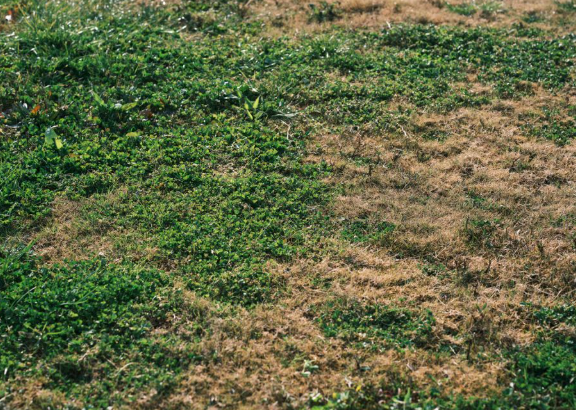
How to Make a Homemade Herbicide for Managing Weeds
Weeds are a common challenge for gardeners, homeowners, and anyone who wants to maintain a clean outdoor space. They can appear in garden beds, cracks in sidewalks, driveways, patios, and around fences, competing with desirable plants for water, nutrients, and sunlight.
While many commercial weed-control products are available, some people prefer homemade options made from simple household ingredients. A homemade herbicide can help manage unwanted plants in specific areas, but it is important to understand how these mixtures work and where they should be used.
Most homemade weed solutions are non-selective, meaning they can harm almost any plant they touch. Careful application is essential to avoid damaging grass, flowers, vegetables, and other desirable vegetation.
What Is a Homemade Herbicide?
A homemade herbicide is a weed-control solution created using common ingredients rather than store-bought chemical formulations.
These mixtures generally work by:
- Drying out plant leaves
- Damaging surface plant tissue
- Disrupting moisture balance
- Reducing the weed’s ability to continue growing
Unlike some commercial herbicides that are designed for specific types of weeds, homemade mixtures usually do not distinguish between unwanted and wanted plants.
Simple Homemade Herbicide Recipe
A commonly used homemade weed-control solution requires only a few ingredients.
Ingredients:
- 1 gallon white vinegar
- 1 cup salt
- 1 tablespoon liquid dish soap
How Each Ingredient Works
White Vinegar
Vinegar contains acetic acid, which can damage plant cells and remove moisture from weed leaves.
Household vinegar is usually less concentrated than professional weed-control products, so results may vary depending on the weed type and growing conditions.
Salt
Salt can dehydrate plants and interfere with their ability to take up water.
However, salt can remain in soil and may prevent future plant growth, so it should be used cautiously.
Dish Soap
Dish soap helps the solution stick to the surface of leaves, allowing the vinegar mixture to remain in contact with the plant longer.
How to Make the Weed-Control Solution
Follow these steps:
- Pour the vinegar into a large container.
- Add the salt and stir until it dissolves.
- Add the dish soap last.
- Mix gently to avoid creating excessive foam.
- Transfer the mixture into a labeled spray bottle or garden sprayer.
Store the mixture safely and clearly mark the container to prevent accidental use for other purposes.
How to Apply Homemade Herbicide
For better results, apply the solution correctly.
Choose the Right Weather
The best conditions are:
- Warm temperatures
- Dry weather
- Several hours without rain
Rain shortly after application may reduce effectiveness by washing away the solution.
Spray Directly on Weed Leaves
Apply the mixture only to the weeds you want to remove.
Avoid spraying:
- Flowers
- Vegetable plants
- Grass
- Shrubs
- Young trees
Focus on Small Weeds
Young weeds are usually easier to manage because they have smaller root systems.
Large, established weeds may survive and require additional methods of control.
Best Places to Use Homemade Herbicide
Homemade weed solutions are generally better suited for areas where plant growth is unwanted.
Good locations include:
- Sidewalk cracks
- Driveways
- Gravel paths
- Patio edges
- Fence lines
- Empty areas around buildings
Avoid using salt-based mixtures in areas where you want healthy soil for future planting.
Areas Where You Should Avoid Using It
Because homemade herbicides can affect many types of plants, avoid applying them near:
- Vegetable gardens
- Flower beds
- Lawns
- Fruit trees
- Decorative plants
Even small amounts can damage nearby vegetation.
Natural Weed-Control Alternatives
A homemade herbicide is only one option for managing weeds. Several other methods can provide long-term control.
Mulching
Mulch blocks sunlight and reduces the space available for weeds to grow.
Common mulch materials include:
- Wood chips
- Straw
- Compost
- Leaves
Mulching also helps maintain soil moisture and improve garden conditions.
Hand Removal
Pulling weeds by hand remains one of the most reliable methods.
Tips for better results:
- Remove weeds after rainfall when soil is softer
- Pull slowly to remove roots
- Remove weeds before they produce seeds
Boiling Water
Boiling water can damage weed tissues and is useful for small weeds growing in:
- Walkways
- Driveways
- Pavement cracks
Use caution to avoid burns and prevent contact with nearby plants.
Improving Lawn Health
A healthy lawn naturally reduces weed growth by creating competition for space and nutrients.
Helpful lawn-care habits include:
- Mowing at the correct height
- Watering appropriately
- Improving soil quality
- Fertilizing when needed
Common Mistakes to Avoid
Using Too Much Salt
Adding extra salt does not necessarily improve results and can cause long-lasting soil problems.
Spraying During Windy Weather
Wind can carry the mixture onto nearby plants.
Applying Before Rain
Rain can reduce the solution’s effectiveness.
Treating Large Areas
Large-scale application can damage soil and surrounding vegetation.
How Long Does Homemade Herbicide Take to Work?
Results depend on:
- Weed type
- Weather conditions
- Vinegar concentration
- Plant maturity
Some weeds may show signs of damage within hours, while others may take several days or require repeated treatment.
Deep-rooted weeds may return because the roots remain alive beneath the soil.
Frequently Asked Questions
Is homemade herbicide safe for gardens?
No. Vinegar and salt mixtures can damage garden plants and affect soil quality, so they should be used only in areas where plant growth is unwanted.
Can homemade weed killer replace commercial products?
It depends on the situation. Homemade solutions may work for small areas and surface weeds but may not be effective for every weed problem.
Will vinegar kill weeds permanently?
Vinegar can damage weed leaves, but many weeds may regrow if their roots survive.
Can I use homemade herbicide on grass?
No. These mixtures can kill grass along with weeds.
Final Thoughts
Making a homemade herbicide can be a simple way to manage weeds in areas such as sidewalks, driveways, and other places where plants are not desired. Ingredients like vinegar, salt, and dish soap are commonly used because they are easy to find and simple to apply.
However, homemade weed solutions should be used carefully. They can damage helpful plants, affect soil health, and are not always a permanent solution for deep-rooted weeds.
For lasting weed management, the best approach combines targeted treatments with prevention methods such as mulching, regular maintenance, and healthy landscaping practices.
