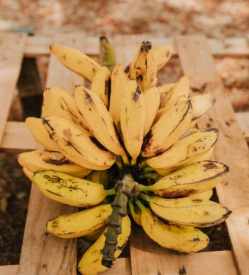
How to Keep Bananas Fresh for Longer Without Them Turning Brown
Bananas are one of the most popular fruits in the world. They’re affordable, naturally sweet, packed with nutrients, and perfect for quick breakfasts, smoothies, snacks, and desserts. However, many people face the same frustrating problem: bananas seem to go from perfectly yellow to brown and overripe almost overnight.
The good news is that with a few simple storage tricks, you can slow down the ripening process and keep your bananas fresh for much longer.
Whether you buy bananas for your family, meal prep, or simply want to reduce food waste, these easy tips can help extend their freshness and maintain their delicious flavor.
Why Do Bananas Turn Brown So Quickly?
To understand how to keep bananas fresh, it helps to know why they ripen so fast.
Bananas naturally release a plant hormone called ethylene gas. This gas helps fruits ripen, but it also speeds up the aging process.
As bananas ripen:
- The peel changes from green to yellow.
- The fruit becomes softer.
- Natural sugars increase.
- Brown spots begin to appear.
- The texture becomes mushier.
While brown bananas are still safe to eat and excellent for baking, many people prefer to keep bananas firm and yellow for as long as possible.
1. Separate Bananas From the Bunch
One of the easiest ways to slow down ripening is to separate bananas after bringing them home.
Bananas stored together release ethylene gas near each other, which can encourage faster ripening.
Try this:
- Gently separate each banana from the bunch.
- Store them individually.
- Keep them away from other ripe fruits.
This small change can help your bananas stay fresh longer.
2. Wrap the Banana Stems
A popular method for extending banana freshness is covering the stems.
The stem is one of the main areas where ethylene gas escapes.
You can wrap the stems with:
- Plastic wrap
- Reusable silicone wraps
- Beeswax wraps
This may help slow the release of ethylene and delay browning.
For even better results, wrap the stems after separating individual bananas.
3. Store Bananas Away From Heat and Sunlight
Temperature plays an important role in how quickly bananas ripen.
Avoid keeping bananas:
- Near ovens
- On top of refrigerators
- In direct sunlight
- Near heating appliances
Instead, store them in a cool, dry place with good airflow.
A kitchen counter away from heat sources is usually a good choice.
4. Use a Banana Hanger
A banana hanger is not just a decorative kitchen accessory—it can actually help protect your fruit.
When bananas sit on a countertop, the bottom side can develop pressure marks that speed up softening.
Hanging bananas allows air to circulate around the fruit and reduces bruising.
5. Refrigerate Ripe Bananas
Many people avoid putting bananas in the refrigerator because the peel turns dark.
However, refrigeration can slow the ripening process.
A useful trick:
- Keep green or slightly yellow bananas at room temperature.
- Move fully ripe bananas to the refrigerator.
The peel may become brown or dark, but the inside can remain fresh for several more days.
6. Keep Bananas Away From Other Fruits
Some fruits produce large amounts of ethylene gas, including:
- Apples
- Pears
- Avocados
- Tomatoes
Storing bananas next to these fruits can speed up ripening.
If you want bananas to last longer, give them their own space.
7. Buy Bananas at Different Ripening Stages
Instead of buying one large bunch that ripens all at once, consider choosing bananas at different stages.
For example:
- A few green bananas for later in the week
- A few yellow bananas ready to eat now
This creates a steady supply of fresh fruit and reduces waste.
8. Freeze Overripe Bananas for Later
If your bananas are already turning brown, don’t throw them away.
Overripe bananas are often sweeter and perfect for:
- Smoothies
- Banana bread
- Pancakes
- Muffins
- Ice cream alternatives
To freeze bananas:
- Peel the bananas.
- Slice them into pieces.
- Place them in a freezer-safe bag or container.
- Store them in the freezer.
Frozen bananas can last for several months and are incredibly useful in recipes.
9. Handle Bananas Carefully
Bruising can speed up browning.
Avoid:
- Dropping bananas
- Placing heavy items on top of them
- Carrying them loosely in crowded bags
Small damaged areas often become brown spots quickly.
10. Keep the Peel Intact Until You’re Ready to Eat
Once a banana is peeled, it begins to oxidize quickly.
For the longest freshness:
- Keep bananas unpeeled.
- Peel only when you’re ready to eat them.
- Store cut bananas properly if needed.
How to Store Cut Bananas Without Browning
If you need to prepare banana slices ahead of time, you can slow browning.
Try these methods:
Add Lemon Juice
A small amount of lemon juice can help slow oxidation.
Use only a little to avoid changing the flavor.
Store in an Airtight Container
Reducing air exposure helps preserve the color and texture.
Refrigerate Immediately
Cold temperatures slow down the browning process.
Common Banana Storage Mistakes
Putting Green Bananas in the Refrigerator
Cold temperatures can interrupt normal ripening and may affect texture.
Wait until bananas are ripe before refrigerating.
Keeping Bananas in a Closed Bag
A sealed bag traps ethylene gas and moisture, which can speed up spoilage.
Allow airflow around your bananas.
Washing Bananas Before Storage
Moisture can encourage faster deterioration.
Wash bananas just before eating instead.
Throwing Away Brown Bananas
Brown bananas are not automatically spoiled.
They are often sweeter and ideal for baking.
How to Tell If a Banana Has Gone Bad
Brown spots are usually normal, but signs of spoilage include:
- Mold on the peel or fruit
- A fermented smell
- Leaking liquid
- Extremely slimy texture
- Unusual discoloration inside
When in doubt, use your senses before eating.
Frequently Asked Questions
Do bananas last longer in the refrigerator?
Yes. Refrigerating ripe bananas can extend the freshness of the fruit inside, although the peel may darken.
Does wrapping banana stems really work?
Wrapping stems may help slow ethylene release and can delay ripening, especially when combined with proper storage.
Can I eat bananas with brown spots?
Yes. Brown spots often indicate that the banana is becoming sweeter and softer. They are commonly used in baking recipes.
How long do bananas usually last?
Depending on storage conditions, bananas may last anywhere from a few days to over a week. Proper storage can significantly slow the ripening process.
Final Thoughts
Keeping bananas fresh for longer doesn’t require expensive tools or complicated methods. Simple habits—such as separating bananas, protecting the stems, storing them away from heat, and refrigerating ripe fruit—can make a noticeable difference.
Instead of watching your bananas turn brown too quickly, use these easy tricks to enjoy fresh, flavorful fruit for longer and reduce unnecessary food waste.
A little extra care can help you get more value from every bunch of bananas you bring home.
