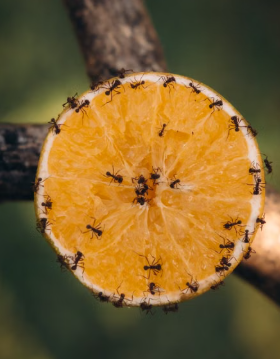
How to Get Rid of Ants in Your House and Garden Naturally
Ants are among the most common household and garden pests. While a few ants may seem harmless, they can quickly multiply into large colonies that invade your kitchen, pantry, yard, or flower beds. Besides contaminating food, some species can damage plants, protect aphids that harm your garden, or even build nests inside walls and foundations.
The good news is that you don’t have to rely on harsh chemicals to solve the problem. There are many safe, effective, and environmentally friendly methods to eliminate ants naturally while preventing them from coming back.
Why Are Ants Invading Your Home?
Understanding what attracts ants is the first step toward getting rid of them.
Common reasons ants enter homes include:
- Food crumbs on floors or countertops
- Sugary spills
- Pet food left out
- Dirty dishes in the sink
- Moisture from leaking pipes
- Garbage that’s not sealed properly
- Easy access through cracks and gaps
Ants leave behind scent trails that guide other ants to food sources. Once a trail is established, hundreds of ants may follow it.
Common Types of Household Ants
Different ant species behave differently, but most can be controlled using similar natural methods.
Sugar Ants
These ants are attracted to sweets, fruit, syrup, and sugary drinks.
Carpenter Ants
Carpenter ants tunnel through damp or decaying wood. Although they don’t eat wood like termites, they can weaken wooden structures over time.
Pavement Ants
Often found nesting beneath sidewalks, driveways, and foundations.
Odorous House Ants
These ants release an unpleasant smell when crushed and commonly invade kitchens.
Signs You Have an Ant Infestation
Look for these warning signs:
- Long trails of ants indoors
- Ants around sinks or pet bowls
- Small piles of soil near walls
- Ant nests in flower beds
- Sawdust-like material from carpenter ants
- Ants appearing daily despite cleaning
The sooner you address the issue, the easier it is to control.
Natural Ways to Get Rid of Ants Indoors
1. White Vinegar Solution
White vinegar is one of the most effective natural ant repellents.
How to Use
Mix:
- 1 cup white vinegar
- 1 cup water
Spray along:
- Windows
- Doorways
- Countertops
- Baseboards
- Ant trails
The vinegar removes the ants’ scent trails, making it harder for other ants to follow.
Repeat daily until activity stops.
2. Lemon Juice
The acidity in lemon juice disrupts ant trails.
Squeeze fresh lemon juice around:
- Entry points
- Windowsills
- Kitchen counters
- Door frames
You can also mix lemon juice with water for a natural spray.
3. Cinnamon
Ants dislike the strong scent of cinnamon.
Sprinkle ground cinnamon around:
- Entry points
- Cabinets
- Pantry shelves
- Windows
You can also use cinnamon essential oil diluted with water as a spray.
4. Peppermint Oil
Peppermint oil is a natural insect repellent.
Mix:
- 10–15 drops peppermint essential oil
- 1 cup water
Spray:
- Doorways
- Windows
- Baseboards
- Kitchen corners
The refreshing scent is pleasant for people but discourages ants.
5. Diatomaceous Earth
Food-grade diatomaceous earth is made from fossilized algae and can help control crawling insects by damaging their outer coating, causing them to dehydrate.
Sprinkle a thin layer around:
- Entry points
- Baseboards
- Under sinks
- Around foundations
Use only food-grade diatomaceous earth, not the type intended for pool filters. Keep the powder dry, and avoid inhaling the dust during application.
6. Baking Soda and Sugar
A mixture of baking soda and powdered sugar can be used as a homemade bait. The sugar attracts ants, while the baking soda is intended to interfere with them after they consume it. However, evidence for this method is mixed, so results may vary.
Mix equal parts of:
- Baking soda
- Powdered sugar
Place small amounts near ant trails, but keep the mixture away from children and pets.
7. Boiling Water (For Outdoor Nests)
If you locate a visible outdoor ant mound away from desirable plants, carefully pouring boiling water directly into the nest may reduce the colony. This method can also harm nearby vegetation and may not eliminate the entire colony if it has multiple chambers.
How to Get Rid of Ants in the Garden Naturally
Garden ants are not always harmful, but they often protect aphids because they feed on the sugary substance (honeydew) that aphids produce. Reducing aphids can also reduce ant activity.
Remove Aphids
Spray plants with a strong stream of water or use insecticidal soap labeled for aphids. As aphid populations decline, ants have less reason to stay.
Sprinkle Cinnamon Around Plants
Create a barrier around flower beds and containers.
Replace after rain.
Coffee Grounds
Used coffee grounds are commonly suggested as a deterrent around garden beds. Scientific evidence is limited, but some gardeners find them helpful. Avoid piling them too thickly, as dense layers can affect soil and water movement.
Plant Natural Repellents
Certain aromatic plants may help discourage ants in some situations.
Good choices include:
- Mint
- Lavender
- Rosemary
- Thyme
- Sage
These herbs also attract beneficial pollinators.
Keep Garden Beds Clean
Remove:
- Fallen fruit
- Dead leaves
- Excess mulch
- Rotting wood
Reducing food and nesting sites makes your garden less inviting.
Seal Entry Points
Stopping ants from entering is just as important as removing them.
Inspect your home for:
- Cracks in walls
- Gaps around pipes
- Window frames
- Door frames
- Foundation cracks
Seal openings with caulk or weather stripping where appropriate.
Keep Your Kitchen Ant-Free
Follow these habits daily:
- Wipe countertops after meals.
- Sweep floors regularly.
- Store dry goods in airtight containers.
- Empty indoor trash frequently.
- Wash dishes promptly.
- Clean up sugary spills immediately.
- Avoid leaving pet food out for long periods.
Consistency greatly reduces the chances of attracting ants.
Natural Ant Prevention Tips
Prevent future infestations by:
- Fixing leaking faucets and pipes
- Trimming tree branches that touch your house
- Storing firewood away from the foundation
- Keeping outdoor trash bins tightly closed
- Cleaning recycling containers before storing them
- Reducing standing water around your property
What Not to Do
Avoid these common mistakes:
- Spraying random chemicals without identifying the problem
- Ignoring a carpenter ant infestation, which can indicate moisture-damaged wood
- Leaving food uncovered overnight
- Failing to clean ant trails after removing visible ants
- Assuming one treatment will solve every infestation
Natural methods often require repeated applications and good sanitation.
When to Call a Professional
Consider contacting a pest control professional if:
- Ants continue returning despite repeated efforts
- You suspect carpenter ants are nesting inside your home
- You find multiple large colonies
- Ants are invading electrical equipment
- The infestation becomes widespread or difficult to manage
A professional can identify the species and recommend the most effective treatment plan.
Frequently Asked Questions
What smell do ants hate the most?
Many ants avoid strong scents such as peppermint, cinnamon, vinegar, and citrus. While these odors may disrupt trails or discourage activity, their effectiveness can vary by species.
Does vinegar permanently kill ants?
No. Vinegar mainly removes scent trails and repels ants from treated areas. It does not eliminate the entire colony.
Are natural remedies safe for pets?
Some are safer than others. Vinegar and diluted lemon juice are generally low risk when used appropriately, but many essential oils—including peppermint—can be harmful to pets if ingested or used improperly. Always follow product safety guidance and keep pets away until treated surfaces are dry.
Why do ants keep coming back?
Ants return when food, moisture, or nesting opportunities remain available, or when the colony has not been eliminated. Cleaning, sealing entry points, and addressing the source of the infestation are all important.
How long does it take to get rid of ants naturally?
Small infestations may improve within a few days with consistent treatment. Larger colonies often require several weeks of repeated cleaning, trail disruption, and prevention measures.
Final Thoughts
Getting rid of ants naturally is possible with patience, consistency, and a combination of effective strategies. Cleaning up food sources, sealing entry points, and using natural deterrents like vinegar, lemon juice, cinnamon, and food-grade diatomaceous earth can significantly reduce ant activity without relying on harsh chemicals.
For your garden, keeping plants healthy, managing aphids, removing debris, and maintaining a tidy outdoor space can make the area far less attractive to ants. If natural methods don’t resolve the problem or you suspect carpenter ants or another structural pest, it’s wise to seek professional advice.
By combining prevention with targeted natural treatments, you can protect both your home and garden while creating a cleaner, more comfortable environment year-round.
