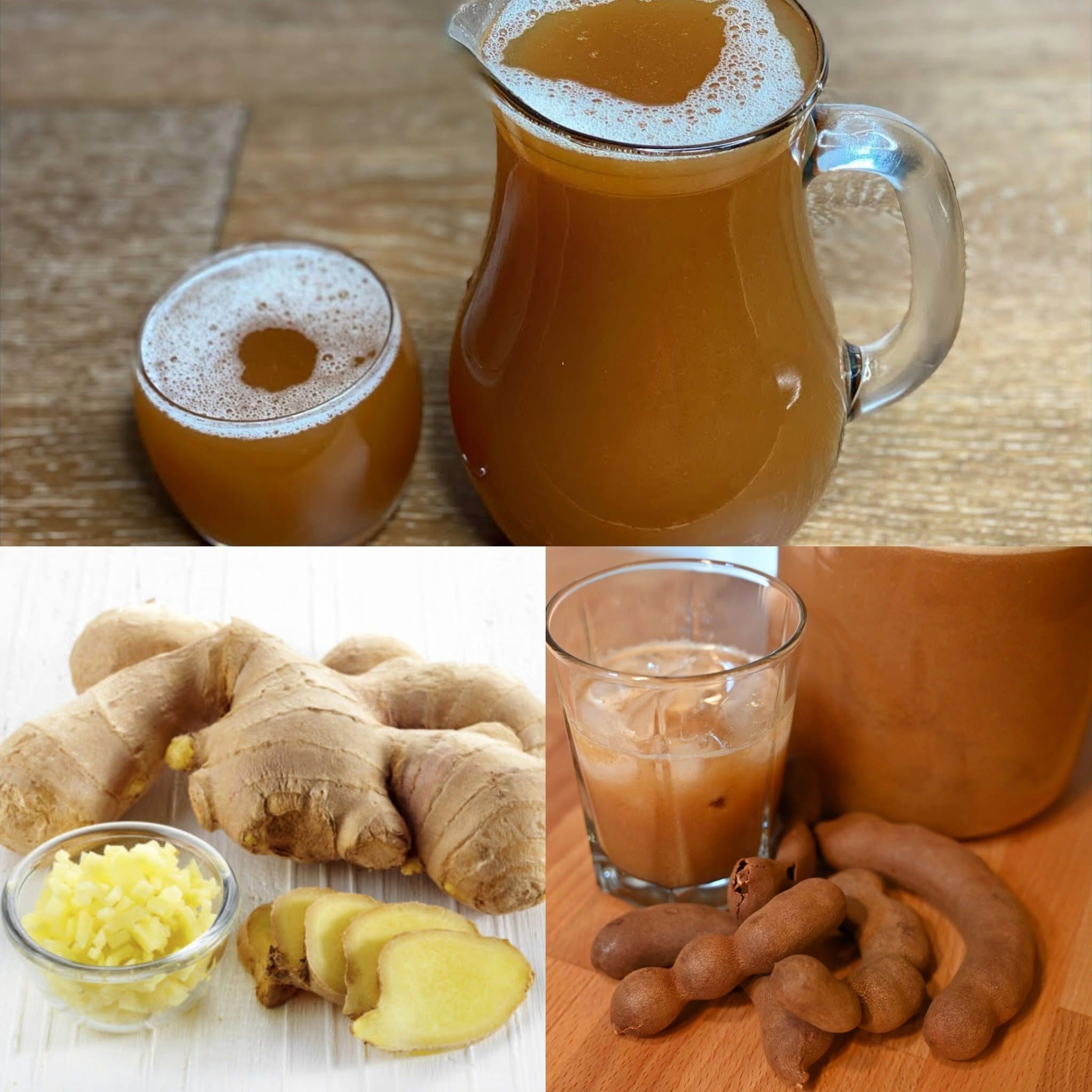
Healthy Drinks That May Help Reduce Bloating: Natural Beverages for Better Digestive Comfort
Bloating is a common digestive complaint that can leave you feeling uncomfortable, sluggish, or overly full. It often occurs when excess gas builds up in the digestive tract or when the body temporarily retains fluid. While bloating is usually harmless and short-lived, it can sometimes interfere with daily activities and overall comfort.
The good news is that certain beverages may help support healthy digestion, encourage proper hydration, and reduce occasional bloating when combined with a balanced diet and healthy lifestyle. However, it’s important to remember that no drink can instantly eliminate bloating, and persistent or severe symptoms should be evaluated by a healthcare professional.
In this article, we’ll explore healthy drinks that may help reduce bloating, why they work, and simple lifestyle tips to support digestive health.
What Causes Bloating?
Bloating can happen for many reasons, including:
- Eating too quickly
- Swallowing excess air
- Overeating
- Consuming high-sodium foods
- Eating large amounts of gas-producing foods
- Food intolerances, such as lactose intolerance
- Constipation
- Hormonal changes
- Certain digestive conditions, including irritable bowel syndrome (IBS)
Understanding the underlying cause can help you choose the most effective strategies for relief.
1. Water
Plain water is one of the best drinks for reducing bloating.
Although it may seem surprising, drinking enough water can actually help reduce fluid retention and support healthy digestion.
Potential Benefits
- Supports normal digestion
- Helps prevent dehydration
- May reduce temporary water retention
- Promotes regular bowel movements
- Supports overall body function
Aim to drink water consistently throughout the day rather than waiting until you feel thirsty.
2. Peppermint Tea
Peppermint tea is a popular herbal beverage often used to support digestive comfort.
Some research suggests peppermint may help relax the muscles of the digestive tract, which could ease occasional bloating and gas in some people.
Best For
- Mild digestive discomfort
- Occasional gas
- Feeling overly full after meals
People with frequent acid reflux may find peppermint worsens their symptoms, so it may not be suitable for everyone.
3. Ginger Tea
Ginger has been used traditionally to support digestion for centuries.
Studies suggest ginger may help promote normal stomach emptying and reduce feelings of fullness in some individuals.
Possible Benefits
- Supports digestion
- May reduce nausea
- May help relieve occasional bloating
- Provides natural warmth and flavor
To make ginger tea:
- Slice fresh ginger root.
- Simmer in hot water for about 10 minutes.
- Strain and enjoy.
4. Fennel Tea
Fennel seeds have long been used in traditional herbal practices to support digestive health.
Some people find fennel tea helpful for occasional gas and bloating, although more research is needed to confirm its effectiveness.
5. Chamomile Tea
Chamomile tea is well known for its calming properties.
It may also support digestion and help relax the digestive system, making it a soothing choice after meals.
Potential benefits include:
- Promoting relaxation
- Supporting healthy digestion
- Helping ease mild digestive discomfort
6. Lemon Water
Adding fresh lemon to water can make hydration more enjoyable.
Although lemon water is often promoted as a “detox” drink, there is no scientific evidence that it detoxifies the body. However, staying hydrated supports normal digestive function and overall health.
Try:
- Warm water with fresh lemon slices
- Cold lemon water with mint leaves
7. Green Tea
Green tea contains natural antioxidants called catechins that support overall health.
Some people find green tea refreshing after meals, and its moderate caffeine content may help stimulate digestion in certain individuals.
Choose unsweetened varieties to avoid excess added sugar.
8. Coconut Water
Coconut water naturally contains electrolytes such as potassium, which plays a role in maintaining fluid balance.
For some people, staying well hydrated may help reduce temporary bloating related to mild dehydration.
Choose unsweetened coconut water without added sugars.
9. Cucumber-Infused Water
Cucumber has a high water content and adds a refreshing flavor to plain water.
Infused water encourages hydration, which supports digestion and may help reduce temporary fluid retention.
For extra flavor, combine cucumber with:
- Mint
- Lemon
- Lime
10. Smoothies with Fiber
A balanced smoothie made with whole fruits and vegetables provides fiber, which supports regular bowel movements and digestive health.
Consider blending:
- Spinach
- Banana
- Berries
- Plain yogurt
- Oats
- Chia seeds
If you’re not used to eating much fiber, increase your intake gradually and drink plenty of water to reduce the chance of increased gas.
Drinks That May Contribute to Bloating
Some beverages may make bloating worse in certain individuals.
These include:
Carbonated Drinks
Soft drinks and sparkling beverages introduce extra gas into the digestive tract, which may increase bloating.
Sugary Drinks
Large amounts of added sugar can contribute to digestive discomfort in some people.
Alcohol
Alcohol may contribute to dehydration and digestive irritation in some individuals.
Artificially Sweetened Drinks
Some sugar substitutes, such as sorbitol and xylitol, may cause gas and bloating in sensitive people.
Healthy Habits to Help Prevent Bloating
Drinks alone are not the only solution. These habits may also help:
- Eat slowly and chew thoroughly.
- Avoid overeating.
- Stay physically active.
- Drink enough water throughout the day.
- Limit very salty foods.
- Increase fiber gradually.
- Identify any food intolerances with the help of a healthcare professional.
- Manage stress through relaxation techniques.
Common Myths About Bloating
Myth: Detox drinks remove bloating instantly.
Fact: The body naturally detoxifies itself through the liver and kidneys. No beverage has been proven to “detox” the body or instantly eliminate bloating.
Myth: Carbonated water always causes bloating.
Fact: Some people tolerate sparkling water well, while others notice increased gas. Individual responses vary.
Myth: More fiber always means less bloating.
Fact: Fiber supports digestive health, but increasing it too quickly may temporarily increase gas and bloating.
When Should You See a Doctor?
Occasional bloating is common, but medical evaluation is important if bloating is:
- Severe
- Persistent
- Frequently recurring
- Accompanied by significant abdominal pain
- Associated with unexplained weight loss
- Accompanied by blood in the stool
- Linked to persistent vomiting or fever
These symptoms may indicate an underlying condition that requires medical attention.
Frequently Asked Questions
What is the best drink for bloating?
Plain water is one of the best choices because proper hydration supports healthy digestion and may help reduce temporary fluid retention. Herbal teas such as peppermint or ginger may also provide digestive comfort for some people.
Can coffee help with bloating?
Coffee may stimulate bowel movements in some individuals, but it can also cause digestive discomfort or worsen bloating in others. Responses vary from person to person.
Does lemon water burn belly fat?
No. There is no scientific evidence that lemon water specifically burns body fat. However, replacing sugary beverages with water can support a healthy lifestyle.
Are probiotic drinks helpful?
Some probiotic beverages may support gut health in certain individuals, but their effects vary depending on the person and the specific probiotic strains they contain.
Final Thoughts
Healthy beverages can play a supportive role in reducing occasional bloating by promoting hydration and digestive wellness. Water remains the best choice for everyday hydration, while herbal teas such as peppermint, ginger, chamomile, and fennel may help some people feel more comfortable after meals.
It’s equally important to focus on overall lifestyle habits, including eating slowly, staying active, consuming a balanced diet, and limiting excess sodium and sugary drinks. While these beverages may help support digestive comfort, they are not a substitute for medical care. If bloating becomes persistent, severe, or is accompanied by other concerning symptoms, consult a healthcare professional for an accurate diagnosis and appropriate treatment.
