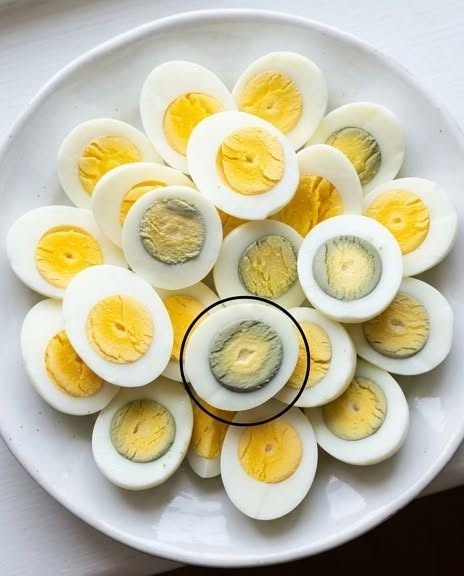
Green Circle on Eggs: What It Means and Why It Matters
Have you ever peeled a hard-boiled egg and noticed a green or grayish-green ring surrounding the yolk? At first glance, it may seem like the egg has gone bad or become unsafe to eat. Fortunately, in most cases, that’s not true.
The green circle around a hard-boiled egg is a common and harmless occurrence that results from a natural chemical reaction during cooking. While it may affect the egg’s appearance slightly, it generally does not indicate spoilage or pose a health risk when the egg has been properly handled and stored.
In this article, we’ll explain why the green ring forms, whether the egg is safe to eat, how to prevent it, and when a discoloration could signal that an egg should be discarded.
What Is the Green Circle Around an Egg?
The green or gray-green ring that sometimes appears around the yolk of a hard-boiled egg is caused by a natural reaction between sulfur and iron.
Here’s what happens:
- Egg whites contain sulfur.
- Egg yolks naturally contain iron.
- During prolonged cooking or excessive heat, sulfur from the white reacts with iron in the yolk.
- This creates a compound called ferrous sulfide, which appears as a green or grayish ring around the yolk.
This reaction affects only the appearance of the egg and is not usually a sign that it is unsafe to eat.
Is an Egg With a Green Ring Safe to Eat?
Yes. In most cases, a hard-boiled egg with a green ring is perfectly safe to eat if:
- The egg was fresh before cooking.
- It was cooked properly.
- It has been refrigerated promptly after cooking.
- It does not have an unusual odor or slimy texture.
The green ring is primarily a cosmetic issue. It does not mean the egg is spoiled, contaminated, or less nutritious.
Why Does the Green Ring Form?
Several factors can increase the likelihood of a green ring forming around the yolk.
1. Overcooking
The most common cause is cooking the egg for too long.
When eggs remain in boiling water for an extended period, the sulfur-iron reaction becomes more pronounced.
2. High Cooking Temperature
Boiling eggs vigorously at a high temperature can also encourage the reaction.
Gentler cooking often produces better-looking eggs.
3. Slow Cooling
After cooking, eggs continue to retain heat.
If they are not cooled quickly, the internal temperature remains high, allowing the sulfur and iron reaction to continue.
Placing cooked eggs in an ice bath helps stop the cooking process.
4. Mineral Content in Water
In some areas, water with a high mineral content may slightly influence how eggs cook, although overcooking remains the primary cause of the green ring.
Does the Green Ring Affect Taste?
A mild green ring usually has little to no effect on flavor.
However, eggs that have been significantly overcooked may develop:
- A slightly stronger sulfur smell
- A drier yolk
- A chalky or crumbly texture
- Less appealing appearance
Proper cooking helps maintain a creamy, tender yolk and a more pleasant taste.
Does the Green Ring Reduce Nutrition?
No. The nutritional value of the egg remains largely unchanged.
Hard-boiled eggs continue to provide important nutrients, including:
- High-quality protein
- Vitamin B12
- Vitamin D
- Choline
- Selenium
- Riboflavin
- Healthy fats
Although prolonged cooking may cause minimal losses of certain heat-sensitive vitamins, the overall nutritional profile remains excellent.
How to Prevent a Green Ring Around Hard-Boiled Eggs
Fortunately, preventing the green circle is simple.
Step 1: Start With Cold Water
Place eggs in a saucepan and cover them with cold water by about one inch.
Step 2: Heat Gradually
Bring the water to a gentle boil rather than a vigorous rolling boil.
Step 3: Remove From Heat
Once the water reaches a boil:
- Turn off the heat.
- Cover the pan.
- Allow the eggs to sit in the hot water.
Typical resting times are:
- 9–10 minutes for medium eggs
- 10–12 minutes for large eggs
- 12–14 minutes for extra-large eggs
Exact timing may vary depending on the size of the eggs and your preferred yolk firmness.
Step 4: Cool Immediately
Transfer the eggs to a bowl of ice water for at least 5–10 minutes.
Rapid cooling stops the cooking process and greatly reduces the chance of a green ring forming.
Fresh Eggs vs. Older Eggs
Many people assume older eggs are more likely to develop the green ring, but overcooking is the main factor.
However, slightly older eggs often have one advantage:
They tend to peel more easily after boiling because the pH of the egg white changes over time.
For hard-boiled eggs, eggs that are about one week old are often easier to peel than very fresh eggs.
When Should You Avoid Eating an Egg?
While a green ring is generally harmless, there are other signs that an egg may no longer be safe to eat.
Discard the egg if you notice:
- A strong, unpleasant sulfur or rotten smell after cracking or peeling
- A slimy or sticky surface
- Mold on the shell
- Significant cracks that occurred before cooking and may have allowed contamination
- Unusual pink, black, green, or iridescent discoloration in the egg white or yolk (not just the thin green ring around the yolk)
When in doubt, it’s safer to throw the egg away.
Proper Storage for Hard-Boiled Eggs
To maintain freshness and food safety:
- Refrigerate hard-boiled eggs within two hours of cooking.
- Store them at or below 40°F (4°C).
- Keep them in a covered container or their original carton if the shells are still on.
- Eat refrigerated hard-boiled eggs within one week.
Avoid leaving cooked eggs at room temperature for extended periods.
Common Myths About the Green Ring
Myth 1: The Egg Is Rotten
Fact: A green ring alone does not mean the egg has spoiled. It is usually caused by overcooking.
Myth 2: The Egg Contains Mold
Fact: The thin green ring is not mold. Mold typically appears as fuzzy or irregular patches and is often accompanied by signs of spoilage.
Myth 3: The Egg Has Lost All Its Nutrients
Fact: While overcooking may slightly affect texture and a small amount of heat-sensitive nutrients, hard-boiled eggs remain a highly nutritious food.
Myth 4: Green-Yolked Eggs Are Unsafe
Fact: If the egg was properly cooked, refrigerated, and shows no signs of spoilage, the green ring itself is not a food safety concern.
Tips for Perfect Hard-Boiled Eggs
If you want consistently smooth, bright yellow yolks:
- Use a timer to avoid overcooking.
- Cook eggs over moderate heat rather than maintaining a vigorous boil.
- Cool eggs immediately in ice water.
- Refrigerate promptly after cooking.
- Peel under cool running water if needed for easier shell removal.
These simple steps can improve both appearance and texture.
Frequently Asked Questions
Can scrambled or fried eggs develop a green ring?
No. The green ring is primarily associated with hard-boiled eggs because the yolk and white remain in close contact during prolonged cooking.
Why do hard-boiled eggs sometimes smell like sulfur?
Eggs naturally contain sulfur compounds. Cooking releases small amounts of sulfur-containing gases, which is why hard-boiled eggs often have a characteristic smell. A mild sulfur odor is normal and does not necessarily indicate spoilage.
Does altitude affect hard-boiled eggs?
Yes. At higher elevations, water boils at a lower temperature, which may require slight adjustments to cooking times to achieve the desired level of doneness.
Final Thoughts
A green circle around the yolk of a hard-boiled egg is a common and harmless result of a natural chemical reaction between sulfur in the egg white and iron in the yolk. In most cases, it simply means the egg was cooked a little too long or cooled too slowly—not that it has spoiled.
By avoiding overcooking and cooling eggs quickly in an ice bath, you can minimize the appearance of the green ring while preserving a tender texture and bright yellow yolk. As always, rely on proper storage practices and watch for true signs of spoilage, such as foul odors, sliminess, or mold, rather than the presence of a harmless green ring.
