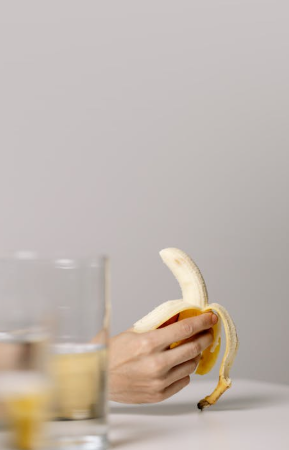
Eating Bananas at Night: What Happens to Your Body?
Bananas are one of the most popular fruits in the world. They are affordable, convenient, naturally sweet, and packed with important nutrients. Many people enjoy bananas as a quick breakfast option, a workout snack, or a healthy addition to smoothies.
But what happens when you eat a banana at night?
Some people believe eating fruit before bed is unhealthy, while others claim that bananas may actually support better sleep and relaxation. The truth lies somewhere in between. Eating a banana at night can affect your body in several ways, depending on your overall diet, health goals, and individual digestion.
Let’s explore what may happen when you eat a banana before bedtime and what you should know.
1. Your Body Gets a Boost of Important Nutrients
A banana provides several nutrients that support normal body functions, even when eaten at night.
A medium banana contains important nutrients such as:
- Potassium
- Magnesium
- Vitamin B6
- Fiber
- Natural carbohydrates
These nutrients play roles in muscle function, nerve activity, energy metabolism, and overall health.
Eating a banana in the evening can be a simple way to add more nutrient-rich foods to your daily routine.
2. It May Support Relaxation and Better Sleep
One reason bananas are often associated with nighttime eating is their content of magnesium, potassium, and vitamin B6.
These nutrients are involved in processes related to normal muscle function and the production of certain compounds in the body that help regulate mood and sleep cycles.
Bananas also contain carbohydrates, which may help some people feel more satisfied before bedtime.
However, it is important to understand that bananas are not a sleep medication. Eating one will not guarantee better sleep, but it can be part of an overall healthy evening routine.
3. It May Help Prevent Nighttime Hunger
If you often feel hungry before bed, a banana may be a better choice than sugary snacks or highly processed foods.
The fiber in bananas can help you feel fuller for longer, while their natural sweetness may satisfy dessert cravings.
A banana can be especially useful for people who:
- Skip dinner or eat early
- Exercise in the evening
- Need a light pre-bed snack
Pairing a banana with a source of protein, such as yogurt or a small amount of nuts, may help create a more balanced snack.
4. It Can Support Digestive Health
Bananas contain dietary fiber, including resistant starch (especially in less ripe bananas), which supports normal digestion.
Fiber helps:
- Maintain regular bowel movements
- Support healthy gut bacteria
- Promote digestive comfort
For some people, eating a banana at night may help support regular digestion.
However, everyone’s digestive system responds differently. Some individuals may experience bloating or discomfort from eating certain foods close to bedtime.
5. It May Affect Blood Sugar Levels
Bananas contain natural sugars and carbohydrates, which can raise blood glucose levels after eating.
For most healthy individuals, this is not a problem. The body naturally manages changes in blood sugar.
However, people with diabetes or blood sugar concerns may need to pay closer attention to portion sizes and how bananas affect their glucose levels.
Factors that influence blood sugar response include:
- Banana ripeness
- Portion size
- What other foods are eaten with it
- Individual metabolism
If you have diabetes, follow your healthcare provider’s advice regarding fruit intake.
6. It Provides Potassium for Muscle Function
Bananas are well known for their potassium content.
Potassium is an essential mineral that helps support:
- Normal muscle contractions
- Nerve signaling
- Fluid balance
Some people choose bananas as an evening snack because they believe potassium may help reduce nighttime muscle cramps.
While maintaining adequate potassium intake is important for muscle health, night cramps can have many causes, including dehydration, overuse, medications, and certain health conditions.
7. It May Not Be Ideal for Everyone Before Bed
Although bananas are healthy for many people, eating one at night may not be comfortable for everyone.
Some people may experience:
Digestive Discomfort
Eating any food too close to bedtime may cause:
- Bloating
- Fullness
- Gas
especially in people with sensitive digestion.
Acid Reflux Symptoms
Some individuals with acid reflux may notice that eating before lying down worsens symptoms.
If you experience nighttime heartburn, it may help to avoid eating close to bedtime.
Extra Calories
A banana is a nutritious food, but it still contains calories. If you are following a calorie-controlled diet, consider how it fits into your daily intake.
Is Eating a Banana Before Bed Good for Weight Loss?
A common question is whether nighttime bananas cause weight gain.
The answer depends on your total daily calorie intake—not the time you eat the banana.
Weight gain occurs when you consistently consume more calories than your body uses.
A banana can fit into a healthy weight management plan because it provides:
- Fiber
- Nutrients
- Natural sweetness
- More satisfaction than many processed snacks
However, eating multiple high-calorie snacks late at night may contribute to excess calorie intake.
The Best Way to Eat a Banana at Night
If you enjoy bananas in the evening, consider these tips:
Choose the Right Portion
One medium banana is usually enough for a nighttime snack.
Pair It With Protein or Healthy Fat
Combining a banana with protein or healthy fats may help keep you satisfied.
Examples:
- Banana with Greek yogurt
- Banana with peanut butter
- Banana with a handful of almonds
Avoid Eating Immediately Before Lying Down
Giving your body some time to digest food may help reduce discomfort.
Who Should Be Careful With Nighttime Banana Consumption?
Most people can enjoy bananas safely, but some individuals may need to consider their health conditions.
Talk with a healthcare professional if you have:
- Kidney disease
- Blood sugar management concerns
- Conditions requiring potassium restriction
People with kidney problems may need to monitor potassium intake because the kidneys help regulate potassium levels in the body.
Common Myths About Eating Bananas at Night
Myth 1: Bananas Before Bed Always Cause Weight Gain
Reality: Weight changes depend on total calorie intake and lifestyle habits, not simply eating a banana at night.
Myth 2: Bananas Immediately Improve Sleep
Reality: Bananas contain nutrients involved in normal body processes related to sleep, but they do not work like a sleep aid.
Myth 3: Everyone Should Avoid Fruit at Night
Reality: Fruit can be part of a healthy diet at any time of day. Individual tolerance and health goals matter more than the clock.
Final Thoughts
Eating a banana at night can provide your body with valuable nutrients, help satisfy hunger, support digestion, and fit into a balanced diet. For many people, it can be a healthy and convenient evening snack.
However, the effects may vary depending on your digestion, health conditions, and personal goals. People with diabetes, kidney disease, or digestive issues may need to be more mindful of their choices.
The best approach is to focus on your overall eating pattern rather than labeling certain foods as “good” or “bad” based only on the time of day.
A banana at night can be a simple, nutritious choice—especially when it fits into a healthy lifestyle.
