Can Bay Leaves Help Your Skin? What the Evidence Says
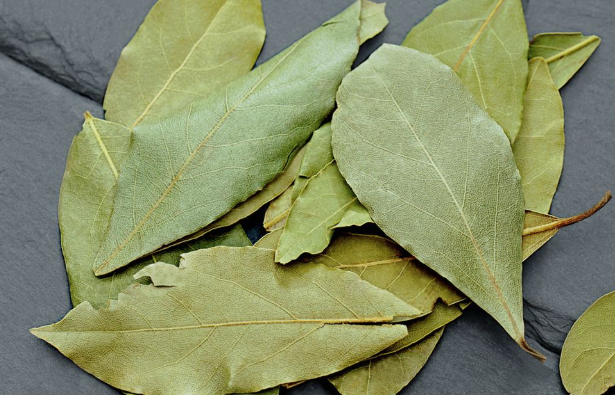
Bay leaves are a popular culinary herb known for adding flavor to soups, stews, and sauces. Beyond the kitchen, they have also been used in traditional medicine for centuries to support digestion, ease inflammation, and promote overall wellness. More recently, bay leaves have gained attention on social media and in DIY beauty routines, with claims that they can improve skin health, reduce acne, slow signs of aging, and brighten the complexion.
But can bay leaves really benefit your skin, or are these claims mostly based on tradition rather than science? While bay leaves contain plant compounds with antioxidant and anti-inflammatory properties, the scientific evidence supporting their direct use for skincare remains limited.
Here’s what current research says about bay leaves and their potential role in maintaining healthy skin.
What Are Bay Leaves?
Bay leaves come from the bay laurel tree (Laurus nobilis), an evergreen plant native to the Mediterranean region. They are rich in naturally occurring compounds, including:
- Antioxidants
- Flavonoids
- Polyphenols
- Essential oils
- Vitamins A and C (in small amounts)
- Minerals such as calcium, potassium, and magnesium
Many of these compounds are being studied for their potential health benefits, including their effects on inflammation and oxidative stress.
How Could Bay Leaves Benefit the Skin?
Although human studies are limited, researchers believe some of the plant compounds in bay leaves may support skin health in several ways.
1. Rich in Antioxidants
Bay leaves contain antioxidants that help neutralize free radicals—unstable molecules that can damage skin cells over time.
Excessive free radical damage may contribute to:
- Premature aging
- Fine lines
- Wrinkles
- Loss of skin elasticity
A diet rich in antioxidant-containing foods supports overall health, including healthy skin, though there is limited evidence that applying bay leaf preparations directly to the skin produces the same effects.
2. May Help Reduce Inflammation
Laboratory studies suggest that certain compounds found in bay leaves have anti-inflammatory properties.
Because inflammation contributes to many common skin concerns, including redness and irritation, these compounds are of scientific interest. However, most evidence comes from laboratory or animal studies rather than clinical trials involving people.
3. Natural Antimicrobial Properties
Some studies have found that bay leaf essential oil shows activity against certain bacteria and fungi in laboratory settings.
This has led to speculation that bay leaf extracts might help with acne-prone skin by reducing microorganisms on the skin’s surface.
However, laboratory findings do not necessarily translate into effective or safe treatments for acne in real-world use, and more research is needed.
4. Supports Overall Skin Health Through Nutrition
When used in cooking as part of a balanced diet, bay leaves contribute small amounts of beneficial plant compounds.
Healthy skin depends on many factors, including:
- Good nutrition
- Adequate hydration
- Quality sleep
- Sun protection
- Proper skincare
No single herb can replace these essential habits.
Can Bay Leaves Treat Acne?
There is no strong clinical evidence showing that bay leaves can treat acne in humans.
Some laboratory research suggests antimicrobial and anti-inflammatory properties, but acne is a complex condition influenced by:
- Excess oil production
- Clogged pores
- Hormonal changes
- Bacteria
- Inflammation
Evidence-based acne treatments, such as benzoyl peroxide, salicylic acid, retinoids, or prescription medications, have much stronger scientific support than DIY bay leaf remedies.
Do Bay Leaves Help Reduce Wrinkles?
Claims that bay leaves erase wrinkles or dramatically tighten the skin are not supported by high-quality research.
While antioxidants found in bay leaves may help protect cells from oxidative stress, there is no reliable evidence that applying bay leaf water or homemade masks can reverse visible signs of aging.
Healthy aging skin is better supported by:
- Daily sunscreen use
- Moisturizing
- Avoiding smoking
- Eating a nutrient-rich diet
- Using evidence-based skincare products when appropriate
Can Bay Leaf Water Brighten the Skin?
Many online beauty tutorials recommend washing the face with bay leaf water.
Currently, there is no clinical evidence proving that bay leaf water lightens dark spots, evens skin tone, or brightens the complexion.
Any temporary glow may simply result from cleansing, hydration, or improved skin care routines rather than a specific effect of bay leaves.
Is Bay Leaf Essential Oil Safe for the Skin?
Bay leaf essential oil is highly concentrated and should never be applied directly to the skin without proper dilution.
Undiluted essential oils may cause:
- Skin irritation
- Burning
- Redness
- Allergic reactions
- Contact dermatitis
If using any essential oil:
- Dilute it with a suitable carrier oil.
- Perform a patch test on a small area of skin first.
- Avoid contact with the eyes and mucous membranes.
- Stop use if irritation develops.
Pregnant individuals, young children, and people with certain medical conditions should consult a healthcare professional before using essential oils.
Are DIY Bay Leaf Face Masks Worth Trying?
Homemade face masks containing bay leaf powder or bay leaf water are popular online, but their effectiveness has not been confirmed in clinical studies.
Potential concerns include:
- Skin irritation
- Allergic reactions
- Inconsistent preparation methods
- Unknown concentration of active compounds
If you have sensitive skin, eczema, rosacea, or other chronic skin conditions, it’s best to be cautious with DIY treatments.
What Does the Research Actually Say?
Current research suggests that bay leaves contain biologically active compounds with antioxidant, antimicrobial, and anti-inflammatory properties in laboratory settings.
However:
- Most studies have been conducted in test tubes or on animals.
- High-quality human clinical trials are lacking.
- There is insufficient evidence to recommend bay leaves as a proven skincare treatment.
More research is needed before firm conclusions can be made.
Better-Established Ways to Support Healthy Skin
While bay leaves may have interesting properties, experts generally recommend focusing on habits that have stronger scientific support.
These include:
Eat a Balanced Diet
Choose foods rich in:
- Fruits
- Vegetables
- Whole grains
- Lean proteins
- Healthy fats
These nutrients support skin repair and overall health.
Stay Hydrated
Adequate hydration supports normal skin function, although drinking extra water alone won’t eliminate wrinkles or acne.
Wear Sunscreen Daily
Protecting your skin from ultraviolet (UV) radiation is one of the most effective ways to prevent premature aging and reduce the risk of skin cancer.
Follow a Gentle Skincare Routine
Use products appropriate for your skin type, including:
- Gentle cleanser
- Moisturizer
- Sunscreen
- Evidence-based treatments if needed
Get Enough Sleep
Quality sleep allows the body to repair tissues and supports overall skin health.
Frequently Asked Questions
Can I wash my face with bay leaf water?
Some people use bay leaf water as part of their skincare routine, but there is no strong scientific evidence that it improves skin health or treats specific skin conditions. If you try it, discontinue use if irritation occurs.
Can bay leaves remove dark spots?
There is no reliable evidence that bay leaves fade hyperpigmentation or dark spots.
Are bay leaves good for eczema?
No high-quality studies support bay leaves as a treatment for eczema. Because eczema involves a weakened skin barrier, applying herbal preparations could worsen irritation in some individuals. Consult a healthcare professional for appropriate management.
Can eating bay leaves improve skin?
Bay leaves are typically removed from dishes before serving, and the amounts used in cooking are small. While they contribute flavor and some plant compounds, no evidence shows that eating bay leaves alone leads to noticeable improvements in skin appearance.
Final Thoughts
Bay leaves contain natural compounds with antioxidant, anti-inflammatory, and antimicrobial properties that make them an interesting subject for scientific research. However, current evidence does not support bay leaves as a proven treatment for acne, wrinkles, dark spots, or other common skin concerns.
If you enjoy cooking with bay leaves, they can be part of a healthy, balanced diet. For skincare, however, it’s wise to rely on practices backed by stronger evidence, such as sun protection, a gentle skincare routine, good nutrition, and, when needed, treatments recommended by a qualified healthcare professional.
