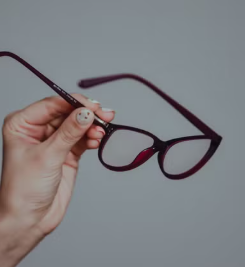
How to Reduce the Appearance of Scratches on Glasses
How to Reduce the Appearance of Scratches on Glasses: Simple Care Tips and Solutions
Scratched glasses can be frustrating, especially when the marks affect your vision or make your lenses look worn out. Whether your glasses are used every day for reading, driving, or general vision correction, small scratches can appear over time due to improper cleaning, accidental drops, or everyday wear.
While many online methods claim to completely remove scratches from eyeglass lenses, the truth is that most scratches cannot be permanently erased without professional lens replacement. However, there are steps you can take to reduce the appearance of minor scratches, prevent further damage, and keep your glasses in better condition.
This article explains what causes scratches, what methods may help, what to avoid, and how to protect your lenses for longer-lasting clarity.
Why Do Glasses Get Scratched?
Eyeglass lenses are designed to be durable, but they are not completely scratch-proof. Several everyday habits can create small marks over time.
Common causes include:
- Cleaning lenses with rough materials
- Placing glasses lens-side down
- Carrying glasses without a protective case
- Exposure to dust and dirt
- Using harsh cleaning chemicals
- Storing glasses in bags without protection
Even tiny particles of dust can act like sandpaper when rubbed across the lens surface.
Can Scratches Be Completely Removed From Glasses?
The answer depends on the type and depth of the scratch.
Minor Surface Marks
Very light marks may become less noticeable with proper cleaning and care. Sometimes what appears to be a scratch is actually:
- Dirt buildup
- Smudges
- Damaged lens coating
Cleaning the lenses correctly may improve the appearance.
Deep Scratches
Deep scratches that affect the lens material usually cannot be removed at home. Attempting to polish them away may damage protective coatings or affect the optical quality of the lenses.
For significant scratches, replacing the lenses is often the safest solution.
Step 1: Clean Your Glasses Properly
Before trying anything else, make sure the marks are not caused by dirt or residue.
Follow These Steps:
- Wash your hands with soap and water.
- Rinse the glasses under lukewarm water.
- Apply a small amount of mild dish soap if needed.
- Gently clean the lenses with your fingertips.
- Rinse thoroughly.
- Dry with a clean microfiber cloth.
Avoid wiping dry lenses with clothing or tissues, as these materials can contain fibers that create additional scratches.
Step 2: Use a Microfiber Cloth
A microfiber cloth is one of the safest tools for cleaning glasses.
It helps:
- Remove fingerprints
- Lift dust particles
- Reduce the risk of scratching
Keep your microfiber cloth clean by washing it regularly. A dirty cloth can trap particles that damage lens surfaces.
Step 3: Check the Lens Coating
Many modern glasses have special coatings, including:
- Anti-reflective coatings
- Scratch-resistant coatings
- UV protection coatings
- Blue light filtering coatings
Sometimes damage is actually to the coating rather than the lens itself.
Coating damage may appear as:
- Cloudy patches
- Fine lines
- Uneven areas
- Rainbow-like reflections
In these cases, polishing methods can make the problem worse.
Common Home Remedies: Do They Work?
Many websites recommend household products for removing scratches, but these methods are often unreliable and may damage lenses.
Toothpaste
Some people suggest rubbing toothpaste on lenses as a polishing method.
However:
- Toothpaste can contain abrasive particles.
- It may damage lens coatings.
- It may create more visible marks.
It is generally not recommended for modern eyeglass lenses.
Baking Soda
Baking soda is sometimes suggested as a scratch remover.
However, its abrasive texture may:
- Remove coatings
- Create additional fine scratches
- Damage the lens surface
Glass Polish or Chemical Products
Products designed for household glass, screens, or metal polishing may not be suitable for eyeglass lenses.
They can affect:
- Lens coatings
- Optical clarity
- Lens strength
Only use products specifically designed for eyewear.
How to Prevent More Scratches
Prevention is the best way to keep your glasses looking clear.
Store Glasses in a Case
A hard protective case helps prevent:
- Scratches
- Pressure damage
- Accidental bending
Avoid placing loose glasses in pockets or bags.
Keep Lenses Facing Up
Never place glasses with the lenses touching a table or surface.
The lens surface is the most vulnerable part of your glasses.
Clean With the Right Materials
Avoid:
- Paper towels
- Tissues
- Clothing
- Napkins
Use:
- Microfiber cloths
- Lens cleaning sprays
- Proper eyewear cleaning solutions
Handle Glasses Carefully
Hold glasses by the frame instead of pressing fingers against the lenses.
Oil and fingerprints can build up and require more frequent cleaning.
When Should You Replace Scratched Lenses?
Consider replacing lenses if:
- Scratches interfere with vision
- You notice glare or distortion
- The coating is peeling
- The lenses are old and heavily worn
- Driving or reading becomes uncomfortable
Even small scratches in your line of sight can become distracting and may affect visual comfort.
Professional Options for Damaged Glasses
An optical professional can help determine whether your lenses can be repaired or should be replaced.
Possible solutions include:
Lens Replacement
Replacing only the lenses may be more affordable than buying a completely new pair of glasses.
Coating Replacement
Some lens coatings may require replacing the lenses rather than repairing the surface.
Frame Adjustment
If scratches resulted from improper fit or handling, adjusting the frame may help prevent future damage.
Tips for Keeping Glasses Clear Longer
Follow these simple habits:
- Rinse lenses before wiping.
- Keep glasses in a protective case.
- Avoid extreme heat exposure.
- Clean regularly with suitable products.
- Keep spare microfiber cloths available.
- Avoid placing glasses on rough surfaces.
Small daily habits can significantly extend the life of your eyewear.
Frequently Asked Questions
Does toothpaste remove scratches from glasses?
Toothpaste is not recommended for eyeglasses because its abrasive ingredients may damage lens coatings and create additional marks.
Can baking soda fix scratched lenses?
Baking soda may scratch or damage modern lenses and coatings, so it is generally not a safe solution.
Are scratch-resistant glasses impossible to scratch?
No. Scratch-resistant coatings help reduce damage but do not make lenses completely scratch-proof.
Should I replace my glasses because of small scratches?
Minor scratches may not require replacement, but scratches that affect vision or comfort should be evaluated by an optical professional.
Final Thoughts
Scratches on glasses are common, but many can be prevented with proper care. While minor marks may sometimes become less noticeable after careful cleaning, deep scratches usually cannot be safely removed at home.
Avoid harsh polishing methods and focus on protecting your lenses through gentle cleaning, proper storage, and careful handling. Taking a few extra seconds to care for your glasses each day can help maintain clearer vision and extend the life of your eyewear.
