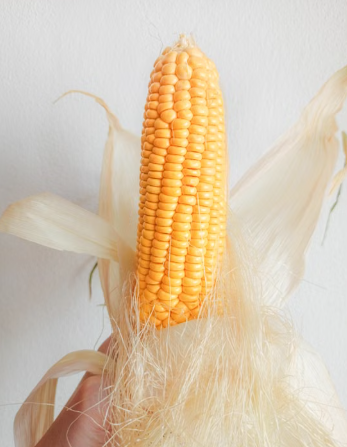
Corn Silk Tea: Potential Benefits and What Research Says
Corn silk may not be the first thing that comes to mind when thinking about natural health remedies, but this delicate thread-like material found on corn ears has been used in traditional medicine for generations. Made from the silky strands that grow beneath the husk of corn, corn silk tea is often promoted as a natural drink for supporting urinary health, reducing water retention, and providing antioxidant benefits.
But how much of this is supported by science?
Research on corn silk is still developing. While laboratory and animal studies suggest that corn silk contains beneficial plant compounds, more high-quality human studies are needed to confirm many of the health claims associated with it.
This article explores the potential benefits of corn silk tea, what research suggests, possible risks, and how it fits into a healthy lifestyle.
What Is Corn Silk Tea?
Corn silk refers to the long, thread-like strands attached to the top of a corn cob. These strands help collect pollen and play a role in corn reproduction.
Traditionally, corn silk has been used in herbal preparations, including teas and extracts.
Corn silk tea is usually made by:
- Drying fresh corn silk
- Steeping it in hot water
- Straining the liquid before drinking
The resulting tea has a mild, slightly sweet flavor and is naturally caffeine-free.
Nutrients and Plant Compounds in Corn Silk
Corn silk contains several bioactive compounds that researchers have studied for their possible health effects.
These include:
- Flavonoids
- Phenolic compounds
- Alkaloids
- Terpenoids
- Natural plant sterols
Many of these compounds are known for antioxidant activity, meaning they may help protect cells from oxidative stress.
However, the amount of these compounds can vary depending on:
- Corn variety
- Growing conditions
- Preparation method
- Storage conditions
1. May Support Urinary Tract Health
One of the most common traditional uses of corn silk tea is for urinary health.
Corn silk has traditionally been used as a natural remedy to support:
- Bladder comfort
- Urinary flow
- Fluid balance
Some studies suggest corn silk extracts may have mild diuretic effects, meaning they may encourage the body to produce more urine.
This effect has led to interest in whether corn silk may help support normal urinary function.
However, corn silk tea should not be considered a treatment for urinary tract infections (UTIs). Symptoms such as:
- Burning during urination
- Blood in urine
- Fever
- Lower abdominal pain
require medical evaluation.
2. May Help Reduce Water Retention
Because corn silk may have diuretic properties, some people use it to help with mild fluid retention.
Temporary water retention can occur due to:
- High sodium intake
- Hormonal changes
- Sitting for long periods
- Certain lifestyle factors
Increasing urine output may help remove excess fluid in some situations.
However, persistent swelling in the legs, hands, or face may be a sign of an underlying condition involving the heart, kidneys, or circulation and should not be managed only with herbal teas.
3. Contains Antioxidants
Corn silk contains plant compounds that have demonstrated antioxidant activity in laboratory studies.
Antioxidants help protect cells from oxidative stress caused by unstable molecules called free radicals.
Oxidative stress has been associated with several chronic health conditions, including:
- Heart disease
- Inflammation-related conditions
- Age-related changes
While antioxidant activity in laboratory studies is promising, drinking corn silk tea does not automatically produce the same effects in the human body. More clinical research is needed.
4. Possible Blood Sugar Benefits
Some early research has explored whether corn silk compounds may influence blood sugar levels.
Animal and laboratory studies suggest that corn silk extracts may affect:
- Glucose metabolism
- Insulin activity
- Oxidative stress related to diabetes
However, there is not enough strong evidence to recommend corn silk tea as a treatment for diabetes.
People with diabetes should continue following medical advice and prescribed treatments.
5. May Have Anti-Inflammatory Effects
Inflammation is a natural immune response, but excessive or long-term inflammation can contribute to various health problems.
Certain compounds in corn silk have shown anti-inflammatory effects in experimental studies.
Researchers are investigating whether these effects could have practical health applications, but more human research is needed.
6. Traditional Use for Kidney Support
Corn silk tea is often promoted online as a “kidney cleanser” or detox drink.
However, the body already has natural detoxification systems, mainly through the:
- Liver
- Kidneys
- Digestive system
Some evidence suggests corn silk may influence urine production, but claims that it can “flush toxins” or cure kidney disease are not supported by strong scientific evidence.
People with kidney problems should speak with a healthcare professional before using herbal products.
What Does Research Actually Say?
Scientific research on corn silk is promising but limited.
Most available studies involve:
- Laboratory experiments
- Animal models
- Traditional medicine observations
Human clinical trials are still relatively limited.
This means researchers have identified potential biological effects, but they have not yet proven that corn silk tea can prevent or treat specific diseases.
A healthy approach is to view corn silk tea as a beverage that may offer supportive benefits—not as a replacement for medical treatment.
Possible Side Effects of Corn Silk Tea
Corn silk tea is generally considered safe for many healthy adults when consumed in moderate amounts. However, some people may experience side effects.
Possible concerns include:
Increased Urination
Because corn silk may act as a mild diuretic, it could increase urine production.
Electrolyte Changes
Frequent use of diuretic substances may affect minerals such as:
- Potassium
- Sodium
This may be more concerning for people taking certain medications.
Allergic Reactions
People with allergies to corn may need to avoid corn silk products.
Possible allergy symptoms include:
- Rash
- Itching
- Swelling
- Breathing difficulty
Seek medical attention for signs of a serious allergic reaction.
Who Should Be Careful With Corn Silk Tea?
Before using corn silk tea regularly, some people should seek medical advice, including those who:
- Are pregnant or breastfeeding
- Have kidney disease
- Have heart conditions
- Take diuretic medications
- Take blood pressure medication
- Take diabetes medication
- Have allergies to corn
Herbal products can interact with medications, even when they seem natural.
How to Prepare Corn Silk Tea
A simple preparation method:
Ingredients:
- Fresh or dried corn silk
- Hot water
Method:
- Rinse corn silk thoroughly.
- Place it in hot water.
- Allow it to steep for several minutes.
- Strain before drinking.
Avoid using corn silk from corn treated with unknown chemicals or pesticides unless it is properly washed or sourced safely.
How Much Corn Silk Tea Should You Drink?
There is no officially established standard dose for corn silk tea because research on safe and effective amounts is limited.
If you choose to drink it:
- Use moderate amounts
- Avoid excessive daily consumption
- Stop if you experience unusual symptoms
A healthcare professional can provide guidance based on your individual health situation.
Corn Silk Tea vs. Other Herbal Teas
Corn silk tea is often compared with other herbal drinks used for wellness, such as:
- Green tea
- Ginger tea
- Chamomile tea
- Peppermint tea
Unlike caffeinated teas, corn silk tea naturally contains no caffeine. However, each herbal tea has different compounds and potential effects.
No herbal drink can replace a balanced diet, regular physical activity, and appropriate medical care.
Frequently Asked Questions
Does corn silk tea clean the kidneys?
Corn silk may influence urine production, but there is no strong evidence that it “cleans” or detoxifies the kidneys.
Can corn silk tea lower blood pressure?
Because it may have mild diuretic effects, it could potentially influence fluid balance, but it should not be used as a blood pressure treatment without medical guidance.
Is corn silk tea safe every day?
Moderate amounts may be safe for many healthy adults, but long-term daily use has not been well studied.
Can corn silk tea cure a UTI?
No. Corn silk tea may support urinary comfort, but it cannot replace antibiotics or medical treatment for a urinary tract infection.
Final Thoughts
Corn silk tea is a traditional herbal beverage with potential health-promoting properties. Research suggests that its plant compounds may provide antioxidant, anti-inflammatory, and mild diuretic effects.
However, many popular claims about corn silk—such as curing diseases, detoxifying the body, or replacing medical treatments—go beyond current scientific evidence.
For most people, corn silk tea can be enjoyed as part of a healthy lifestyle. The key is to use it responsibly, understand its limitations, and consult a healthcare professional if you have existing health conditions or take medications.
