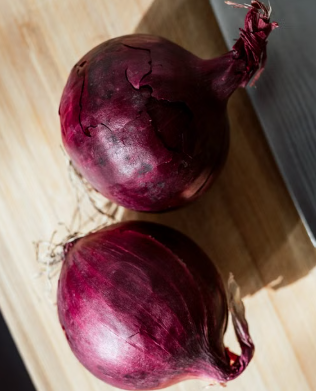
Can Onions Improve Eye Health? What Science Says
Onions are a staple ingredient in cuisines around the world, adding flavor to countless dishes while providing important nutrients and plant compounds. Beyond their culinary value, onions have long been associated with various health benefits, including support for heart health, immunity, and inflammation control.
One claim that has gained attention is whether onions can improve eye health. Some people believe that eating onions may strengthen vision, prevent eye problems, or even protect against age-related eye diseases.
But what does science actually say?
Research suggests that onions contain several compounds that may support overall eye health, particularly through their antioxidant properties. However, onions are not a cure for vision problems, and they cannot replace medical treatments or regular eye care.
This article explores the connection between onions and eye health, the nutrients involved, potential benefits, and what experts recommend.
The Link Between Diet and Eye Health
Your eyes require a steady supply of nutrients to function properly. Like other organs, the eyes can be affected by oxidative stress, inflammation, and age-related changes.
A diet rich in fruits, vegetables, and antioxidant compounds may help protect the eyes from damage over time.
Important nutrients associated with eye health include:
- Vitamin C
- Vitamin E
- Zinc
- Lutein
- Zeaxanthin
- Omega-3 fatty acids
- Antioxidants called flavonoids
Onions contain several plant compounds that may contribute to a healthy diet.
Nutrients in Onions That May Support Eye Health
1. Quercetin: A Powerful Antioxidant
One of the most studied compounds in onions is quercetin, a flavonoid antioxidant found in high amounts, especially in red and yellow onions.
Antioxidants help protect cells from oxidative stress caused by unstable molecules called free radicals.
Oxidative stress has been linked to several age-related eye conditions, including:
- Cataracts
- Age-related macular degeneration (AMD)
While laboratory studies suggest quercetin has protective effects on cells, more human research is needed to determine how much eating onions specifically contributes to eye protection.
2. Vitamin C Content
Onions contain vitamin C, although not as much as fruits like oranges, strawberries, or kiwi.
Vitamin C plays several roles in eye health:
- Supports collagen production
- Helps maintain the structure of eye tissues
- Acts as an antioxidant
Research has linked adequate vitamin C intake with a lower risk of certain age-related eye conditions, including cataracts.
However, onions alone are unlikely to provide enough vitamin C to meet daily needs.
3. Sulfur Compounds
Onions contain sulfur-containing compounds responsible for their strong smell and tear-producing effect.
These compounds have been studied for potential:
- Antioxidant effects
- Anti-inflammatory properties
- Cellular protective effects
Inflammation and oxidative damage can influence eye health, but the exact impact of onion sulfur compounds on human vision remains under investigation.
Can Eating Onions Prevent Cataracts?
Cataracts occur when the lens of the eye becomes cloudy, leading to blurred vision.
Oxidative damage is considered one factor involved in cataract development. Since onions contain antioxidants, researchers have investigated whether antioxidant-rich diets may help reduce cataract risk.
Some studies suggest that diets high in fruits and vegetables are associated with healthier aging of the eyes. However, there is no strong evidence that onions alone can prevent or reverse cataracts.
If cataracts affect vision significantly, medical treatment such as surgery may be required.
Can Onions Protect Against Macular Degeneration?
Age-related macular degeneration (AMD) affects the central part of the retina and can lead to vision loss in older adults.
Nutrients strongly associated with AMD protection include:
- Lutein
- Zeaxanthin
- Zinc
- Vitamin C
- Vitamin E
Onions contain antioxidants but are not particularly high sources of lutein and zeaxanthin, the carotenoids most directly associated with macular health.
Eating onions as part of a varied diet may contribute to overall nutrition, but they should not be considered a specific AMD-prevention food.
Does Eating Raw Onions Improve Eyesight?
A popular belief is that eating raw onions can make eyesight sharper or improve vision.
Currently, there is no scientific evidence that onions can restore poor eyesight, eliminate the need for glasses, or improve visual sharpness in people with vision problems.
Vision changes are often caused by factors such as:
- Genetics
- Aging
- Eye diseases
- Refractive errors
- Health conditions like diabetes
These require appropriate eye examinations and treatment.
Why Do Onions Make Your Eyes Water?
Many people notice that cutting onions causes burning and tears.
This happens because onions release a compound called syn-propanethial-S-oxide when their cells are damaged. This chemical irritates the eyes, causing tear production.
The tears are a protective response designed to flush away the irritant.
Although onions make your eyes water, this reaction does not mean they are cleansing or strengthening your eyes.
Are Onion Juice or Onion Drops Safe for the Eyes?
Some online remedies recommend placing onion juice or onion extracts near or inside the eyes to improve vision.
This is not recommended.
Putting onion juice directly into the eyes can cause:
- Burning
- Irritation
- Redness
- Inflammation
- Possible injury to the eye surface
The eyes are highly sensitive organs, and homemade remedies may introduce harmful bacteria or irritants.
Always consult an eye care professional for eye-related concerns.
Other Foods That Support Eye Health
While onions can be part of a healthy diet, several foods have stronger evidence for supporting eye function.
Leafy Green Vegetables
Examples:
- Spinach
- Kale
- Collard greens
These are rich in lutein and zeaxanthin, nutrients concentrated in the retina.
Colorful Fruits and Vegetables
Foods such as:
- Carrots
- Sweet potatoes
- Bell peppers
- Citrus fruits
provide vitamins and antioxidants important for eye health.
Fish Rich in Omega-3 Fatty Acids
Examples:
- Salmon
- Sardines
- Tuna
Omega-3 fats may support tear production and healthy retinal function.
Eggs
Egg yolks contain lutein, zeaxanthin, and zinc, which are important nutrients for the eyes.
Healthy Habits That Protect Your Eyes
Good nutrition is only one part of maintaining healthy vision.
Other important habits include:
Schedule Regular Eye Exams
Routine eye examinations can detect problems early, including glaucoma, cataracts, and diabetic eye disease.
Protect Your Eyes From UV Light
Wear sunglasses that block harmful ultraviolet rays when outdoors.
Manage Blood Sugar
High blood sugar can damage blood vessels in the eyes and increase the risk of diabetic eye disease.
Avoid Smoking
Smoking increases the risk of several eye conditions, including cataracts and macular degeneration.
Limit Excessive Screen Strain
Take regular breaks from screens and follow the 20-20-20 rule:
- Every 20 minutes
- Look at something 20 feet away
- For at least 20 seconds
Frequently Asked Questions
Can onions improve eyesight naturally?
No. Onions provide antioxidants and nutrients that may support overall health, but there is no evidence that they can improve eyesight or correct vision problems.
Are red onions better for eye health?
Red onions often contain higher levels of certain antioxidants, such as quercetin and anthocyanins, compared with some lighter onion varieties. However, all onions can contribute beneficial plant compounds to the diet.
Can onion juice cure eye problems?
No. Onion juice should not be placed in the eyes. It can cause irritation and does not have proven benefits for treating eye conditions.
How often should I eat onions for health benefits?
There is no specific amount of onions required for eye health. Including onions regularly as part of a balanced diet can contribute to overall nutrition.
Final Thoughts
Onions contain antioxidants and plant compounds that may support general health, including the health of your eyes. Compounds such as quercetin and vitamin C contribute to the protective effects of a nutrient-rich diet.
However, onions are not a miracle food for vision. They cannot reverse eyesight problems, cure eye diseases, or replace professional eye care. The best approach to protecting your vision is a balanced diet that includes a variety of nutrient-rich foods, regular eye exams, and healthy lifestyle choices.
Adding onions to your meals can be a flavorful and nutritious choice—but maintaining healthy eyes requires a complete approach rather than relying on a single food.
