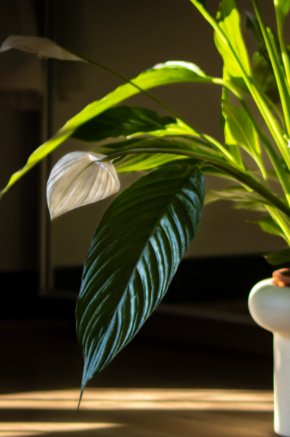
11 Peace Lily Care Tips for Bigger, Healthier Blooms
Peace lilies are beloved houseplants known for their glossy green leaves, elegant white flowers, and ability to bring a tropical touch to indoor spaces. Their graceful appearance makes them a favorite choice for homes, offices, and plant collections.
However, many peace lily owners discover that keeping the plant alive is easier than encouraging it to produce large, beautiful blooms. A peace lily may grow plenty of leaves but produce only small flowers—or no flowers at all—when its growing conditions are not ideal.
The secret to bigger, healthier blooms is understanding what peace lilies need: the right light, proper watering, balanced nutrition, healthy roots, and a stable environment.
With these 11 care tips, you can help your peace lily grow stronger and encourage more impressive flowers.
1. Give Your Peace Lily Bright, Indirect Light
Light is one of the most important factors for healthy peace lily growth and flowering.
Peace lilies naturally grow beneath tropical forest canopies, where they receive filtered sunlight. They prefer bright but indirect light rather than harsh direct sun.
The best locations include:
- Near an east-facing window
- A few feet away from a south or west-facing window
- Rooms with plenty of natural daylight
Too little light may result in:
- Slow growth
- Smaller leaves
- Fewer blooms
Too much direct sunlight may cause:
- Brown leaf patches
- Yellowing leaves
- Scorched foliage
Finding the right balance helps your peace lily produce the energy needed for larger flowers.
2. Water Correctly and Consistently
Peace lilies are famous for their dramatic drooping when thirsty, but relying only on wilting can stress the plant over time.
The goal is to keep the soil lightly moist without making it soggy.
Follow these watering tips:
- Check the top 1–2 inches of soil before watering
- Water thoroughly until excess water drains out
- Empty any water collected in the saucer
- Avoid letting the roots sit in standing water
Overwatering is one of the most common causes of peace lily problems.
Signs of Overwatering
- Yellow leaves
- Mushy roots
- Constantly wet soil
- Drooping leaves despite moist soil
Signs of Underwatering
- Wilting
- Dry soil
- Brown leaf tips
A consistent watering routine encourages stronger growth and healthier blooms.
3. Use Filtered or Room-Temperature Water
Peace lilies can be sensitive to chemicals and minerals found in some tap water.
Water containing high levels of:
- Chlorine
- Fluoride
- Excess minerals
may contribute to brown leaf tips.
For healthier growth, consider:
- Filtered water
- Rainwater
- Tap water left uncovered for several hours before use
Using room-temperature water also prevents shocking the roots.
4. Maintain Higher Humidity
Because peace lilies are tropical plants, they appreciate humid conditions.
Dry indoor air can cause:
- Brown leaf edges
- Curling leaves
- Reduced growth
- Plant stress
Ways to increase humidity include:
- Using a humidifier
- Grouping plants together
- Placing a pebble tray nearby
- Keeping the plant away from heating vents
A humidity level similar to a tropical environment can help leaves stay lush and support better flowering.
5. Feed Your Peace Lily With the Right Fertilizer
Nutrients play a major role in flower production.
A peace lily grown in old soil may eventually use up available nutrients, leading to weaker growth.
Look for a fertilizer designed for indoor flowering plants.
Important nutrients include:
- Nitrogen for healthy foliage
- Phosphorus for flower development
- Potassium for overall plant strength
Feed your peace lily during active growing periods, usually in spring and summer.
Avoid overfertilizing because too many nutrients can burn roots and create leaf problems.
Signs of Fertilizer Problems
Too much fertilizer may cause:
- Brown leaf tips
- White crust on soil
- Leaf damage
Too little fertilizer may cause:
- Pale leaves
- Slow growth
- Lack of flowers
6. Choose the Right Soil Mix
Healthy roots are the foundation of bigger blooms.
Peace lilies need soil that holds moisture but drains well.
A good potting mix should include:
- Quality indoor potting soil
- Perlite for drainage
- Organic material such as compost
Avoid heavy garden soil because it can become compacted and prevent roots from getting enough oxygen.
Healthy roots allow the plant to absorb water and nutrients more efficiently.
7. Repot When Necessary
A peace lily that has become root-bound may struggle to grow and bloom.
Signs it may need a larger pot include:
- Roots growing from drainage holes
- Soil drying out very quickly
- Slow growth
- The plant becoming crowded
When repotting:
- Choose a pot only slightly larger than the current one
- Use fresh, well-draining soil
- Handle roots gently
Repotting gives the plant fresh nutrients and more room for healthy root development.
8. Keep the Temperature Stable
Peace lilies prefer comfortable indoor temperatures.
Ideal conditions are generally:
- 65–80°F (18–27°C)
Protect your plant from sudden temperature changes.
Avoid placing it near:
- Air conditioners
- Cold windows
- Drafty doors
- Heating appliances
Temperature stress can slow growth and reduce flowering.
9. Clean the Leaves Regularly
Large peace lily leaves can collect dust, which may reduce their ability to absorb light efficiently.
Cleaning the leaves helps the plant:
- Photosynthesize better
- Maintain a healthy appearance
- Grow more effectively
To clean leaves:
- Use a soft, damp cloth.
- Gently wipe both sides of the leaves.
- Support the leaf while cleaning to avoid damage.
Avoid commercial leaf-shine products, which may clog the natural surface of the leaves.
10. Prune and Remove Old Blooms
Regular pruning keeps your peace lily looking healthy and encourages new growth.
Remove:
- Yellow leaves
- Brown leaf tips
- Old flower stems
When flowers fade, cut the flower stalk near the base of the plant.
Removing spent blooms allows the plant to redirect energy toward new growth.
Use clean scissors or pruning shears to prevent spreading bacteria.
11. Give Your Plant Time to Adjust
Peace lilies do not always bloom immediately after being moved, repotted, or placed in a new environment.
A plant may need time to adapt to changes in:
- Light levels
- Temperature
- Humidity
- Soil conditions
Avoid making frequent changes. Once you find a location where your peace lily is healthy, keep conditions stable.
Consistency is often the key to better blooms.
Why Your Peace Lily Has Leaves but No Flowers
A peace lily with beautiful foliage but no blooms is usually experiencing one of these issues:
Not Enough Light
The plant may survive but not have enough energy for flowers.
Too Much Nitrogen
Nitrogen encourages leaf growth, but excessive amounts can reduce flowering.
Immature Plant
Young peace lilies may need time before they begin producing regular blooms.
Poor Root Health
Damaged or crowded roots can limit growth.
Seasonal Growth Patterns
Many peace lilies naturally flower more during warmer months.
How to Encourage More Peace Lily Blooms Naturally
To increase your chances of larger flowers:
- Provide bright indirect light
- Maintain consistent moisture
- Fertilize during active growth
- Keep humidity levels comfortable
- Avoid unnecessary stress
- Remove old flowers
- Keep roots healthy
A healthy plant naturally has a better ability to produce flowers.
Frequently Asked Questions
How Often Does a Peace Lily Bloom?
A healthy peace lily may bloom several times a year, depending on growing conditions, maturity, and care.
Should I Cut Off Dead Peace Lily Flowers?
Yes. Removing faded flowers improves the plant’s appearance and allows it to focus energy on new growth.
Can Peace Lilies Grow in Low Light?
Peace lilies can survive in low light, but brighter indirect light is usually needed for regular flowering.
What Fertilizer Helps Peace Lilies Bloom?
A balanced indoor plant fertilizer or one formulated for flowering plants can support healthy blooms when used correctly.
Why Are My Peace Lily Flowers Small?
Small blooms may result from insufficient light, limited nutrients, stress, or a young plant that has not fully matured.
Final Thoughts
Peace lilies are relatively easy-care plants, but producing bigger and healthier blooms requires the right balance of care. Light, watering, humidity, nutrition, and root health all influence how well your plant grows and flowers.
