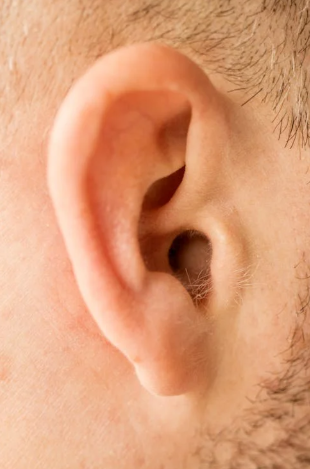
4 Drops That May Help Support Ear Health: What You Should Know
Ear discomfort is a common problem that affects people of all ages. A feeling of fullness, mild irritation, excess earwax, or occasional itching can be frustrating and may interfere with daily activities. Many people look for simple solutions, including ear drops that may help maintain ear comfort and support overall ear health.
However, not all ear drops are suitable for every situation. The right option depends on the cause of the problem, and using the wrong product—especially when there is an injury, infection, or damaged eardrum—can sometimes make symptoms worse.
Understanding the different types of ear drops, what they are designed to do, and when they should be avoided can help you make safer choices for your ear care routine.
How Ear Drops May Help
Ear drops are liquid medications or solutions designed to be placed directly into the ear canal. Depending on their ingredients, they may help with:
- Softening and removing excess earwax
- Relieving mild irritation or dryness
- Managing certain ear infections under medical guidance
- Supporting a healthier ear environment
The ears are naturally designed to clean themselves. Earwax, also called cerumen, protects the ear canal by trapping dust and preventing dryness. Problems usually occur when wax builds up excessively or when another condition affects the ear.
1. Earwax-Softening Drops
One of the most common reasons people use ear drops is to manage excess earwax buildup.
Earwax is usually harmless, but when too much accumulates, it can block the ear canal and cause symptoms such as:
- A feeling of fullness in the ear
- Reduced hearing
- Mild ear discomfort
- Ringing sensations
- Itching
Earwax-softening drops are designed to loosen hardened wax, making it easier for the body to naturally remove it or allowing a healthcare professional to remove it more easily if needed.
Common Ingredients
Many over-the-counter earwax drops contain ingredients such as:
- Carbamide peroxide
- Mineral oil
- Saline solutions
- Glycerin-based formulas
These ingredients work by softening or breaking down hardened wax.
Important Safety Note
Earwax drops should not be used if you:
- Have a hole or tear in your eardrum
- Recently had ear surgery
- Have severe ear pain
- Have fluid or pus draining from your ear
In these situations, it is best to seek medical advice before using any ear product.
2. Mineral Oil or Moisturizing Ear Drops
Some people experience dry, itchy ears due to irritation, environmental factors, or excessive cleaning.
The ear canal naturally contains oils that protect the skin, but frequent use of cotton swabs or exposure to dry conditions may remove these protective oils.
Moisturizing drops, such as mineral oil-based solutions, may help reduce dryness and support comfort.
They May Help With:
- Dry ear canal skin
- Mild itching caused by dryness
- Preventing excessive earwax from becoming hard
Avoid Overcleaning
Many ear problems are caused by trying to clean the ears too aggressively. Cotton swabs can push wax deeper into the ear canal and irritate sensitive skin.
The outer ear can be cleaned gently, but objects should not be inserted into the ear canal.
3. Saline-Based Ear Drops
Saline solutions are commonly used because they are gentle and generally well tolerated.
Saline ear drops may help maintain moisture and can be useful for people who experience mild dryness or discomfort.
They may also help soften earwax before removal.
Benefits of Saline Solutions
- Simple ingredients
- Gentle on sensitive skin
- Helps add moisture
- May support natural ear cleaning
Although saline drops can be helpful for comfort, they are not a treatment for all ear conditions, including infections.
4. Prescription Ear Drops for Specific Ear Conditions
Some ear problems require medication prescribed by a healthcare professional.
Prescription ear drops may contain:
- Antibiotics to treat certain bacterial infections
- Anti-inflammatory medications to reduce swelling
- Other specialized ingredients for specific conditions
These drops should only be used as directed because different ear problems require different treatments.
For example, symptoms caused by an outer ear infection may require a different approach than symptoms caused by wax buildup or irritation.
Signs You May Need Medical Advice Instead of Ear Drops
While some mild ear concerns can be managed with appropriate products, certain symptoms should be evaluated by a healthcare professional.
Seek medical advice if you experience:
- Severe ear pain
- Sudden hearing loss
- Fluid, blood, or pus coming from the ear
- Fever
- Dizziness or balance problems
- Persistent ringing in the ears
- Symptoms lasting more than a few days
These symptoms may indicate an infection, injury, or another condition requiring proper evaluation.
Common Mistakes People Make When Using Ear Drops
Using ear drops incorrectly can reduce their effectiveness or cause irritation.
1. Using Drops Without Knowing the Cause
Ear discomfort can have many causes. Wax buildup, infection, allergies, and skin irritation may feel similar but require different approaches.
Identifying the cause is important before choosing treatment.
2. Using Expired Products
Always check expiration dates. Old products may not work properly and could increase the risk of contamination.
3. Putting Objects Into the Ear
Avoid using:
- Cotton swabs
- Hairpins
- Keys
- Other objects
inside the ear canal.
These can push wax deeper or damage delicate ear structures.
4. Using Ear Drops With a Damaged Eardrum
Certain drops are not safe if the eardrum is perforated. If you are unsure about your ear health, consult a medical professional before use.
Tips for Maintaining Healthy Ears
Good ear care does not require complicated routines. Simple habits can protect your hearing and reduce discomfort.
Keep Ears Dry
Excess moisture can encourage the growth of bacteria and fungi. Dry your outer ears gently after swimming or bathing.
Protect Your Ears From Loud Noise
Long-term exposure to loud sounds can damage hearing. Use appropriate protection around loud machinery, concerts, or other noisy environments.
Avoid Excessive Cleaning
Your ears are self-cleaning organs. Removing too much earwax can actually increase irritation and dryness.
Schedule Hearing Checks When Needed
Regular hearing evaluations can help identify changes early, especially for older adults or people regularly exposed to loud sounds.
Can Ear Drops Improve Hearing?
Ear drops may improve hearing when reduced hearing is caused by impacted earwax. Softening and removing the blockage can restore normal sound transmission.
However, ear drops will not correct hearing loss caused by nerve damage, age-related changes, or problems deeper inside the ear.
If hearing changes suddenly or continues despite treatment, medical evaluation is important.
Final Thoughts
Ear drops can be useful tools for supporting ear comfort, managing certain types of earwax buildup, and relieving mild dryness. Options such as earwax-softening drops, moisturizing solutions, saline drops, and prescription medications each have specific purposes.
However, ear health depends on using the right product for the right situation. Persistent pain, hearing changes, drainage, or other concerning symptoms should always be checked by a healthcare professional.
Taking a careful approach to ear care can help protect your hearing and keep your ears comfortable for years to come.
