The Dashboard Button Many Drivers Ignore—And Why It’s More Important Than You Think
Most drivers pay close attention to their speed, fuel level, and warning lights, but there is one small dashboard button that many people overlook completely. It may not flash, beep, or demand immediate attention, yet it can play an important role in improving visibility, safety, and driving comfort.
This often-ignored button controls a feature designed to help you see clearly in changing weather and road conditions. Understanding what it does—and when to use it—can make your driving experience safer and reduce unnecessary distractions behind the wheel.
So, what is this mysterious dashboard button, and why do many drivers fail to use it?
The Button Many Drivers Ignore: The Recirculation Button
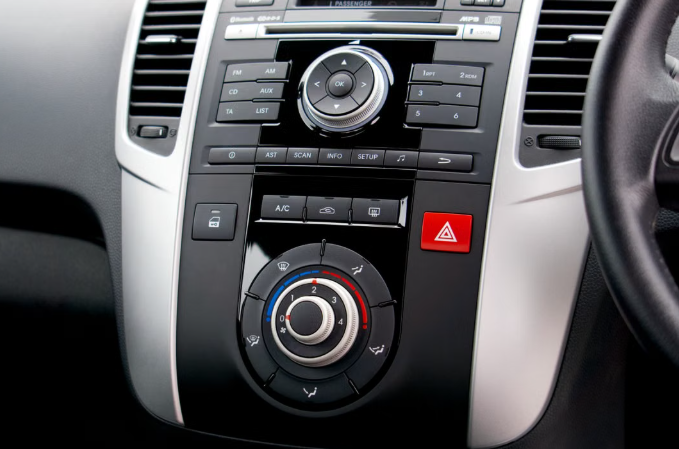
The button in question is the air recirculation button, usually marked with a symbol showing a curved arrow moving inside a vehicle shape.
Many drivers assume it is only useful for making the air conditioner work faster, but its purpose goes beyond comfort. The recirculation feature controls where your vehicle draws air from.
When activated, it stops outside air from entering the cabin and instead circulates the air already inside the vehicle.
This simple function can affect:
- Cabin temperature
- Air quality
- Fuel efficiency
- Window fogging
- Passenger comfort
Knowing how and when to use it can make a noticeable difference.
How the Air Recirculation Button Works
Normally, your vehicle’s ventilation system pulls fresh air from outside, passes it through the heating or cooling system, and sends it into the cabin.
When you press the recirculation button, the system closes the outside air intake and reuses the air already inside the car.
For example:
- On a hot day, it helps your air conditioner cool the cabin faster.
- In heavy traffic, it reduces the amount of exhaust fumes entering the vehicle.
- During unpleasant weather, it can help maintain a comfortable interior temperature.
However, using it incorrectly can create other problems.
Why This Button Matters More Than Many Drivers Realize
1. It Helps Your Car Cool Faster
During summer, the inside of a parked vehicle can become extremely hot. When you start driving, your air conditioner has to work hard to cool the hot outside air coming into the cabin.
Using the recirculation button allows the system to cool the already-conditioned air inside the car instead.
This means:
- Faster cooling
- Less strain on the air conditioning system
- A more comfortable ride
For the best results, many drivers use fresh air ventilation briefly when first entering a very hot vehicle, then switch to recirculation once the initial hot air has escaped.
2. It Reduces Exposure to Pollution and Exhaust Fumes
One of the most useful benefits of air recirculation is reducing the amount of outside air entering the cabin.
This can be especially helpful when driving through:
- Traffic congestion
- Construction zones
- Areas with heavy smoke
- Dusty roads
- Industrial areas
Without recirculation, your vehicle may continuously pull in polluted air from outside.
While the feature does not replace a proper cabin air filter or eliminate all pollutants, it can reduce exposure to unpleasant smells and some airborne particles.
3. It Can Improve Fuel Efficiency
When your air conditioner does not have to repeatedly cool hot outside air, it can operate more efficiently.
By recirculating already cooled air, the system may require less energy to maintain the desired cabin temperature.
The fuel savings may be small, but over time, especially during hot weather, proper use of the feature can reduce unnecessary workload on your vehicle’s climate system.
When You Should Use the Recirculation Button
Many drivers leave this feature on all the time, but that is not always the best choice.
Here are situations when using it makes sense:
During Hot Weather
Use recirculation when:
- The air conditioner is running
- The cabin needs quick cooling
- Outside temperatures are extremely high
It helps your vehicle reach a comfortable temperature faster.
In Heavy Traffic
When surrounded by many vehicles, recirculation can reduce the amount of:
- Exhaust fumes
- Road dust
- Strong odors
entering your cabin.
When Driving Through Dusty Areas
If you are traveling on unpaved roads or in areas with blowing dust, switching to recirculation can help keep the cabin air cleaner.
When You Should Avoid Using It
Although useful, the recirculation button should not always remain activated.
During Cold Weather Defrosting
One of the biggest mistakes drivers make is using recirculated air when trying to clear foggy windows.
Recirculating air increases moisture inside the vehicle, which can make windshield fogging worse.
When your windows are fogged:
- Turn off recirculation
- Use the defrost setting
- Allow fresh outside air to enter
This helps remove moisture more effectively.
During Long Drives
Keeping recirculation activated for extended periods can reduce the amount of fresh air entering the cabin.
Over time, this may cause:
- A stuffy interior
- Increased humidity
- Unpleasant odors
Switching between fresh air mode and recirculation can help maintain better cabin comfort.
Other Dashboard Buttons Drivers Often Misunderstand
The air recirculation button is not the only commonly ignored feature.
Traction Control Button
The traction control system helps prevent wheel spin when accelerating on slippery roads.
Turning it off may sometimes be useful in specific situations, such as freeing a vehicle stuck in snow or mud, but it should generally remain on during normal driving.
Rear Window Defogger Button
This feature uses heating elements in the rear glass to remove fog, frost, or condensation.
Many drivers mistake it for a mirror control, but it can significantly improve rear visibility.
Tire Pressure Monitoring System (TPMS)
The tire pressure warning light is not something to ignore. Incorrect tire pressure can affect:
- Fuel economy
- Tire lifespan
- Handling
- Safety
Regularly checking tire pressure helps prevent avoidable problems.
Simple Dashboard Knowledge Can Improve Driving Safety
Modern vehicles include many features designed to make driving easier and safer, but they only help when drivers understand how to use them.
A button that seems insignificant may actually solve common driving problems, improve comfort, and protect passengers from unnecessary exposure to poor air quality.
Taking a few minutes to learn your vehicle’s controls can make a major difference—especially during extreme weather or challenging driving conditions.
Final Thoughts
The air recirculation button is one of the most overlooked features in many vehicles, yet it has an important role in climate control, cabin comfort, and driving conditions.
Using it correctly can help your car cool faster, reduce exposure to outside pollutants, and improve the efficiency of your air conditioning system. However, knowing when not to use it is equally important, especially when dealing with foggy windows or high humidity.
Your dashboard contains many tools designed to help you. Learning what each button does is a simple step toward safer, smarter, and more comfortable driving.
