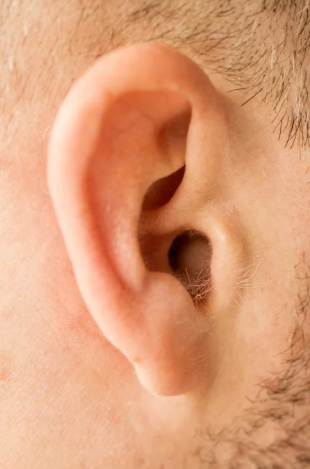
What Your Ears May Reveal About Your Overall Health
Your ears do much more than allow you to hear the world around you. They help maintain balance, support communication, and can sometimes provide clues about your overall health.
While the appearance of your ears alone cannot diagnose medical conditions, certain changes in your ears, hearing ability, or ear-related symptoms may be linked to underlying health issues. Paying attention to these signs and discussing concerns with a healthcare professional can help identify problems early.
From hearing changes and balance issues to ear infections and skin conditions, your ears can offer valuable information about what is happening inside your body.
Why Your Ears Matter for Your Health
The ear is a complex organ made up of three main parts:
- Outer ear: Includes the visible ear and ear canal, which collect sound waves.
- Middle ear: Contains tiny bones that transmit sound vibrations.
- Inner ear: Contains structures responsible for hearing and balance.
Because the inner ear connects closely with the nervous system, changes affecting hearing and balance can sometimes provide important health clues.
1. Hearing Loss May Be Linked to Aging
One of the most common ear-related changes is gradual hearing loss.
As people get older, the delicate hair cells inside the inner ear can become damaged over time. These cells help convert sound vibrations into signals the brain can understand.
Age-related hearing loss may appear as:
- Difficulty hearing conversations in noisy places
- Frequently asking people to repeat themselves
- Turning up the television volume
- Trouble hearing high-pitched sounds
- Feeling that people are mumbling
Although hearing loss is common with aging, it should not simply be ignored. Untreated hearing problems may affect communication, social interaction, and quality of life.
Regular hearing checks can help identify changes early.
2. Ringing in the Ears May Signal Different Causes
A ringing, buzzing, humming, or hissing sound in the ears is known as tinnitus.
Tinnitus is not a disease itself but a symptom that can occur for many reasons.
Possible causes include:
- Exposure to loud noises
- Age-related hearing changes
- Earwax buildup
- Certain medications
- Ear infections
- Stress and fatigue
- Problems affecting the ear or nervous system
Many people experience occasional ringing, but persistent tinnitus deserves attention, especially if it affects sleep, concentration, or daily activities.
A healthcare professional can help determine possible causes and recommend appropriate management.
3. Earwax Changes Can Affect Hearing
Earwax is a natural substance that protects the ear canal by trapping dust and preventing dryness.
However, too much earwax can sometimes block sound from traveling properly.
Signs of excessive earwax may include:
- Reduced hearing
- A feeling of fullness in the ear
- Ear discomfort
- Ringing sounds
- Itching
Many people try to remove earwax with cotton swabs, but inserting objects into the ear canal can push wax deeper or cause injury.
If earwax buildup becomes a problem, safe removal by a healthcare professional is often recommended.
4. Balance Problems May Involve the Inner Ear
Your inner ear plays a major role in balance.
The vestibular system inside the inner ear helps your brain understand your body’s position and movement.
Problems affecting this system may cause:
- Dizziness
- A spinning sensation (vertigo)
- Feeling unsteady
- Trouble walking
- Nausea
Common causes of balance-related ear problems include:
- Inner ear infections
- Benign positional vertigo
- Changes in inner ear fluid balance
Frequent or severe dizziness should be evaluated, especially if it occurs with symptoms such as weakness, vision changes, chest pain, or difficulty speaking.
5. Ear Infections May Reveal Immune or Environmental Factors
Ear infections are common, especially in children, but adults can also develop them.
Possible signs include:
- Ear pain
- Fluid drainage
- Reduced hearing
- Fever
- Pressure or fullness
Repeated ear infections may sometimes be linked to factors such as:
- Allergies
- Sinus problems
- Immune system concerns
- Environmental irritants
A healthcare provider can help determine the underlying cause of frequent infections.
6. Ear Appearance and Skin Changes May Provide Clues
The skin around the ears can experience many of the same issues as other areas of the body.
Changes such as:
- Dry, flaky skin
- Redness
- Swelling
- Sores
- Persistent itching
may be related to conditions such as:
- Eczema
- Psoriasis
- Allergic reactions
- Skin infections
Any unusual skin changes that do not improve should be checked by a healthcare professional.
7. Diabetes Can Affect Hearing Health
Diabetes affects blood vessels and nerves throughout the body, and researchers have studied its possible connection with hearing changes.
People with diabetes may have an increased risk of hearing problems due to effects on:
- Blood circulation
- Nerve function
- Inner ear structures
Maintaining healthy blood sugar levels and attending regular medical checkups can support overall health, including hearing health.
8. High Blood Pressure May Influence Ear Symptoms
Blood pressure affects the body’s blood vessels, including those supplying the inner ear.
Some people with circulation-related issues may experience symptoms such as:
- Pulsing sounds in the ear
- Changes in hearing
- Dizziness
A rhythmic sound that matches your heartbeat, called pulsatile tinnitus, should be discussed with a healthcare professional, especially if it is new or persistent.
9. Your Ears May Reflect Effects of Noise Exposure
Modern lifestyles expose many people to loud sounds from:
- Headphones
- Concerts
- Machinery
- Construction environments
- Firearms
Repeated exposure to loud noise can damage the inner ear and contribute to permanent hearing loss.
Protective habits include:
- Lowering headphone volume
- Taking breaks from loud sounds
- Wearing hearing protection when needed
Protecting your hearing early can help preserve it later in life.
10. Certain Medications Can Affect Hearing
Some medications are known to potentially affect the ears in certain situations.
Possible ear-related side effects may include:
- Ringing in the ears
- Hearing changes
- Balance problems
Examples of medications that may require monitoring include some:
- Antibiotics
- Chemotherapy drugs
- High-dose pain medications
- Diuretics
Never stop prescribed medication without medical advice. If you notice new ear symptoms after starting a medication, speak with your healthcare provider.
11. Ear Problems May Affect Mental and Emotional Well-Being
Hearing and communication are closely connected to quality of life.
Untreated hearing difficulties may contribute to:
- Social withdrawal
- Frustration during conversations
- Feeling isolated
- Increased stress
Addressing hearing concerns early can help people remain connected and engaged with others.
Healthy Habits to Protect Your Ears
Taking care of your ears is an important part of overall wellness.
Protect Against Loud Sounds
Use ear protection in noisy environments and keep personal audio devices at safe volume levels.
Avoid Putting Objects Inside Your Ears
Cotton swabs, hairpins, and other objects can injure the ear canal or damage the eardrum.
Manage Chronic Health Conditions
Conditions such as diabetes and high blood pressure can affect many body systems, including hearing.
Get Hearing Tests When Needed
Regular hearing evaluations can identify changes before they significantly affect daily life.
Keep Ears Dry and Clean
Avoid excessive moisture in the ears, especially after swimming, as it can increase the risk of irritation or infection.
When Should You See a Doctor About Your Ears?
Seek medical advice if you experience:
- Sudden hearing loss
- Severe ear pain
- Persistent ringing
- Fluid or blood coming from the ear
- Frequent infections
- Ongoing dizziness or balance problems
- A sudden change in hearing
Sudden hearing changes require prompt medical attention because early treatment may be important.
Frequently Asked Questions
Can your ears show signs of health problems?
Your ears can sometimes provide clues about certain health issues, particularly through changes in hearing, balance, or ear-related symptoms. However, ear appearance alone cannot diagnose most conditions.
Is hearing loss a normal part of aging?
Some hearing changes are common with age, but significant hearing loss should not be ignored. Hearing tests can help identify whether treatment or support is needed.
Why do my ears ring sometimes?
Occasional ringing can happen after loud noise exposure or temporary changes in the ear. Persistent tinnitus should be evaluated.
How often should hearing be checked?
The frequency depends on age, noise exposure, symptoms, and overall health. People with concerns should discuss appropriate screening with a healthcare professional.
Final Thoughts
Your ears can reveal important information about your health by showing changes in hearing, balance, and physical symptoms. While many ear-related issues are minor and treatable, some may signal conditions that require medical attention.
Protecting your hearing, managing overall health, avoiding excessive noise exposure, and paying attention to unusual symptoms can help maintain healthy ears throughout life.
Your ears are not just tools for hearing—they are a valuable part of your body’s communication system and may provide early clues when something needs attention.
