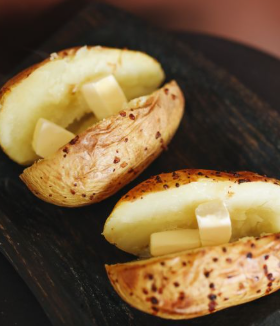
The Perfect Baked Potato Recipe: Crispy Outside, Fluffy Inside
A perfectly baked potato is one of the simplest comfort foods you can make, yet achieving the ideal texture requires a few important techniques. The best baked potato has a golden, crispy skin on the outside and a light, fluffy, and tender interior that melts in your mouth with every bite.
Whether served as a side dish with dinner or loaded with delicious toppings for a complete meal, a baked potato is a classic recipe that never goes out of style. With the right potato variety, preparation method, and baking temperature, you can create restaurant-quality baked potatoes right in your own kitchen.
This guide explains everything you need to know about making the perfect baked potato, including choosing potatoes, preparation tips, cooking methods, topping ideas, and common mistakes to avoid.
Why This Baked Potato Recipe Works
Many people struggle with baked potatoes that have:
- Tough or soggy skin
- Dry interiors
- Uneven cooking
- Bland flavor
The secret to a perfect baked potato is creating a contrast between textures:
- High heat creates crispy skin
- Proper preparation locks in flavor
- The right potato creates a fluffy center
- Avoiding excess moisture prevents sogginess
This simple method produces a potato that is crispy enough to enjoy the skin while remaining soft and airy inside.
Best Potatoes for Baking
Choosing the right potato is the first step toward success.
Russet Potatoes
Russet potatoes are the traditional choice for baking because they contain:
- High starch content
- Low moisture
- Thick skin
These qualities help create a light, fluffy texture after baking.
Other potato varieties can work, but russets usually provide the best classic baked potato experience.
Ingredients
For perfectly baked potatoes, you only need a few simple ingredients:
- 4 large russet potatoes
- 1–2 tablespoons olive oil
- 1–2 teaspoons kosher salt
- Freshly ground black pepper (optional)
Optional toppings:
- Butter
- Sour cream
- Shredded cheese
- Chives or green onions
- Bacon pieces
- Greek yogurt
- Chili
- Steamed broccoli
- Garlic butter
Kitchen Equipment
You will need:
- Baking sheet
- Fork
- Pastry brush or spoon
- Oven mitts
- Knife for opening potatoes
A wire rack placed over a baking sheet can also help circulate heat around the potato for even crisping.
How to Make the Perfect Baked Potato
Step 1: Preheat the Oven
Preheat your oven to:
425°F (220°C)
A hot oven helps create crispy potato skin while allowing the inside to cook evenly.
Step 2: Wash and Dry the Potatoes
Scrub the potatoes under cool running water to remove dirt.
Dry them completely with a clean towel.
Drying is important because excess moisture can prevent the skin from becoming crisp.
Step 3: Pierce the Potatoes
Use a fork to poke several holes around each potato.
This allows steam to escape during baking and helps prevent the potatoes from splitting under pressure.
Step 4: Add Oil and Salt
Rub each potato lightly with olive oil.
Then sprinkle the skin generously with salt.
The oil helps the skin become crisp, while salt adds flavor and improves texture.
Step 5: Bake Until Tender
Place the potatoes directly on the oven rack or on a baking sheet.
Bake for:
45–60 minutes
Cooking time depends on:
- Potato size
- Oven temperature
- Number of potatoes being baked
The potatoes are ready when:
- The skin feels crisp
- A fork slides easily into the center
- The inside feels soft when gently squeezed
Step 6: Open and Fluff the Potato
Remove potatoes carefully from the oven.
Using a knife, cut a small slit across the top.
Gently squeeze the ends to open the potato.
Use a fork to fluff the inside before adding toppings.
This step creates the light, airy texture that makes baked potatoes so enjoyable.
Tips for Extra Crispy Skin
If you love crispy potato skins, try these techniques:
Do Not Wrap Potatoes in Foil
Wrapping potatoes in foil traps moisture and creates a softer skin.
For a crispy exterior, bake them uncovered.
Use Enough Heat
Lower temperatures may cook the potato but often produce less crispy skin.
Dry the Potatoes Well
Water on the surface creates steam, which prevents crisping.
Season the Skin
Salted, crispy potato skin is one of the best parts of a baked potato.
How to Get a Fluffy Interior
A fluffy center depends on a few details.
Choose High-Starch Potatoes
Russets naturally create a lighter texture.
Avoid Overcooking
Overcooked potatoes can become dry and grainy.
Let Steam Escape
Opening the potato immediately after baking prevents trapped steam from making the interior gummy.
Fluff Before Adding Toppings
Breaking apart the potato flesh with a fork helps create a soft texture that absorbs butter and toppings.
Delicious Baked Potato Topping Ideas
A baked potato can be customized in countless ways.
Classic Loaded Potato
Top with:
- Butter
- Sour cream
- Cheddar cheese
- Bacon
- Chives
Healthy Baked Potato
Try:
- Greek yogurt
- Steamed vegetables
- Fresh herbs
- Black pepper
Chili Potato
Add:
- Homemade chili
- Cheese
- Green onions
Garlic Herb Potato
Combine:
- Garlic butter
- Fresh parsley
- Parmesan cheese
Breakfast Potato
Top with:
- Scrambled eggs
- Cheese
- Avocado
- Salsa
Common Mistakes When Baking Potatoes
Using the Wrong Potato
Waxy potatoes often produce a denser texture.
Choose russet potatoes for the fluffiest results.
Skipping the Oil
Without oil, the skin may become dry instead of crispy.
Baking at Too Low a Temperature
A lower temperature may require more time and can result in softer skin.
Cutting the Potato Too Early
Opening the potato too soon can release steam before the inside becomes perfectly fluffy.
Adding Toppings Before Baking
Most toppings should be added after baking to maintain the right texture.
How to Store Leftover Baked Potatoes
If you have leftovers:
Refrigerator
Store cooled baked potatoes in an airtight container for up to 3–4 days.
Freezer
Baked potatoes can be frozen, although the texture may change slightly after reheating.
Reheating
For the best results:
- Reheat in the oven or air fryer to restore crispness.
- Microwave reheating is faster but may soften the skin.
Frequently Asked Questions
Should I boil potatoes before baking?
No. A traditional baked potato is cooked entirely in the oven. Boiling changes the texture and is unnecessary.
Do I need to poke holes in potatoes before baking?
Yes. Piercing the skin allows steam to escape and reduces the chance of the potato splitting during cooking.
How do I know when a baked potato is done?
A baked potato is ready when a fork easily slides into the center and the inside feels soft.
Can I bake potatoes ahead of time?
Yes. You can bake them ahead and reheat them later, although freshly baked potatoes usually have the best texture.
Why is my baked potato not fluffy?
The potato variety, cooking temperature, and moisture level all affect texture. Russet potatoes and proper baking techniques usually produce the fluffiest results.
Final Thoughts
The perfect baked potato does not require complicated ingredients or advanced cooking skills. With a good-quality russet potato, a little oil, salt, and the right baking method, you can create a dish with a crispy golden exterior and a soft, fluffy center every time.
Whether you enjoy it simply with butter or transform it into a fully loaded meal, a classic baked potato is a versatile recipe that belongs in every kitchen.
Master this simple technique, and you will always have an easy, affordable, and satisfying dish ready for any occasion.
