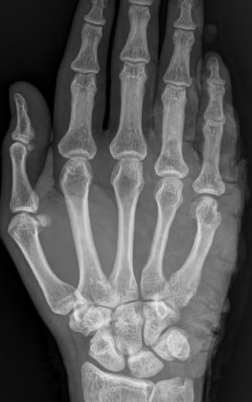
5 Common Drinks and Their Effects on Bone Health
5 Common Drinks and Their Effects on Bone Health: What You Should Know
Strong bones are essential for mobility, balance, and overall quality of life. While many people focus on foods like dairy products, vegetables, and supplements when thinking about bone health, beverages also play an important role. The drinks you consume regularly can influence your intake of important nutrients, hydration levels, and overall dietary patterns that support your skeletal system.
Some beverages provide nutrients that help maintain strong bones, while others may have effects that are less beneficial when consumed frequently or in large amounts. Understanding how common drinks affect bone health can help you make smarter choices for your long-term wellness.
This article explores five popular drinks and explains how they may influence your bones.
1. Milk: A Classic Bone-Supporting Beverage
Milk has long been associated with strong bones, and there are good reasons for its reputation. It naturally contains calcium, phosphorus, and protein—nutrients that play important roles in maintaining bone structure.
How Milk Supports Bone Health
Calcium Content
Calcium is a major mineral found in bones. Regular calcium intake helps support normal bone maintenance and strength.
A glass of milk provides a convenient source of calcium, especially for people who include dairy products in their diet.
Vitamin D Fortification
Many types of milk are fortified with vitamin D. Vitamin D helps the body absorb calcium effectively, making it an important partner for bone health.
Protein Support
Bones are not made only of minerals. They also contain a protein framework that provides structure. Milk provides high-quality protein that supports muscle and bone health.
Healthier Choices
Consider choosing:
- Low-fat milk
- Reduced-fat milk
- Fortified dairy alternatives if you avoid dairy
Plant-based drinks such as soy, almond, and oat beverages can also provide calcium when fortified.
2. Water: Essential for Overall Bone Wellness
Water is often overlooked when discussing bone health, but staying hydrated supports many body functions, including those related to movement and physical activity.
How Water Helps
Supports Physical Performance
Proper hydration helps muscles function efficiently. Strong muscles support bones by improving balance, coordination, and movement.
Helps Maintain Healthy Body Functions
Water contributes to circulation, nutrient transport, and normal cellular processes throughout the body.
Encourages Healthy Beverage Choices
Choosing water instead of sugary drinks may help reduce excessive sugar intake and support a healthier overall diet.
Tips for Drinking More Water
- Keep a reusable water bottle nearby.
- Drink water with meals.
- Add fresh fruit slices for flavor.
- Choose water instead of sugary beverages when possible.
While water does not directly build bones, it supports the healthy habits that help protect them.
3. Coffee: Benefits and Considerations
Coffee is one of the most popular beverages worldwide. It contains antioxidants and may fit into a healthy lifestyle, but its relationship with bone health depends on overall diet and consumption habits.
Possible Effects on Bone Health
Caffeine and Calcium Absorption
High caffeine intake may slightly affect calcium balance in the body. However, moderate coffee consumption is generally not considered harmful for most people who consume enough calcium in their diet.
Added Ingredients Matter
The effects of a coffee drink can change depending on what is added.
Examples:
- Black coffee contains few calories.
- Sweetened coffee drinks may contain high amounts of sugar.
- Cream-based beverages may contribute extra calories.
Tips for Bone-Friendly Coffee Habits
- Keep added sugar moderate.
- Ensure adequate calcium intake from foods.
- Avoid replacing nutrient-rich beverages with excessive coffee consumption.
Moderation and balance are key.
4. Soft Drinks: A Beverage to Limit
Sugary soft drinks are widely consumed, but frequent intake may not support optimal bone health.
Why Soft Drinks May Be a Concern
High Added Sugar Content
Regular consumption of sugary drinks can contribute to excess calorie intake and may replace healthier beverages that provide important nutrients.
Replacing Nutrient-Rich Choices
Someone who frequently drinks soda may consume less milk, fortified beverages, or other nutrient-rich options that support bone health.
Acidic Ingredients
Some soft drinks contain acids that may affect tooth enamel. While this is different from bone health, it highlights the importance of choosing beverages wisely.
Better Alternatives
Try replacing soda with:
- Water
- Sparkling water without added sugar
- Herbal tea
- Milk or fortified plant-based drinks
Enjoying an occasional soft drink as part of an overall balanced diet is different from making it a daily habit.
5. Alcoholic Drinks: Moderation Matters
Alcohol can have complex effects on the body, including the skeletal system.
How Alcohol May Affect Bones
Excessive Alcohol Intake
Heavy alcohol consumption may interfere with the body’s ability to maintain healthy bones by affecting nutrient absorption, hormone balance, and bone-forming processes.
Lifestyle Effects
High alcohol intake may also increase the risk of falls and injuries, which can be especially concerning for older adults.
Safer Approach
If you drink alcohol:
- Keep intake moderate.
- Avoid excessive consumption.
- Maintain a nutrient-rich diet.
- Stay physically active.
For some individuals, avoiding alcohol completely may be the healthiest choice.
Bonus: Green Tea and Bone Health
Although not one of the five most common beverages discussed above, green tea is worth mentioning.
Green tea contains plant compounds called antioxidants. Some research has explored possible connections between tea consumption and bone health, though more studies are needed to fully understand these effects.
Unsweetened green tea can be a healthy alternative to sugary beverages.
Key Nutrients for Strong Bones
Regardless of your beverage choices, your overall diet matters most.
Important nutrients for bone health include:
Calcium
Sources:
- Milk
- Yogurt
- Cheese
- Fortified plant-based beverages
- Leafy greens
Vitamin D
Sources:
- Fortified foods
- Fatty fish
- Eggs
- Sun exposure when appropriate
Protein
Sources:
- Fish
- Poultry
- Eggs
- Beans
- Lentils
- Dairy products
Magnesium
Sources:
- Nuts
- Seeds
- Whole grains
- Vegetables
A balanced diet provides the foundation for maintaining strong bones.
Healthy Beverage Swaps for Better Bone Support
Small changes can make a difference.
Instead of:
Sugary soda
Try: Water or sparkling water
Sweetened coffee drinks
Try: Unsweetened coffee with milk
High-sugar energy drinks
Try: Water, herbal tea, or a balanced snack
Frequent alcoholic beverages
Try: Non-alcoholic options or healthier alternatives
The goal is not perfection—it is creating sustainable habits.
Frequently Asked Questions
Does drinking milk make bones stronger?
Milk provides calcium, protein, and often vitamin D, which are nutrients important for bone health. However, strong bones also depend on exercise, overall nutrition, and other lifestyle factors.
Is coffee bad for your bones?
Moderate coffee consumption is generally considered compatible with bone health for most people, especially when calcium intake is adequate.
Does soda weaken bones?
Regular high consumption of sugary soft drinks may be linked with less healthy dietary patterns. Replacing nutrient-rich beverages with soda may reduce intake of nutrients important for bone health.
How much water should I drink for healthy bones?
Hydration needs vary based on factors such as age, activity level, climate, and health status. Drinking water regularly throughout the day is a good general habit.
Final Thoughts
The beverages you choose every day can contribute to your overall approach to bone health. Drinks like milk and water can support healthy habits, while beverages high in added sugar or excessive alcohol may be less beneficial when consumed frequently.
The best strategy is to focus on balance: choose nutrient-rich drinks more often, stay hydrated, maintain a calcium- and vitamin D-rich diet, and stay physically active.
Healthy bones are built through consistent daily choices, and your beverage habits are one simple part of that bigger picture.
