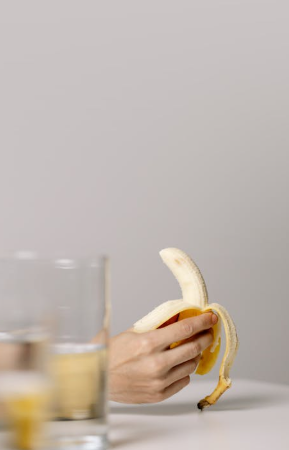
Eating Bananas at Night: What Happens to Your Body?
Bananas are one of the world’s most popular fruits, known for their natural sweetness, convenience, and impressive nutritional profile. They are rich in essential nutrients such as potassium, vitamin B6, fiber, and carbohydrates, making them a common choice for breakfast, snacks, and smoothies.
But what happens if you eat a banana before going to bed?
Some people believe that eating bananas at night may help with sleep, while others worry that the fruit’s natural sugar content could affect weight or digestion. The truth is more balanced: for most healthy people, eating a banana at night is generally safe and may offer several nutritional benefits.
However, the effects can vary depending on your overall diet, health conditions, and individual digestion.
Nutritional Benefits of Bananas
A medium banana provides a variety of nutrients, including:
- Potassium
- Vitamin B6
- Vitamin C
- Dietary fiber
- Natural carbohydrates
- Small amounts of magnesium
These nutrients support several important body functions, including:
- Muscle function
- Nerve signaling
- Energy production
- Digestive health
Eating a banana at night simply means your body receives these nutrients during the evening hours.
1. May Support Better Sleep
One of the most common reasons people eat bananas at night is the belief that they may improve sleep.
Bananas contain nutrients involved in the body’s natural sleep processes, including:
Magnesium
Magnesium plays a role in:
- Muscle relaxation
- Nerve function
- Normal sleep regulation
While bananas are not extremely high in magnesium compared with some nuts and seeds, they do contribute a small amount.
Vitamin B6
Vitamin B6 helps the body produce neurotransmitters, including:
- Serotonin
- Melatonin-related compounds
These chemicals are involved in regulating mood and sleep cycles.
However, eating one banana is not a guaranteed sleep remedy. Sleep quality depends on many factors, including stress, lifestyle habits, environment, and overall health.
2. May Prevent Late-Night Hunger
A banana can be a satisfying evening snack because it contains:
- Fiber
- Carbohydrates
- Natural sweetness
Fiber slows digestion and may help you feel full longer.
For people who often feel hungry before bed, a banana may be a healthier choice than snacks high in:
- Added sugar
- Saturated fats
- Excess calories
Examples of less balanced nighttime snacks include:
- Candy
- Cookies
- Sugary drinks
3. Supports Muscle Function
Bananas are well known for their potassium content.
Potassium is an essential mineral that helps support:
- Muscle contractions
- Nerve signals
- Fluid balance
For people who exercise regularly, maintaining adequate potassium intake is important for normal muscle function.
Some athletes eat bananas before or after exercise because they provide easily available carbohydrates.
4. May Support Digestive Health
Bananas contain dietary fiber, including a type called resistant starch (especially in less ripe bananas).
Fiber supports digestive health by helping:
- Maintain regular bowel movements
- Support healthy gut bacteria
- Improve feelings of fullness
A ripe banana may be easier for many people to digest, while less ripe bananas contain more resistant starch.
5. Provides Natural Energy
Bananas contain natural carbohydrates, which provide the body with energy.
Eating a banana at night gives your body:
- Glucose for immediate energy
- Stored energy support through carbohydrate metabolism
For most people, this is not a problem because the body continues using energy while sleeping for basic functions such as:
- Breathing
- Circulation
- Brain activity
Does Eating a Banana at Night Cause Weight Gain?
A common concern is whether eating fruit before bed leads to weight gain.
The answer depends on your total daily calorie intake.
Weight gain occurs when you consistently consume more calories than your body uses—not simply because you eat a particular food at a specific time.
A medium banana contains roughly around 100 calories, making it a relatively moderate snack.
However, eating multiple high-calorie snacks late at night may contribute to excess calorie intake.
Can Bananas Raise Blood Sugar at Night?
Bananas contain natural sugars, so they can increase blood glucose levels.
For most healthy people, this is not a concern.
However, people with:
- Diabetes
- Insulin resistance
- Blood sugar management concerns
may need to consider portion size and timing.
Combining a banana with a source of protein or healthy fat may slow digestion and reduce rapid blood sugar changes.
Examples:
- Banana with peanut butter
- Banana with plain yogurt
- Banana with nuts
People with diabetes should follow personalized dietary advice from their healthcare provider.
Possible Downsides of Eating Bananas Before Bed
Although bananas are healthy, they may not be ideal for everyone.
1. Digestive Discomfort
Some people may experience:
- Bloating
- Gas
- Stomach discomfort
This may depend on individual sensitivity and the amount consumed.
2. Acid Reflux Symptoms
Some people with digestive conditions may notice that certain foods worsen nighttime discomfort.
If eating bananas before bed seems to trigger:
- Heartburn
- Regurgitation
- Stomach discomfort
it may be better to avoid them close to bedtime.
3. Kidney Conditions and Potassium Intake
People with certain kidney problems may need to monitor potassium intake because the kidneys help regulate potassium levels in the body.
Anyone with kidney disease should follow guidance from a healthcare professional regarding high-potassium foods.
Best Time to Eat a Banana
There is no single “perfect” time to eat bananas.
They can be enjoyed:
Morning
As part of breakfast for energy and nutrients.
Before Exercise
For quick carbohydrate support.
After Exercise
To help replenish energy stores.
At Night
As a light snack if it fits your dietary needs.
The best timing depends on your routine, hunger levels, and health goals.
Healthy Ways to Eat a Banana at Night
If you enjoy bananas before bed, consider pairing them with other nutritious foods.
Banana With Greek Yogurt
Provides:
- Protein
- Calcium
- Fiber
Banana With Nut Butter
Provides:
- Healthy fats
- Protein
- More lasting fullness
Banana Smoothie
Combine with:
- Milk or yogurt
- Nuts or seeds
- Cinnamon
Avoid adding large amounts of sugar.
Who May Want to Avoid Eating Bananas Late at Night?
Most people can enjoy bananas safely, but caution may be needed for individuals who:
- Have kidney disease
- Need strict potassium control
- Experience digestive discomfort
- Have blood sugar concerns
A healthcare professional can provide advice based on personal health needs.
Frequently Asked Questions
Is it bad to eat a banana before sleeping?
No. For most healthy people, eating a banana before bed is safe and can be a nutritious snack.
Can bananas help you sleep?
Bananas contain nutrients involved in normal sleep-related processes, but they are not a guaranteed sleep aid.
Do bananas cause weight gain at night?
Eating a banana at night does not automatically cause weight gain. Overall calorie intake matters more than timing alone.
Is one banana enough for a nighttime snack?
For many people, one medium banana is a reasonable portion. Those needing more protein or fullness may pair it with yogurt, nuts, or nut butter.
Final Thoughts
Eating a banana at night is generally a healthy choice for most people. This simple fruit provides fiber, potassium, vitamin B6, and natural carbohydrates that can support overall nutrition.
While bananas may contribute to relaxation and help satisfy nighttime hunger, they are not a cure for sleep problems or a replacement for a balanced diet.
If a banana fits your nutritional needs and does not cause digestive issues, enjoying one in the evening can be a convenient and nourishing habit.
