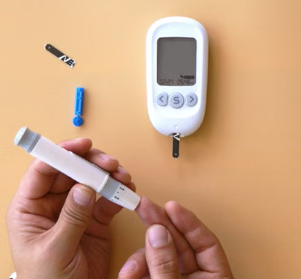
Diabetes Symptoms at Night: 7 Signs You Shouldn’t Ignore
Diabetes is a chronic condition that affects how the body processes blood sugar (glucose). While many people associate diabetes symptoms with daytime issues such as increased thirst or frequent urination, some warning signs can become more noticeable during the night.
Nighttime symptoms may disturb sleep, affect energy levels, and sometimes indicate that blood sugar levels are not properly controlled. Recognizing these signs early can encourage timely medical evaluation and help prevent potential complications.
This article explores 7 nighttime diabetes symptoms you should never ignore, why they happen, and when you should consider speaking with a healthcare professional.
Why Do Diabetes Symptoms Appear at Night?
Blood glucose levels naturally change throughout the day and night. In people with diabetes, these fluctuations can become more significant due to problems with insulin production or insulin use.
During sleep, the body continues to regulate blood sugar. However, factors such as:
- Insufficient insulin
- Medication timing
- Late-night meals
- Stress hormones
- Physical activity levels
- Hormonal changes
can cause blood sugar to become too high or too low.
Both high blood sugar (hyperglycemia) and low blood sugar (hypoglycemia) can create nighttime symptoms.
1. Frequent Nighttime Urination (Nocturia)
One of the most common nighttime signs associated with diabetes is waking up frequently to urinate.
When blood sugar levels become too high, the kidneys try to remove the excess glucose through urine. This process pulls additional water from the body, increasing urine production.
You may notice:
- Waking up multiple times during the night
- A stronger urge to urinate
- Increased thirst after using the bathroom
- Disrupted sleep
Occasional nighttime urination can happen for many reasons, but frequent episodes may be worth discussing with a healthcare professional.
2. Excessive Thirst at Night
High blood sugar can cause dehydration, leading to increased thirst.
A person may experience:
- Waking up with a dry mouth
- Needing water during the night
- Feeling unusually thirsty despite drinking fluids
This symptom often occurs alongside frequent urination because the body is losing more fluid than usual.
Persistent nighttime thirst should not be ignored, especially if combined with other diabetes-related symptoms.
3. Night Sweats
Unexpected sweating during sleep may be linked to blood sugar fluctuations.
Night sweats can occur when blood glucose drops too low, triggering the release of stress hormones such as adrenaline. This may cause:
- Heavy sweating
- Damp clothing or bedding
- A racing heartbeat
- Anxiety or restlessness
- Sudden waking
Low blood sugar at night can be particularly concerning for people taking insulin or certain diabetes medications.
4. Difficulty Sleeping or Frequent Waking
Diabetes can interfere with sleep in several ways.
Blood sugar changes may cause:
- Restlessness
- Repeated awakenings
- Difficulty falling asleep
- Feeling uncomfortable during the night
Additionally, diabetes is associated with conditions that may affect sleep, such as:
- Sleep apnea
- Nerve discomfort
- Increased urination
Poor sleep can also make blood sugar management more difficult, creating a cycle that affects overall health.
5. Tingling, Burning, or Numbness in the Feet
A common diabetes complication is diabetic neuropathy, a type of nerve damage caused by prolonged high blood sugar levels.
Symptoms may become more noticeable at night because there are fewer distractions.
Signs include:
- Burning sensations in the feet
- Tingling
- Pins-and-needles feelings
- Numbness
- Increased sensitivity to touch
Nighttime foot discomfort can interfere with sleep and may indicate the need for medical evaluation.
6. Sudden Hunger or Shakiness During the Night
Waking up extremely hungry, shaky, or anxious may be a sign of nighttime low blood sugar.
Possible symptoms include:
- Trembling
- Sweating
- Fast heartbeat
- Hunger
- Irritability
- Confusion
- Feeling weak
This is especially important for people with diabetes who use insulin or medications that can lower blood glucose.
If these episodes occur regularly, medical advice can help identify the cause and adjust treatment if needed.
7. Morning Fatigue Despite Enough Sleep
Feeling exhausted after a full night’s rest may sometimes be connected to nighttime blood sugar problems.
Possible reasons include:
- Repeated awakenings due to urination
- Blood sugar fluctuations
- Sleep disturbances
- Nighttime low blood sugar episodes
- Sleep apnea, which is more common among people with diabetes
Signs that your sleep quality may be affected include:
- Waking up tired
- Difficulty concentrating
- Low energy throughout the day
- Feeling sleepy despite adequate sleep time
Other Diabetes Warning Signs to Watch For
Although this article focuses on nighttime symptoms, diabetes may also cause daytime signs such as:
- Increased hunger
- Unexplained weight loss
- Slow-healing wounds
- Blurred vision
- Frequent infections
- Dry skin
- Increased fatigue
- Frequent thirst
Some people with type 2 diabetes may have mild symptoms or no noticeable symptoms for years.
Who Is at Higher Risk of Diabetes?
Certain factors increase the likelihood of developing diabetes.
These include:
- Family history of diabetes
- Being overweight or obese
- Physical inactivity
- High blood pressure
- High cholesterol
- History of gestational diabetes
- Increasing age
- Polycystic ovary syndrome (PCOS)
- Certain ethnic backgrounds with higher diabetes risk
Having risk factors does not guarantee that someone will develop diabetes, but it may make regular screening more important.
Why Nighttime Blood Sugar Control Matters
Maintaining healthy blood sugar levels throughout the day and night is important because prolonged high glucose can damage blood vessels and nerves.
Poorly controlled diabetes may increase the risk of:
- Heart disease
- Kidney problems
- Vision complications
- Nerve damage
- Foot problems
Monitoring blood glucose and following a personalized treatment plan can help reduce these risks.
How to Manage Diabetes Symptoms at Night
If you experience nighttime diabetes symptoms, several lifestyle habits may help improve blood sugar control.
Maintain a Balanced Dinner
Choose meals that include:
- Lean protein
- Fiber-rich carbohydrates
- Vegetables
- Healthy fats
Avoid excessive amounts of sugary foods and refined carbohydrates, especially late at night.
Monitor Blood Sugar as Recommended
People with diabetes may need to check glucose levels at specific times, including before bedtime, depending on their treatment plan.
Continuous glucose monitors may also help some individuals track overnight changes.
Stay Physically Active
Regular exercise improves insulin sensitivity and helps regulate blood sugar.
Aim for consistent activity based on your health condition and healthcare provider’s advice.
Follow Medication Instructions
Take diabetes medications exactly as prescribed.
Do not change doses or timing without discussing it with a healthcare professional.
Improve Sleep Habits
Good sleep hygiene can support better blood sugar management.
Helpful habits include:
- Keeping a regular sleep schedule
- Limiting caffeine late in the day
- Creating a comfortable sleep environment
- Reducing screen use before bedtime
When Should You See a Doctor?
You should consider medical advice if you experience:
- Frequent nighttime urination
- Excessive thirst
- Repeated episodes of night sweating
- Unexplained weight changes
- Persistent fatigue
- Tingling or numbness in the feet
- Symptoms of low blood sugar
A healthcare professional can perform tests such as a fasting blood glucose test or an A1C test to check average blood sugar levels over time.
Frequently Asked Questions
Can diabetes symptoms get worse at night?
Yes. Blood sugar fluctuations, medication effects, and sleep-related conditions can make certain diabetes symptoms more noticeable during nighttime hours.
Does waking up to urinate every night mean I have diabetes?
Not necessarily. Nighttime urination can have many causes, including drinking too much fluid before bed, certain medications, bladder conditions, or sleep disorders. However, frequent urination combined with thirst or other symptoms should be evaluated.
Can low blood sugar happen while sleeping?
Yes. People using insulin or certain diabetes medications may experience nighttime hypoglycemia. Symptoms may include sweating, nightmares, shaking, hunger, and waking up feeling confused or tired.
What is the best bedtime blood sugar level?
Target blood sugar levels vary depending on age, health status, diabetes type, medications, and individual treatment goals. A healthcare professional can provide personalized guidance.
Final Thoughts
Nighttime symptoms can sometimes provide important clues about blood sugar problems. Signs such as frequent urination, excessive thirst, night sweats, disrupted sleep, tingling feet, nighttime hunger, and unexplained morning fatigue should not be ignored—especially when they occur together.
Early detection and proper diabetes management can help prevent complications and improve quality of life. If you notice persistent symptoms, speak with a healthcare professional for appropriate testing and advice.
