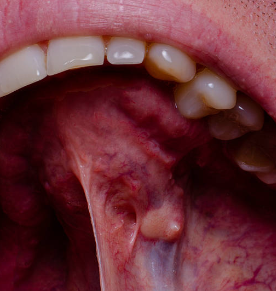
8 Signs Your Body May Be Telling You Something About Your Health
The human body is constantly sending signals about its condition. Sometimes these signs are easy to overlook because they seem minor or temporary, but changes in energy levels, skin, sleep, digestion, or physical appearance may provide important clues about overall health.
While a single symptom does not always indicate a serious problem, paying attention to persistent or unusual changes can help you make informed decisions about your well-being. Your body’s signals are not a diagnosis, but they can be a reason to adjust your habits, monitor changes, or speak with a healthcare professional.
Here are eight common signs that may indicate your body needs extra attention.
1. Constant Fatigue Despite Getting Enough Sleep
Feeling tired after a busy day is normal, but ongoing fatigue that does not improve with adequate rest may be worth noticing.
Persistent tiredness can be linked to many factors, including:
- Poor sleep quality
- Stress
- Nutrient deficiencies
- Lack of physical activity
- Certain medications
- Underlying health conditions
For example, low levels of certain nutrients, such as iron or vitamin B12, may contribute to feelings of weakness or low energy in some people. Sleep disorders and hormonal changes can also affect how refreshed you feel.
What You Can Do
Consider tracking:
- How many hours you sleep
- Your energy levels throughout the day
- Your diet and activity patterns
- Any other symptoms that appear alongside fatigue
If tiredness continues for weeks, interferes with daily activities, or is accompanied by other concerning symptoms, consult a healthcare professional.
2. Changes in Your Skin
Your skin can sometimes reflect what is happening inside your body. Changes such as unusual dryness, persistent itching, or changes in color may deserve attention.
Possible signs to notice include:
- Excessive dryness
- Sudden breakouts
- Slow-healing wounds
- Unusual rashes
- Changes in skin texture
Skin changes may be caused by everyday factors such as weather, skincare products, or allergies. However, persistent changes can sometimes be associated with nutritional issues, hormonal changes, or other health concerns.
Healthy Skin Habits
Support your skin by:
- Drinking enough fluids
- Eating a balanced diet
- Using gentle skincare products
- Protecting your skin from excessive sun exposure
If a skin change appears suddenly or does not improve, professional advice can help identify the cause.
3. Frequent Thirst or Dry Mouth
Occasional thirst is normal, especially after exercise or spending time in hot weather. However, excessive thirst that continues despite drinking fluids may be a sign that your body is experiencing an imbalance.
Possible causes include:
- Dehydration
- Certain medications
- Increased fluid loss
- Elevated blood sugar levels
If increased thirst occurs along with frequent urination, unexplained weight changes, or unusual tiredness, it may be a reason to seek medical advice.
Helpful Steps
Pay attention to:
- How much water you drink
- How often you urinate
- Whether thirst feels unusual for your lifestyle
Maintaining proper hydration is an important part of overall health.
4. Changes in Digestion
Your digestive system can provide valuable clues about your health.
Common digestive changes that people notice include:
- Bloating
- Constipation
- Diarrhea
- Changes in appetite
- Persistent stomach discomfort
Occasional digestive issues are common and may be related to diet, stress, or temporary infections. However, ongoing changes may require evaluation.
Support Digestive Health
Helpful habits include:
- Eating enough fiber
- Drinking sufficient water
- Including fruits and vegetables
- Staying physically active
- Eating slowly and mindfully
If digestive symptoms are severe, persistent, or accompanied by unexplained weight loss or bleeding, seek medical guidance.
5. Unexplained Weight Changes
Changes in weight can happen for many reasons, including changes in diet, activity level, stress, or lifestyle.
However, losing or gaining weight without intentionally changing your habits may be a signal worth discussing with a healthcare provider.
Possible contributing factors can include:
- Changes in metabolism
- Hormonal conditions
- Medication effects
- Stress
- Changes in appetite
What to Monitor
Keep track of:
- When the weight change started
- How quickly it occurred
- Changes in eating habits
- Other symptoms you may notice
Understanding the pattern can help healthcare professionals identify possible causes.
6. Poor Sleep or Frequent Nighttime Waking
Sleep plays a major role in physical and mental health. Occasional restless nights are common, but ongoing sleep problems may affect mood, concentration, immune function, and energy.
Signs of poor sleep may include:
- Difficulty falling asleep
- Waking frequently during the night
- Feeling tired after sleeping
- Trouble staying alert during the day
Common contributors include:
- Stress
- Irregular schedules
- Caffeine intake
- Screen use before bedtime
- Certain health conditions
Improve Sleep Quality
Try:
- Keeping a consistent bedtime
- Creating a relaxing evening routine
- Limiting bright screens before sleep
- Making your bedroom comfortable and quiet
Persistent sleep problems should be discussed with a healthcare professional.
7. Changes in Hair, Nails, or Strength
Hair and nails can sometimes reflect nutritional status and overall wellness.
Signs to pay attention to include:
- Increased hair shedding
- Brittle nails
- Slow nail growth
- Changes in hair texture
- Reduced physical strength
Possible factors include:
- Nutrient deficiencies
- Stress
- Hormonal changes
- Aging
- Certain medical conditions
Supporting Hair and Nail Health
A balanced diet containing:
- Protein
- Healthy fats
- Vitamins
- Minerals
can support normal growth and maintenance.
If changes are sudden or significant, medical evaluation may help determine the cause.
8. Frequent Aches, Pain, or Changes in Physical Comfort
Occasional soreness after activity is normal. However, persistent pain, stiffness, or discomfort that affects daily life should not be ignored.
Pay attention to:
- Pain that lasts for weeks
- Increasing discomfort
- Reduced mobility
- Swelling
- Changes after normal activities
Pain can have many causes, ranging from simple strain to conditions requiring treatment.
When to Seek Advice
Consider speaking with a healthcare professional if pain:
- Does not improve with rest
- Gets worse over time
- Limits your activities
- Appears with other unusual symptoms
Why Listening to Your Body Matters
Your body communicates through changes in sensation, appearance, energy, and function. Learning to notice these patterns does not mean assuming every symptom is a sign of illness. Instead, it means becoming more aware of your normal state and recognizing when something feels different.
Regular health checkups, preventive care, and healthy daily habits all play important roles in maintaining well-being.
Simple Ways to Support Your Overall Health
Many everyday habits can help your body function at its best:
Eat a Balanced Diet
Include a variety of:
- Vegetables
- Fruits
- Whole grains
- Protein sources
- Healthy fats
Stay Physically Active
Regular movement supports heart health, muscles, mood, and energy levels.
Prioritize Sleep
Quality sleep allows the body to recover and maintain normal functions.
Manage Stress
Relaxation techniques, hobbies, social connections, and mindfulness practices may help support emotional health.
Attend Regular Checkups
Routine medical visits can help identify potential concerns early.
When Should You Talk to a Healthcare Professional?
It is a good idea to seek medical advice if you notice:
- Symptoms that persist or worsen
- Sudden unexplained changes
- Severe pain
- Changes that interfere with daily activities
- Multiple symptoms occurring together
A healthcare professional can provide proper evaluation and guidance based on your personal health history.
Final Thoughts
Your body often provides subtle signals when something changes. Persistent fatigue, unusual skin changes, digestive problems, sleep issues, unexplained weight changes, and other symptoms may be signs that deserve attention.
The goal is not to worry about every small change, but to become aware of your body’s patterns and take action when something feels unusual. Healthy habits, regular checkups, and timely medical advice can help you better understand and care for your body.
Listening to your body is one of the simplest steps you can take toward supporting long-term health and wellness.
