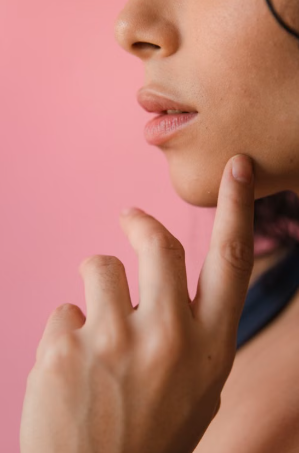
Why Do Some Women Develop Chin Hair? Common Causes Explained
Introduction
Discovering a few hairs on the chin is a common experience for many women. While it can sometimes be surprising or frustrating, chin hair growth is often a normal part of aging and hormonal changes. In fact, many women notice changes in facial hair patterns throughout different stages of life, including puberty, pregnancy, and menopause.
Hair growth patterns vary greatly from person to person and are influenced by genetics, hormones, ethnicity, and overall health. While occasional chin hairs are usually harmless, excessive or sudden facial hair growth may sometimes indicate an underlying medical condition that deserves attention.
Understanding the possible causes of chin hair can help women make informed decisions about hair removal options and know when it may be appropriate to consult a healthcare professional.
This article explores the most common reasons why some women develop chin hair, available treatment options, and when medical advice may be beneficial.
Is Chin Hair in Women Normal?
Yes, mild facial hair growth is completely normal for women.
Most women naturally have fine, light-colored facial hair known as vellus hair, which covers much of the body. In some cases, certain facial hairs may become thicker, darker, and more noticeable over time.
A few coarse hairs on the chin or jawline are generally not considered unusual, especially as women get older.
How Hair Growth Is Controlled
Hair growth is influenced by several factors, including:
- Hormones
- Genetics
- Age
- Ethnicity
- Overall health
One of the main factors affecting facial hair growth is the balance between female hormones and hormones known as androgens.
Although often referred to as male hormones, androgens are naturally present in women as well, usually in much smaller amounts.
1. Hormonal Changes
Hormonal fluctuations are among the most common reasons for chin hair growth in women.
Changes in hormone levels can occur during:
- Puberty
- Pregnancy
- Perimenopause
- Menopause
As estrogen levels decline with age, the relative influence of androgens may become more noticeable, which can contribute to increased facial hair growth.
Menopause and Chin Hair
Many women first notice chin hairs during their 40s or 50s.
Possible contributing factors include:
- Reduced estrogen production
- Hormonal shifts
- Changes in hair follicle sensitivity
This is considered a normal part of aging for many women.
2. Genetics
Family history plays a major role in determining hair growth patterns.
If close relatives have experienced:
- Chin hair
- Facial hair growth
- Thicker body hair
you may be more likely to notice similar changes yourself.
Genetics influence:
- Hair thickness
- Hair color
- Hair density
- Hair growth location
3. Ethnic Background
Facial hair growth patterns vary among different populations.
Women from certain ethnic backgrounds may naturally have:
- Darker facial hair
- Thicker hair strands
- More visible hair growth
This variation is usually normal and reflects genetic diversity rather than illness.
4. Polycystic Ovary Syndrome (PCOS)
One of the most common medical causes of excessive facial hair growth in women is hirsutism, often associated with Polycystic Ovary Syndrome.
PCOS is a hormonal condition that can lead to increased androgen production.
Symptoms of PCOS May Include
- Irregular periods
- Acne
- Weight gain
- Scalp hair thinning
- Increased facial hair
- Difficulty becoming pregnant
Not every woman with chin hair has PCOS, but significant facial hair growth may warrant medical evaluation.
5. Increased Sensitivity to Androgens
Some women have normal hormone levels but hair follicles that are more sensitive to androgens.
This increased sensitivity may result in:
- Chin hair growth
- Upper lip hair
- Hair along the jawline
This condition can occur even when blood tests show normal hormone levels.
6. Certain Medications
Some medications may contribute to increased hair growth as a side effect.
Examples include:
- Certain steroid medications
- Some hormone therapies
- Certain seizure medications
Never stop taking prescribed medications without discussing concerns with your healthcare provider.
7. Adrenal Gland Disorders
The adrenal glands produce several hormones, including androgens.
Certain adrenal conditions may occasionally contribute to:
- Excess facial hair
- Acne
- Menstrual changes
These disorders are less common but may require medical assessment.
8. Rare Hormonal Conditions
In uncommon situations, excessive facial hair growth may be associated with:
- Hormone-producing tumors
- Endocrine disorders
- Metabolic conditions
These causes are relatively rare but should be considered if symptoms develop rapidly or become severe.
When Should Chin Hair Be Evaluated?
Occasional chin hairs are generally not a cause for concern.
However, consider speaking with a healthcare professional if you experience:
- Sudden increase in facial hair
- Rapid hair growth
- Irregular menstrual cycles
- Deepening voice
- Severe acne
- Hair loss on the scalp
- Unexplained weight changes
These symptoms may suggest an underlying hormonal imbalance.
What Is Hirsutism?
Hirsutism refers to excessive growth of coarse, dark hair in areas where men typically grow hair, including:
- Chin
- Upper lip
- Chest
- Abdomen
- Back
The condition affects many women worldwide and can vary from mild to severe.
How Doctors Evaluate Facial Hair Growth
Medical evaluation may include:
Medical History
Questions may focus on:
- Family history
- Menstrual cycles
- Medication use
- Symptom duration
Physical Examination
Healthcare providers may assess:
- Hair distribution
- Skin changes
- Signs of hormonal imbalance
Blood Tests
Laboratory testing may evaluate:
- Hormone levels
- Thyroid function
- Blood sugar levels
Imaging Tests
In certain situations, ultrasound or additional imaging studies may be recommended.
Common Hair Removal Options
Many women choose to remove unwanted facial hair for cosmetic reasons.
Tweezing
Suitable for isolated hairs.
Advantages
- Inexpensive
- Simple
- Widely available
Waxing
Removes multiple hairs at once.
Considerations
- Temporary redness may occur.
- Results usually last several weeks.
Threading
A popular option for facial hair removal.
Shaving
Contrary to common myths, shaving does not make hair grow back thicker or darker.
Depilatory Creams
Chemical creams dissolve hair near the skin surface.
Patch testing is recommended before use.
Laser Hair Removal
Laser treatments may provide longer-lasting reduction in hair growth.
Multiple sessions are often required.
Electrolysis
Electrolysis destroys individual hair follicles and may provide permanent results.
Can Lifestyle Changes Help?
Lifestyle changes may help support hormonal health in some situations.
Examples include:
- Regular exercise
- Balanced nutrition
- Weight management
- Adequate sleep
- Stress management
For women with PCOS, lifestyle measures may form part of a broader treatment plan.
Emotional Impact of Facial Hair
Facial hair can sometimes affect:
- Confidence
- Self-esteem
- Social comfort
It’s important to remember that facial hair growth in women is extremely common and often reflects normal biological variation.
Frequently Asked Questions
Is chin hair in women normal?
Yes. Many women develop some chin hair as they age.
Does shaving make chin hair worse?
No. Shaving does not increase hair thickness or growth rate.
Is chin hair always caused by hormone problems?
No. Genetics and aging are among the most common causes.
Can menopause increase facial hair growth?
Yes. Hormonal changes during menopause can contribute to chin hair development.
When should I see a doctor?
Medical evaluation may be helpful if facial hair growth is sudden, severe, or accompanied by other symptoms.
Conclusion
Chin hair growth in women is a common and often normal occurrence influenced by hormones, genetics, aging, and individual biology. For many women, a few chin hairs are simply part of the natural aging process and do not indicate a health problem.
However, excessive or rapidly developing facial hair may sometimes signal an underlying hormonal condition such as PCOS or another endocrine disorder. Recognizing associated symptoms and seeking medical advice when appropriate can help identify potential causes and guide treatment options.
Whether you choose to remove chin hair or leave it alone is entirely a personal decision. Understanding why it occurs can make the experience less concerning and help women make informed choices about their health and appearance.
