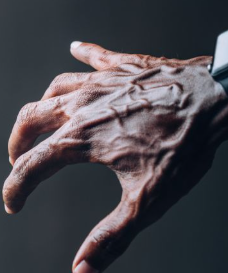
Visible Veins: What They May Reveal About Your Health
Visible veins are a common body feature that many people notice, especially on their hands, arms, legs, and feet. For some individuals, prominent veins are simply a result of genetics, body composition, or aging. For others, changes in how veins appear may provide clues about circulation, skin health, or other underlying factors.
Seeing more veins does not automatically mean there is a health problem. In many cases, visible veins are completely normal and harmless. However, sudden changes, painful veins, swelling, or other unusual symptoms may require medical attention.
Understanding why veins become more noticeable can help you recognize normal changes and identify situations where professional advice may be helpful.
Why Are Veins Visible?
Veins are blood vessels responsible for carrying blood back to the heart. They naturally sit closer to the skin’s surface in some areas of the body, making them easier to see.
Several factors influence how visible veins appear, including:
- Genetics
- Age
- Skin thickness
- Body fat percentage
- Physical activity
- Hydration
- Temperature
- Hormonal changes
- Blood circulation
Some people naturally have more prominent veins due to inherited traits, while others develop more visible veins over time.
1. Low Body Fat Can Make Veins More Noticeable
One of the most common reasons veins become visible is a lower amount of body fat beneath the skin.
Subcutaneous fat acts as a layer between the skin and veins. When this layer is thinner, veins may appear more prominent.
This is often seen in:
- Athletes
- People who exercise regularly
- Individuals with naturally lean body types
Visible veins in someone who is otherwise healthy are usually not a cause for concern.
2. Exercise Can Increase Vein Visibility
Physical activity, especially strength training and endurance exercise, can temporarily make veins stand out more.
During exercise:
- Blood flow increases
- Muscles expand
- Blood vessels widen temporarily
This effect, sometimes called a muscle pump, can make veins appear more noticeable after workouts.
Athletes and people who regularly lift weights often have more visible veins because of increased muscle development and lower body fat levels.
3. Aging and Thinning Skin
As people age, skin naturally becomes thinner and loses some elasticity.
Changes associated with aging may include:
- Less collagen production
- Reduced skin thickness
- Loss of protective fat under the skin
As a result, veins on the hands, arms, and legs may become easier to see.
This is a normal part of aging for many people.
4. Dehydration May Make Veins Appear More Prominent
Fluid levels in the body can influence how veins look.
When the body is dehydrated:
- Blood volume may decrease
- Skin may appear less full
- Veins may become more noticeable
Other signs of dehydration can include:
- Dry mouth
- Dark urine
- Fatigue
- Dizziness
Maintaining adequate fluid intake supports healthy circulation and overall wellness.
5. Visible Veins and Genetics
Some people naturally have more visible veins because of their family traits.
Genetics can influence:
- Skin thickness
- Vein size
- Body structure
- Fat distribution
If family members have prominent veins, you may simply have inherited the same characteristic.
6. Pregnancy and Hormonal Changes
Hormonal changes and increased blood volume during pregnancy can make veins more noticeable.
Pregnancy may contribute to:
- More visible veins in the breasts
- Enlarged veins in the legs
- Spider veins
- Varicose veins
These changes often improve after pregnancy, although some vein changes may remain.
7. Varicose Veins and Circulation Problems
While many visible veins are harmless, some may be related to circulation issues.
Varicose veins are enlarged, twisted veins that commonly appear on the legs.
They may be associated with:
- Aching or heaviness in the legs
- Swelling
- Itching
- Skin changes
- Discomfort after standing for long periods
Varicose veins occur when valves inside veins do not work properly, causing blood to pool.
8. Spider Veins
Spider veins are small, web-like clusters of red, blue, or purple veins near the skin’s surface.
They are usually harmless but may develop due to:
- Genetics
- Hormonal changes
- Aging
- Prolonged standing
- Sun exposure
They commonly appear on the legs and face.
9. Visible Veins on Hands and Arms
Prominent veins on the hands and arms are very common.
They often become more noticeable because of:
- Aging skin
- Regular exercise
- Lower body fat
- Genetics
For many people, visible hand veins are simply a normal physical feature.
10. When Visible Veins May Need Medical Attention
Visible veins are usually not dangerous, but certain changes should be evaluated by a healthcare professional.
Seek medical advice if you notice:
- Sudden appearance of unusual veins
- Painful or tender veins
- Redness or warmth around a vein
- Significant swelling
- Skin discoloration
- Ulcers near veins
- One-sided leg swelling
These symptoms may indicate circulation problems or other conditions that require evaluation.
How to Support Healthy Veins
Maintaining healthy circulation can help support vein health.
Stay Physically Active
Regular movement helps blood circulate efficiently.
Helpful activities include:
- Walking
- Swimming
- Cycling
- Strength training
Maintain a Healthy Weight
A healthy weight reduces pressure on veins, especially in the legs.
Avoid Sitting or Standing for Long Periods
Long periods of inactivity can affect circulation.
Try to:
- Move regularly
- Stretch your legs
- Change positions throughout the day
Stay Hydrated
Adequate hydration supports normal blood flow and overall health.
Eat a Balanced Diet
Foods rich in:
- Fiber
- Fruits
- Vegetables
- Lean proteins
- Healthy fats
support cardiovascular and vascular health.
Can Visible Veins Be Reduced?
The appearance of veins depends on the underlying cause.
Lifestyle approaches may help improve circulation, but natural vein visibility due to genetics, aging, or body composition cannot always be changed.
Medical treatments for certain vein conditions may include:
- Compression therapy
- Laser treatments
- Sclerotherapy
- Other procedures recommended by specialists
Treatment decisions depend on symptoms and medical evaluation.
Frequently Asked Questions
Are Visible Veins a Sign of Good Health?
Not necessarily. Visible veins can occur in healthy people, but they are not a direct measurement of fitness or health.
Why Are My Veins Suddenly More Visible?
Sudden changes may occur due to weight loss, dehydration, exercise changes, aging, temperature changes, or other factors. Persistent or unusual changes should be checked by a healthcare professional.
Are Veiny Hands Normal?
Yes. Visible hand veins are common, especially with aging, exercise, and thinner skin.
Do Visible Veins Mean Poor Circulation?
No. Many visible veins are completely normal. Circulation problems usually involve additional symptoms such as pain, swelling, or skin changes.
Final Thoughts
Visible veins can reveal interesting information about your body, but they do not always indicate a health problem. Genetics, exercise, aging, body composition, and hydration all play important roles in how noticeable veins appear.
For many people, prominent veins are simply a normal variation of the human body. However, sudden changes, discomfort, swelling, or unusual symptoms should not be ignored.
Paying attention to changes in your veins—along with other signs from your body—can help you better understand your health and know when it may be time to seek professional guidance.
