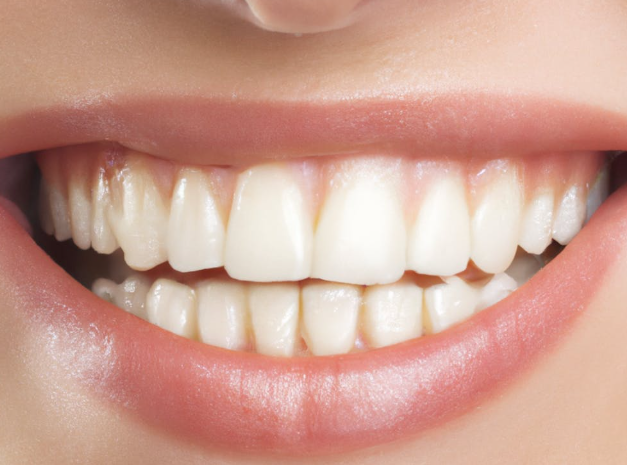
Home Teeth Whitening: Simple Tips for a Brighter Smile
A bright, confident smile is something many people want, and teeth whitening has become one of the most popular ways to improve the appearance of teeth. Over time, teeth can naturally become darker or stained due to everyday habits such as drinking coffee, tea, red wine, or consuming certain foods. Smoking, aging, and some medications can also contribute to changes in tooth color.
The good news is that there are several simple ways to support a brighter smile from home. From improving daily oral care habits to choosing safe whitening options, small changes can make a noticeable difference.
However, it is important to understand that healthy whitening is about more than simply making teeth look lighter. Protecting tooth enamel, maintaining good oral hygiene, and choosing methods that are safe for your teeth and gums are essential parts of achieving long-lasting results.
This guide explores simple home teeth whitening tips, explains what may help reduce stains, and shares practical ways to maintain a cleaner, brighter smile.
Important note: This article provides general information about oral care and is not a substitute for professional dental advice. If you have tooth pain, gum problems, cavities, or concerns about whitening treatments, consult a dental professional.
Why Teeth Become Stained Over Time
Teeth naturally change color as we age. The outer layer of the tooth, called enamel, can become thinner over time, allowing more of the naturally darker inner layer (dentin) to show through.
In addition to natural aging, several everyday habits can contribute to tooth discoloration.
Common causes of teeth stains include:
- Coffee and tea
- Red wine
- Dark-colored sauces and foods
- Smoking or tobacco use
- Poor oral hygiene
- Certain medications
- Natural aging
There are two main types of tooth stains:
Surface Stains
Surface stains develop on the outside of teeth. They are often caused by food, drinks, and lifestyle habits. These stains may respond well to regular brushing, professional cleaning, or whitening products.
Deep Tooth Discoloration
Some discoloration occurs inside the tooth. This type may be related to aging, injury, or medication exposure and may require professional treatments for noticeable improvement.
Understanding the cause of discoloration can help you choose the most appropriate approach.
1. Maintain a Consistent Brushing Routine
One of the simplest ways to support a brighter smile is regular brushing.
Brushing helps remove plaque, food particles, and surface stains that can make teeth appear dull.
For better results:
- Brush at least twice daily
- Use a soft-bristled toothbrush
- Brush gently to protect enamel
- Replace your toothbrush regularly
- Spend enough time cleaning all tooth surfaces
Brushing too aggressively does not whiten teeth faster. In fact, excessive pressure may damage enamel and increase sensitivity.
2. Use Whitening Toothpaste Carefully
Whitening toothpastes are designed to help remove surface stains through gentle polishing ingredients. Some may also contain ingredients that support stain removal.
When choosing a whitening toothpaste, look for products that are designed for daily use and have been tested for safety.
Keep in mind:
- Whitening toothpaste usually improves surface stains
- Results are typically gradual
- It does not change the natural color of teeth dramatically
For people with mild discoloration, a whitening toothpaste may be a convenient part of a daily oral care routine.
3. Consider Whitening Strips
Over-the-counter whitening strips are among the most popular home whitening products.
These strips usually contain peroxide-based whitening ingredients that help lighten stains on the teeth.
When using whitening strips:
- Follow the instructions carefully
- Do not use them longer or more often than recommended
- Avoid placing them on irritated gums
- Stop use if you experience significant discomfort
Some people experience temporary tooth sensitivity after whitening treatments. If sensitivity occurs, it may help to reduce frequency or speak with a dentist.
4. Keep Your Teeth Clean With Flossing
Flossing does not directly whiten teeth, but it can improve the appearance of your smile by removing buildup between teeth.
Plaque and food particles between teeth can make your smile look less bright.
Regular flossing may help:
- Prevent plaque buildup
- Support healthier gums
- Reduce the appearance of dark spaces between teeth
- Improve overall oral hygiene
A clean mouth naturally helps teeth look healthier.
5. Drink More Water
Water is one of the simplest beverages for maintaining oral health.
Drinking water after meals or staining beverages may help rinse away leftover food particles and reduce the time that staining substances remain on teeth.
Water also helps maintain saliva production. Saliva plays an important role in protecting teeth and keeping the mouth balanced.
A simple habit like drinking water throughout the day can support both oral health and overall wellness.
6. Limit Foods and Drinks That Cause Stains
You do not have to completely eliminate your favorite foods and drinks, but being mindful of staining habits can help maintain a brighter smile.
Common staining beverages include:
- Coffee
- Black tea
- Red wine
- Dark sodas
Foods that may stain teeth include:
- Berries
- Tomato-based sauces
- Soy sauce
- Certain spices
Helpful habits include:
- Rinsing your mouth with water after consuming staining foods
- Using a straw for some beverages
- Brushing at appropriate times
- Maintaining regular dental care
7. Avoid Smoking and Tobacco Products
Smoking and tobacco use are among the strongest contributors to tooth discoloration.
Tobacco can cause:
- Yellow or brown stains
- Increased plaque buildup
- Gum problems
- Bad breath
Quitting tobacco can improve not only the appearance of your smile but also your overall oral health.
8. Try Oil Pulling With Caution
Oil pulling is a traditional practice that involves swishing oil around the mouth for several minutes before spitting it out.
Some people use coconut oil for this practice, believing it helps improve oral cleanliness. While oil pulling may help reduce certain bacteria in the mouth, scientific evidence supporting significant teeth whitening effects is limited.
If you choose to try it:
- Do not replace brushing and flossing
- Avoid swallowing the oil
- Continue regular dental care
It should be viewed as an additional habit rather than a proven whitening treatment.
9. Be Careful With DIY Whitening Remedies
Many homemade whitening methods are shared online, but not all are safe.
Some popular DIY remedies may involve ingredients that can damage enamel or irritate gums when used incorrectly.
Examples of caution include:
- Abrasive substances that may wear down enamel
- Acidic ingredients that may weaken tooth surfaces
- Excessive scrubbing
Your tooth enamel does not grow back once damaged, so protecting it should always be a priority.
10. Schedule Regular Dental Cleanings
Professional dental cleanings can make a significant difference in the appearance of your smile.
Dentists and dental hygienists can remove hardened plaque and stains that regular brushing cannot eliminate.
Regular visits also allow dental professionals to identify problems such as:
- Cavities
- Gum disease
- Tooth sensitivity causes
- Other oral health concerns
A healthy smile is the foundation of a brighter smile.
Natural Ways to Support a Brighter Smile
While natural methods cannot dramatically change tooth color overnight, certain habits can help maintain cleaner-looking teeth.
Eat Crunchy Fruits and Vegetables
Foods such as apples, carrots, and celery contain water and fiber that may help clean the mouth naturally while chewing.
Choose Calcium-Rich Foods
Calcium supports strong teeth and bones. Good sources include:
- Milk
- Yogurt
- Cheese
- Fortified alternatives
Maintain Good Overall Nutrition
A balanced diet supports healthy gums and teeth, which contributes to a more attractive smile.
Common Teeth Whitening Mistakes to Avoid
Whitening Too Frequently
Using whitening products more often than recommended can increase sensitivity and irritation.
Ignoring Dental Problems
Whitening products should not be used to cover up untreated cavities, gum disease, or tooth damage.
Expecting Instant Results
Most whitening methods require consistency and time. Results vary depending on the type of stains and the individual.
Using Unsafe Ingredients
Natural does not always mean safe. Some DIY whitening methods can damage teeth if used incorrectly.
How Long Do Teeth Whitening Results Last?
The duration of whitening results depends on several factors, including:
- Diet
- Oral hygiene habits
- Tobacco use
- Type of whitening treatment
- Natural tooth color
Maintaining good habits can help extend results.
Helpful maintenance steps include:
- Brushing regularly
- Drinking water after staining foods
- Limiting stain-causing habits
- Following recommended whitening schedules
Frequently Asked Questions
Can I Whiten My Teeth Naturally at Home?
Some lifestyle habits can help reduce surface stains and improve the appearance of teeth, but dramatic whitening usually requires proven whitening products or professional treatments.
How Quickly Can I Get Whiter Teeth?
The timeline depends on the method used. Some products may show results within days or weeks, while others require longer use.
Are Home Whitening Products Safe?
Many over-the-counter whitening products are considered safe when used according to instructions. People with dental concerns should consult a dentist before whitening.
Why Are My Teeth Sensitive After Whitening?
Sensitivity can happen because whitening ingredients may temporarily affect the tooth surface. Reducing use frequency or using products designed for sensitive teeth may help.
Does Whitening Damage Tooth Enamel?
When used correctly, approved whitening products are generally designed to be safe. Overuse or improper DIY methods may increase the risk of enamel damage.
Final Thoughts
A brighter smile does not require complicated routines. Simple habits like brushing consistently, flossing, drinking water, avoiding excessive staining foods, and choosing safe whitening methods can help improve the appearance of your teeth over time.
The best approach to teeth whitening is one that balances appearance with oral health. Protecting your enamel, caring for your gums, and maintaining regular dental visits are just as important as achieving a whiter smile.
With patience and the right habits, you can support a cleaner, healthier, and more confident smile from the comfort of your own home.